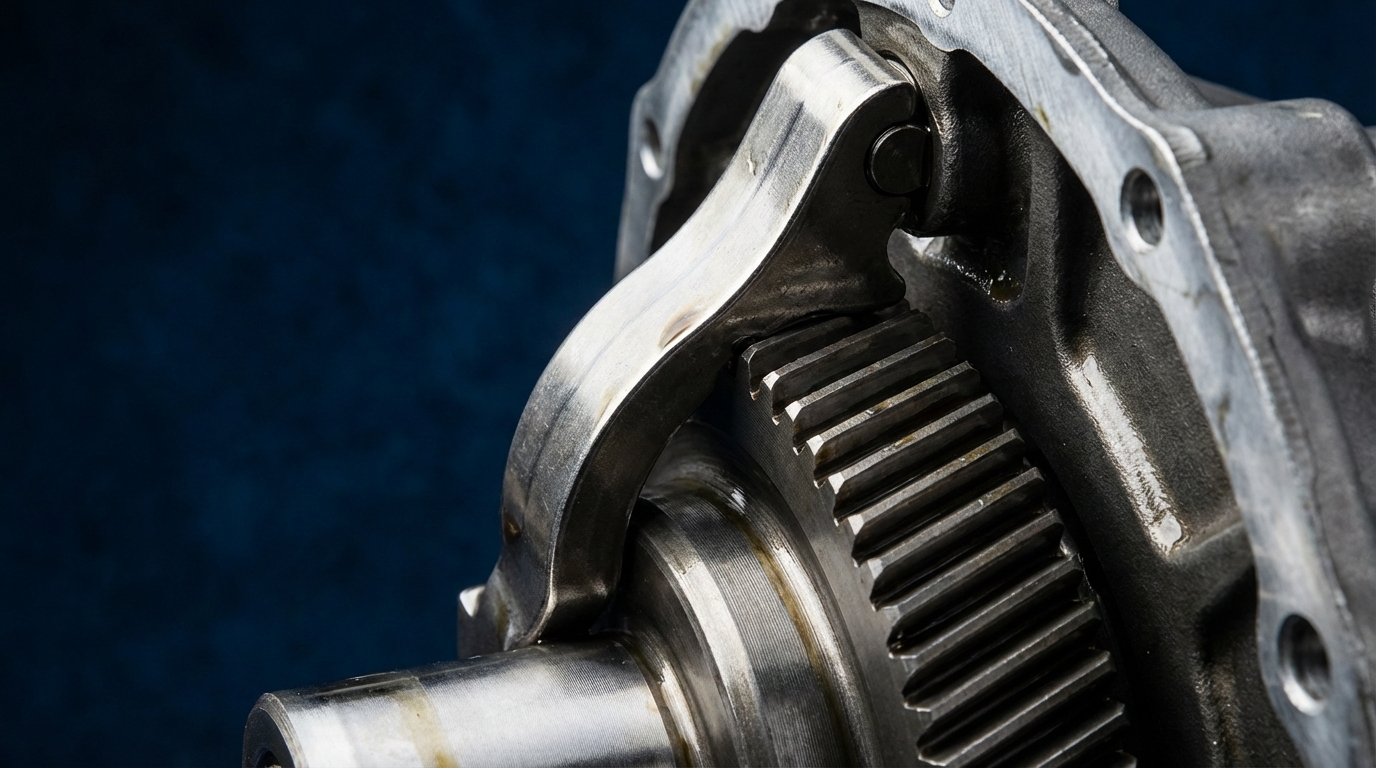
P0715 means your transmission's input speed sensor isn't sending a valid signal. Learn what triggers this code, how it affects shifting and fuel economy, and what Chicago drivers should expect for dia
What Does the P0715 Code Mean?
P0715 is a generic OBD-II powertrain diagnostic trouble code that stands for "Input/Turbine Speed Sensor A Circuit Malfunction." It is stored by the Powertrain Control Module (PCM) or Transmission Control Module (TCM) when the signal from the transmission's input speed sensor - also called the turbine speed sensor - is missing, erratic, or outside the expected range. The computer compares the reading from this sensor against engine RPM, throttle position, vehicle speed, and the output speed sensor to calculate whether the transmission is in the correct gear and whether shifts are occurring at the right time. When the input speed signal does not match what the computer expects based on those other inputs, P0715 is set and the Check Engine Light illuminates.
The input speed sensor is one of the most important sensors in any electronically controlled automatic transmission. Without a reliable signal from it, the TCM cannot accurately time shifts, control torque-converter lockup, detect slippage, or manage line pressure. The result is a transmission that shifts harshly, shifts late, refuses to shift at all, or drops into limp mode to protect itself from damage.
If you are a Chicago-area driver who just had this code pulled at a shop on Pulaski, scanned at an auto-parts store in Naperville, or read it yourself with a handheld scanner after your transmission started acting up on the Stevenson Expressway, this article will explain exactly what is happening, what caused it, what it will cost to repair, and how to prevent it from happening again.
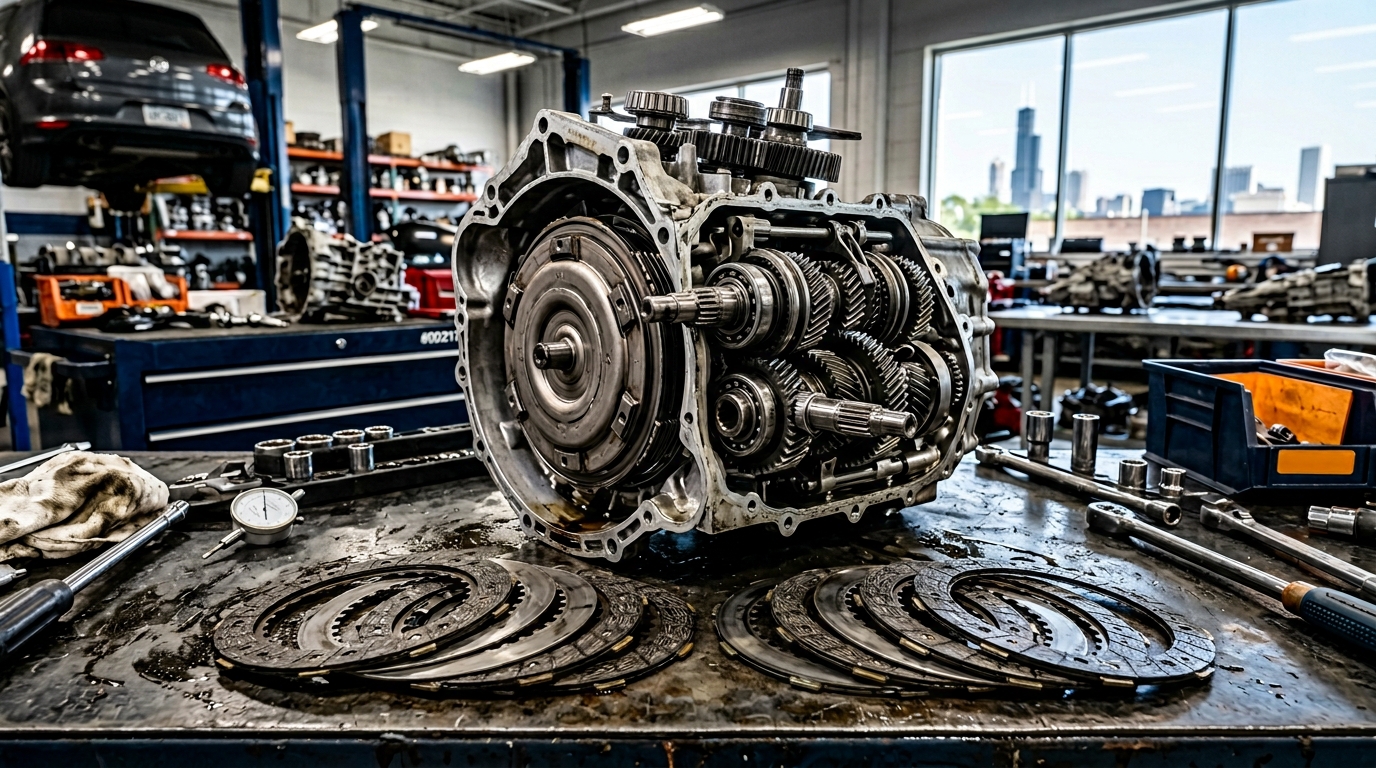
The P0715 Code Family: P0716, P0717, P0718, and P0719
P0715 is part of a family of codes that all relate to the input/turbine speed sensor A circuit. Understanding the full family helps a technician narrow down the root cause more efficiently.
P0715 is the general circuit malfunction code. It tells the technician that something is wrong with the sensor circuit but does not specify whether the fault is a performance issue, a missing signal, or an intermittent glitch. P0716 stands for Input/Turbine Speed Sensor A Circuit Range/Performance, meaning the sensor is producing a signal but that signal falls outside the normal operating range - it may be reading too high, too low, or fluctuating in a pattern that does not correspond to actual shaft speed. This code often points to a sensor that is beginning to fail mechanically or a reluctor ring that has lost teeth or accumulated debris. P0717 stands for Input/Turbine Speed Sensor A Circuit No Signal, which is the most definitive code in the family: the TCM is receiving zero signal from the sensor. This usually indicates a completely failed sensor, a severed wire, or a connector that has lost contact entirely. P0718 indicates the signal is intermittent - present sometimes and absent or erratic at other times - and is frequently the earliest code in the progression, appearing weeks or months before a hard failure triggers P0715 or P0717. P0719, where supported, indicates a high-input condition from the sensor circuit.
When P0715 appears by itself, the technician must determine which specific failure mode is present. When it appears alongside P0717, the diagnosis points strongly toward a dead sensor or open circuit. When it appears with P0716 or P0718, the problem is more likely a deteriorating sensor, a damaged reluctor ring, or an intermittent wiring fault. And when P0715 shows up together with P0720 (Output Speed Sensor Circuit Malfunction), the root cause may be shared - contaminated fluid affecting both sensors, a common ground fault, or an internal transmission issue that has damaged multiple components.
How the Input/Turbine Speed Sensor Works
To understand why P0715 matters and why it causes the symptoms it does, it helps to know what the input speed sensor actually measures and how it does it.
Inside an automatic transmission, the torque converter sits between the engine and the transmission's gear sets. The torque converter has three main components: the impeller, which is bolted to the engine's flex plate and always spins at engine speed; the turbine, which sits opposite the impeller inside the converter housing and is splined to the transmission's input shaft (also called the turbine shaft); and the stator, which sits between the two and redirects fluid flow to multiply torque. When the transmission is in gear and the vehicle is moving, the impeller throws transmission fluid against the turbine's vanes, which causes the turbine and the input shaft to spin. The speed at which the turbine shaft spins is what the input speed sensor measures.
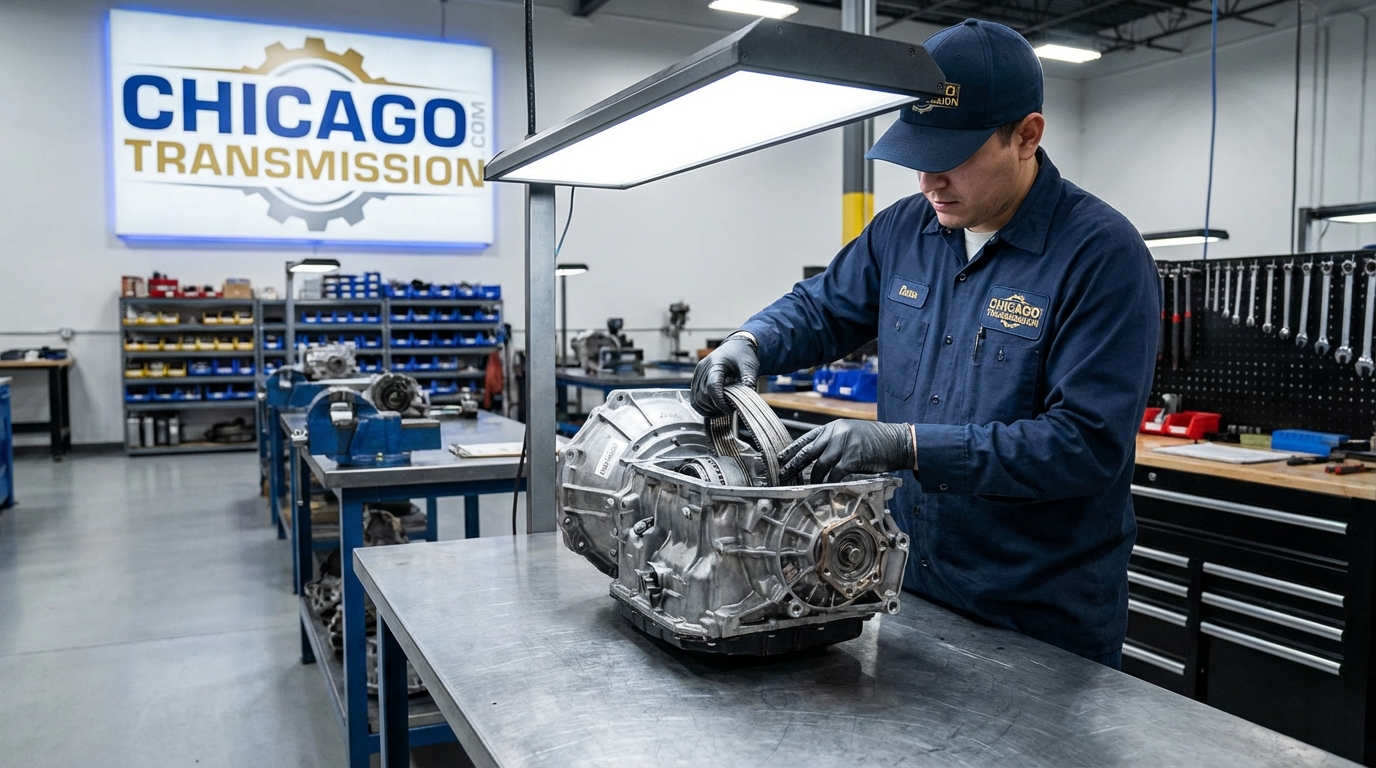
The sensor itself is typically a magnetic pickup or a Hall-effect device mounted on the outside of the transmission case, positioned so that its tip is within a few millimeters of a toothed reluctor ring pressed onto or machined into the input shaft. As the shaft spins, each tooth passes the sensor and generates a voltage pulse. The frequency of those pulses is directly proportional to shaft speed - more teeth passing per second means higher RPM. The TCM reads this pulse frequency and converts it into a turbine-shaft RPM value that it uses for several critical functions.
The first function is shift timing. The TCM compares input shaft speed to output shaft speed to determine the current gear ratio, and it compares input shaft speed to engine RPM to determine torque-converter slip. These calculations tell the TCM when to command the next upshift or downshift. Without accurate input speed data, shift timing becomes erratic or ceases altogether.
The second function is torque-converter clutch control. The TCC lockup clutch eliminates slip between the impeller and turbine at highway speeds to improve fuel economy. The TCM monitors the difference between engine RPM and turbine shaft RPM to determine when to engage and disengage the lockup clutch and to verify that it is working. A missing or erratic input speed signal prevents the TCM from managing lockup, which costs fuel economy and can lead to overheating.
The third function is slip detection. If the input shaft is spinning significantly faster or slower than the gear ratio and vehicle speed would suggest, the transmission is slipping - clutch packs or bands are not holding properly. The input speed sensor provides one half of the data the TCM needs to detect this condition and protect the transmission by adjusting line pressure or commanding limp mode.
For Chicago drivers, all three of these functions matter enormously. Proper shift timing keeps you moving efficiently through stop-and-go traffic on the Dan Ryan. Torque-converter lockup saves fuel on long expressway commutes from the suburbs into the Loop. And slip detection protects a transmission that is already working hard in a city full of potholes, temperature extremes, and road-salt corrosion.
Common Causes of P0715
The root causes of P0715 span several categories, from simple and inexpensive to complex and costly.
Faulty input/turbine speed sensor is the most straightforward cause. The sensor is an electromagnetic device exposed to heat, vibration, and transmission fluid for tens of thousands of miles. Over time, the internal coil can develop an open circuit or a short, the magnetic element can weaken, or the sensor housing can crack and allow fluid intrusion into the electrical portion. Once the sensor can no longer generate a clean, consistent pulse train, the TCM flags P0715. Sensor failure is especially common on high-mileage vehicles - those above 100,000 to 150,000 miles - where the cumulative exposure to heat and vibration has degraded the component.
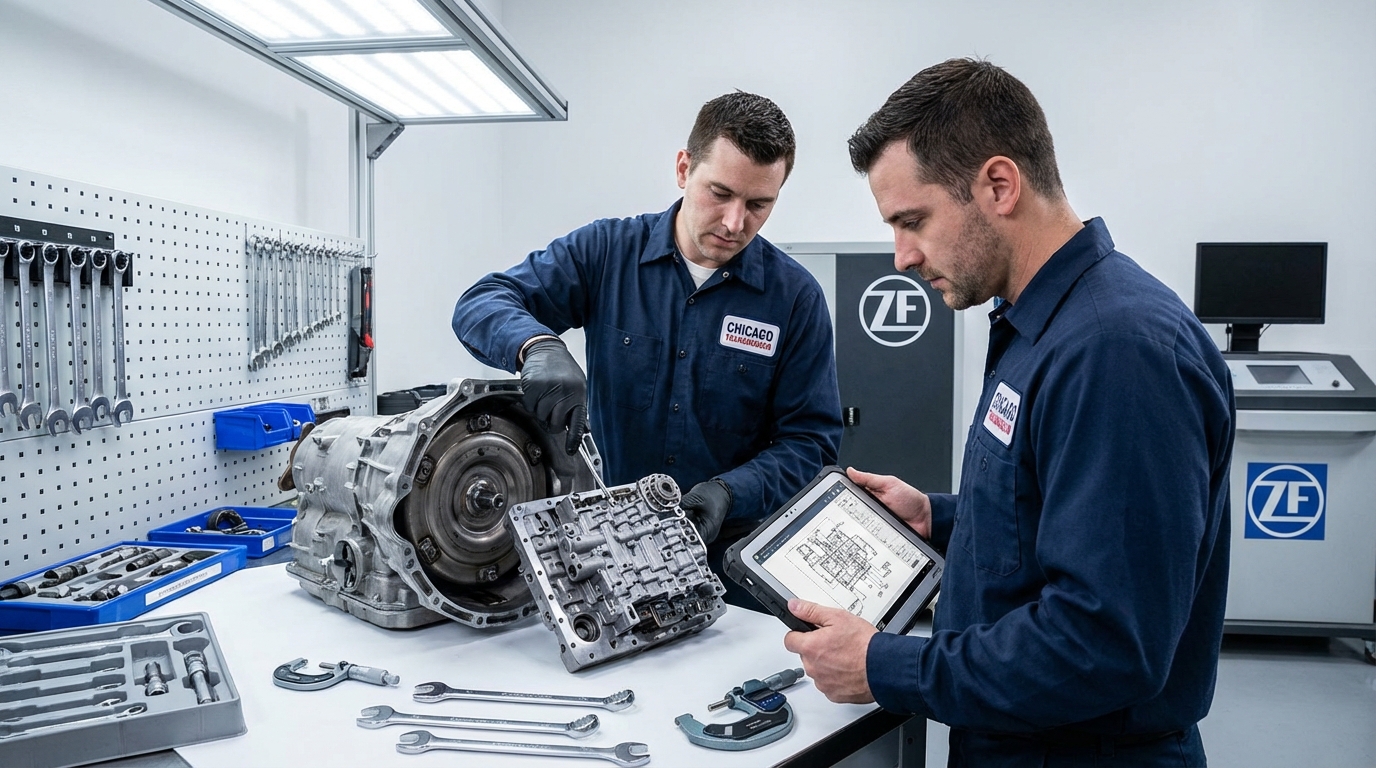
Damaged or corroded wiring and connectors are particularly prevalent in the Chicago area. The sensor's signal wire carries a low-voltage, high-frequency pulse that is sensitive to resistance changes. Even a small amount of corrosion on a connector pin or a partially broken wire strand can introduce enough resistance to distort the signal beyond the TCM's acceptance threshold. Chicago's road-salt season, which runs roughly from November through March, coats the underside of every vehicle with a corrosive brine that attacks exposed wiring harnesses and connectors. The external transmission connector - where the internal harness meets the chassis harness - is a frequent failure point because it sits low on the transmission and is directly in the spray path of salt-laden road water.
Damaged or contaminated reluctor ring is another common cause. The reluctor ring is the toothed wheel that the sensor reads. If a tooth breaks off, the sensor will produce an irregular pulse pattern that the TCM interprets as a malfunction. Metal debris from worn clutch packs or bearings can accumulate on the sensor's magnetic tip or on the reluctor ring, filling in the gaps between teeth and preventing the sensor from generating distinct pulses. This cause is more likely in transmissions with high mileage or a history of deferred fluid maintenance.
Low or contaminated transmission fluid can contribute to P0715 in several ways. Low fluid level may expose the sensor to air instead of the fluid environment it was designed to operate in, altering its thermal characteristics and potentially affecting the reluctor ring's ability to spin freely. Contaminated fluid carries metallic particles that accumulate on the sensor's magnetic tip, and severely degraded fluid may not adequately lubricate the bearings that support the input shaft, introducing wobble or vibration that distorts the sensor signal.
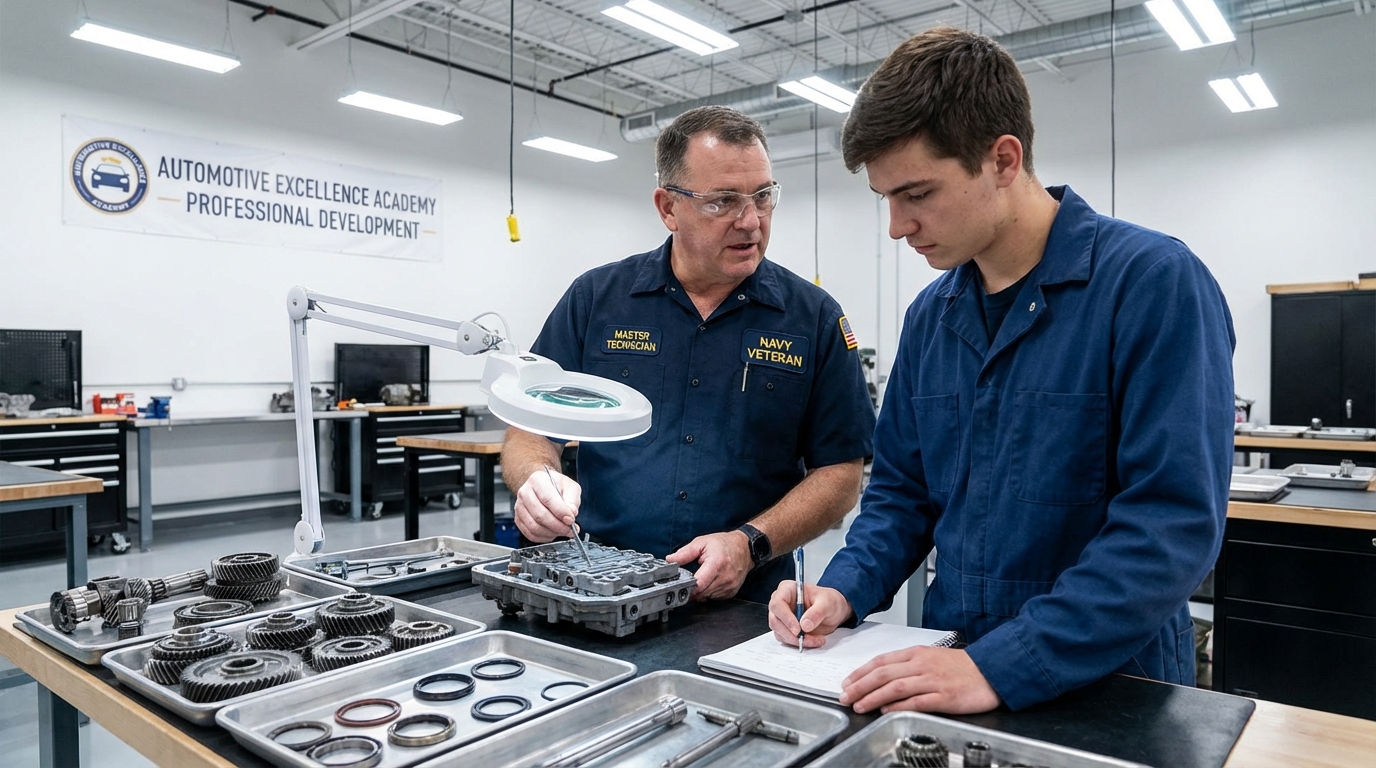
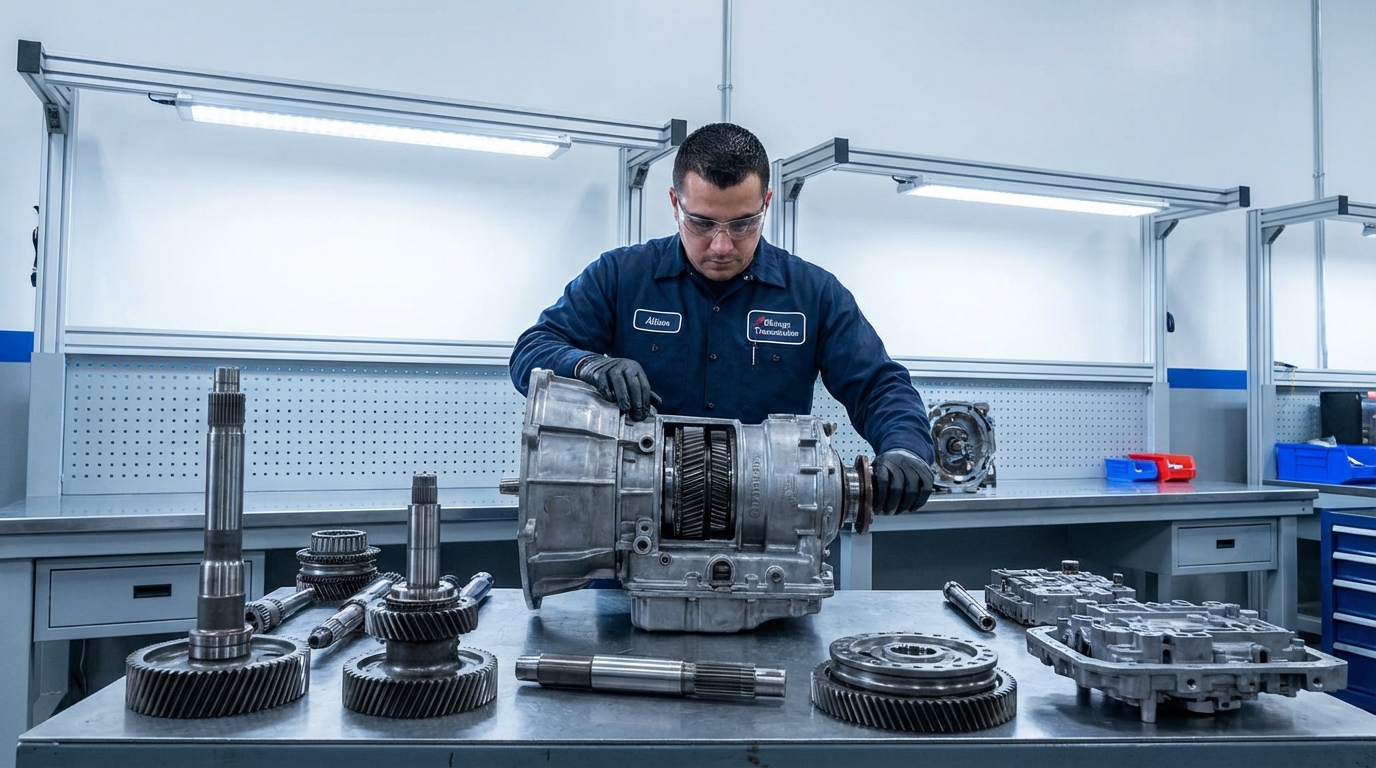
Internal transmission mechanical failure is the most serious potential cause. A failing torque converter, worn bearings on the input shaft, or a damaged reluctor ring that has shifted on the shaft can all produce abnormal speed readings that trigger P0715. These causes are less common but significantly more expensive to repair.
TCM or PCM failure is rare but possible, particularly when the sensor, wiring, and reluctor ring all test within specification. A failing TCM may not be able to properly process the sensor's signal due to internal circuit damage, corrupted software, or a failed input-conditioning circuit. This cause is suggested when multiple sensor codes appear simultaneously with no physical explanation.
Symptoms Chicago Drivers Will Notice

The symptoms of P0715 range from mildly annoying to genuinely dangerous, depending on how the TCM responds to the loss of input speed data.
The most common symptom is harsh, delayed, or missed shifts. Without knowing how fast the input shaft is spinning, the TCM cannot calculate the optimal moment to command a gear change. Upshifts may occur too late, causing the engine to rev higher than normal and wasting fuel. Downshifts may be harsh or jarring, producing a noticeable thud that you feel through the steering wheel and seat. In some cases, the transmission may skip a gear entirely or refuse to shift out of a particular gear. If you are merging onto the Kennedy Expressway and your transmission will not upshift past second gear, you will feel the engine straining at high RPM while traffic flows around you at highway speed - an uncomfortable and potentially hazardous situation.
Limp mode is the next most common symptom. When the TCM loses the input speed signal entirely, many vehicles default to a protective strategy that locks the transmission in second or third gear. This limits vehicle speed to approximately 25 to 40 miles per hour and prevents any further gear changes. The purpose is to allow you to drive to a repair facility without risking catastrophic transmission damage, but in practice it means you are limited to surface streets. If limp mode activates while you are on the Eisenhower or the Tri-State Tollway, you will need to carefully exit at the nearest ramp and either drive slowly to a nearby shop or call for a tow.
Torque-converter shudder or failure to lock up is a subtler symptom. If the TCM cannot read input shaft speed, it cannot verify torque-converter clutch engagement and will typically disable the lockup function as a precaution. The result is a 5 to 15 percent decrease in highway fuel economy - the engine spins at higher RPM than necessary because the converter is slipping instead of locked. For a Chicago commuter driving 50 miles round trip daily, that can mean noticeably higher monthly fuel costs until the cause is repaired.
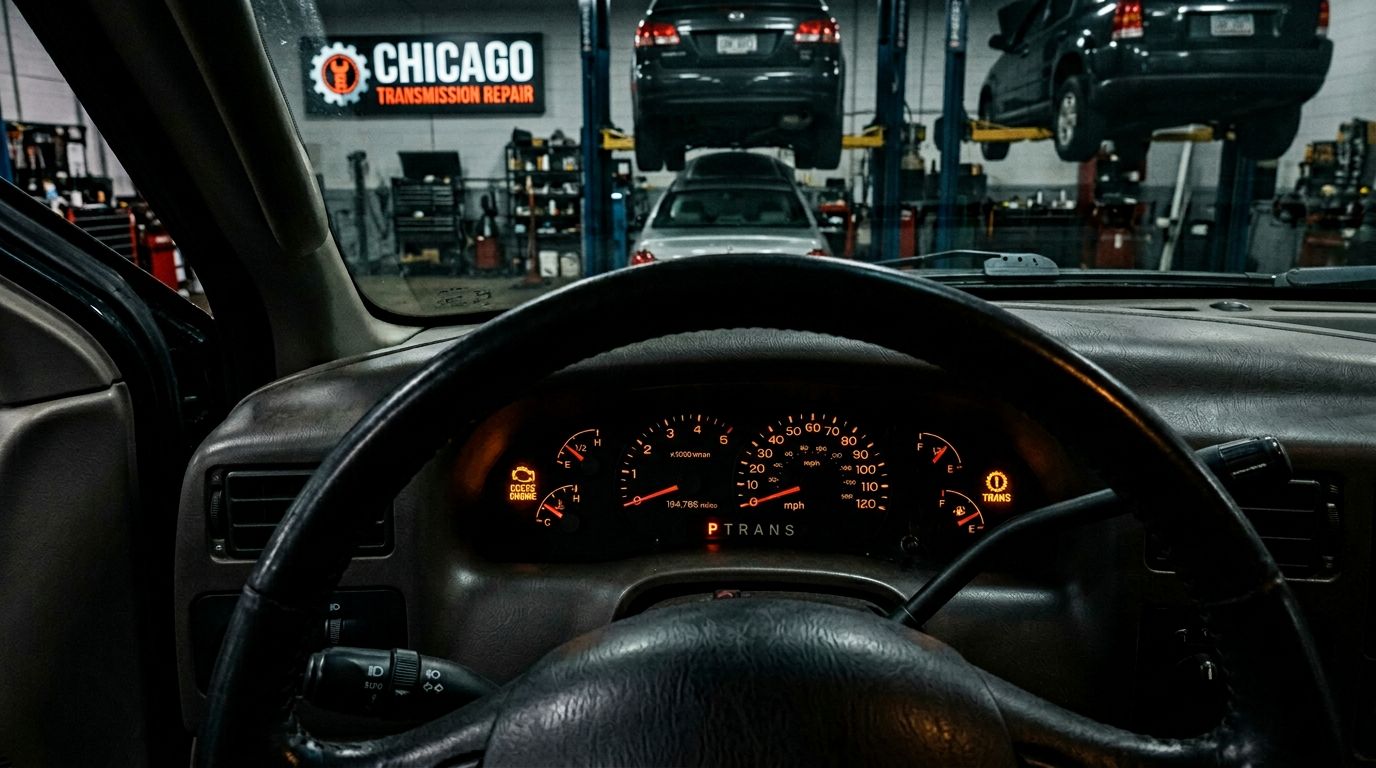
A Check Engine Light is always present with P0715. In most vehicles, P0700 - the master transmission fault code - will also be stored, since P0715 is a transmission-related fault that the TCM reports to the PCM. A transmission warning light or a "Service Transmission" message may also appear on the instrument cluster, depending on the vehicle.

Speedometer or odometer irregularities can occur in some vehicles, particularly older models where the input speed sensor signal feeds both the transmission computer and the instrument cluster. If the speedometer reads zero or fluctuates erratically while driving, the input speed sensor circuit is a likely suspect.
Can You Drive With P0715?
The answer depends on the specific symptoms your vehicle is displaying. If the Check Engine Light is on but the transmission still shifts through all gears without harshness, slipping, or delay, you can drive carefully to a repair shop. Avoid aggressive acceleration and plan the shortest route.
If the transmission is in limp mode, driving is possible but should be limited to surface streets at low speed. Use your hazard lights if you are significantly slower than surrounding traffic, and do not attempt to enter any expressway. If the shop is more than a few miles away, a tow is the better option - not because the vehicle will explode, but because every mile in limp mode generates excess heat that accelerates fluid degradation and internal wear.
If the transmission is not shifting at all, is making grinding or whining noises, or is slipping badly, do not drive the vehicle. Have it towed. A flatbed tow within Chicago is usually minor compared with the cost of preventable internal transmission damage.

How P0715 Is Diagnosed
Proper diagnosis of P0715 follows a logical sequence that eliminates possibilities from simplest to most complex.
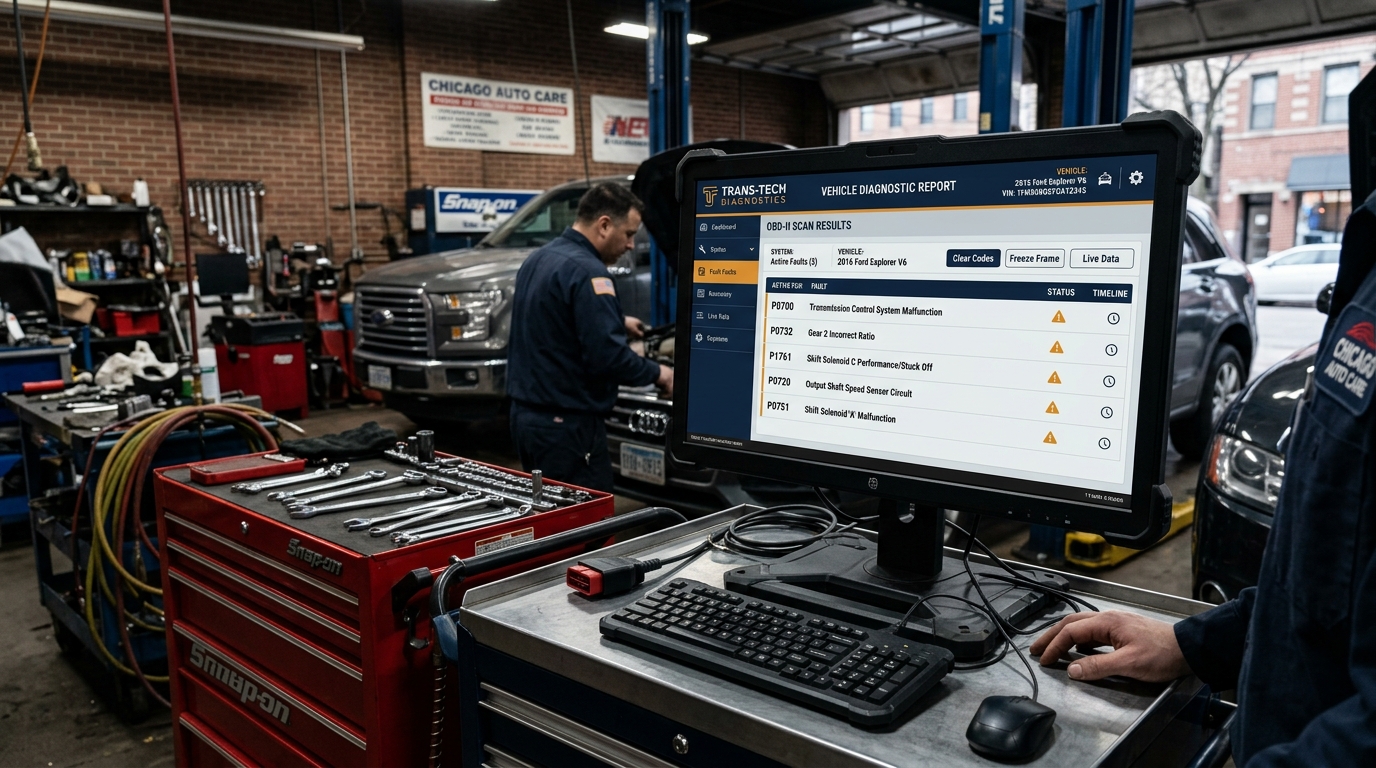
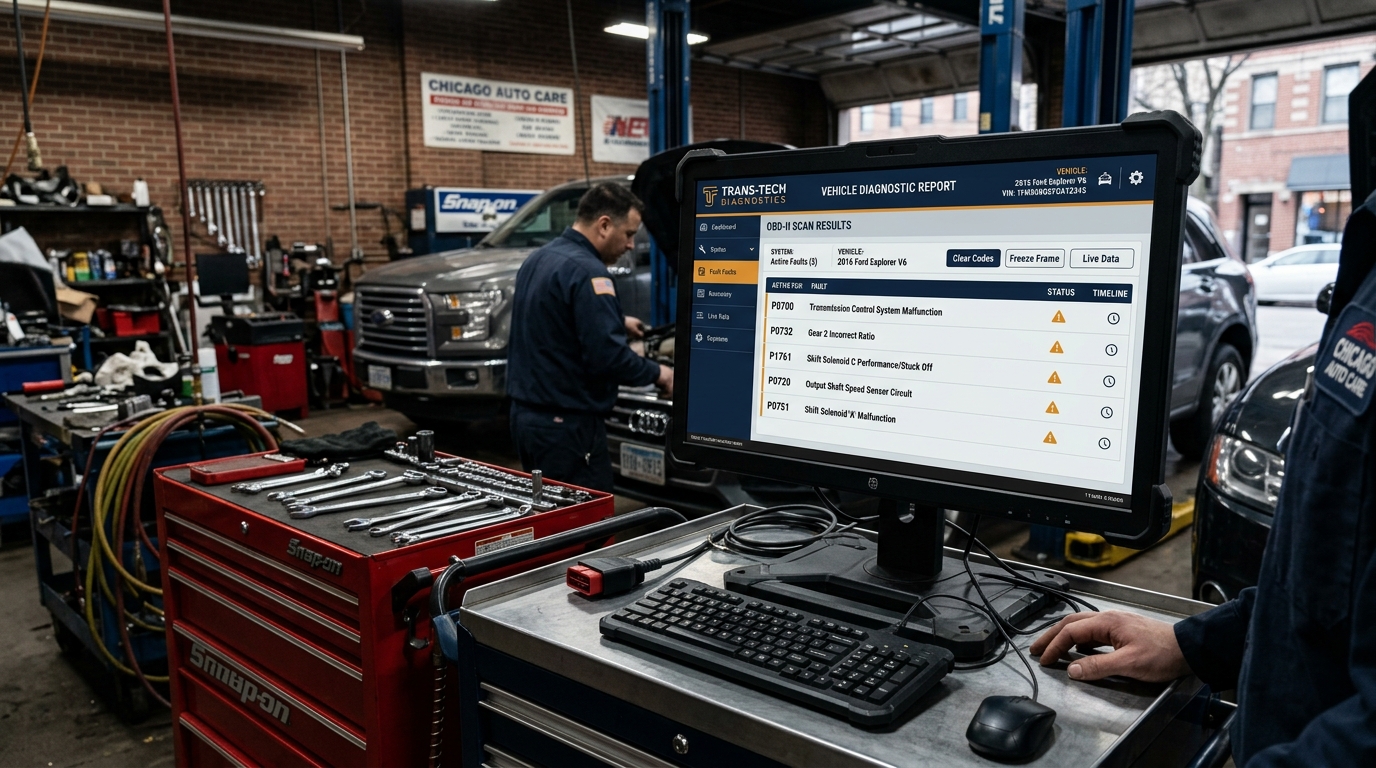
The first step is a comprehensive code scan using a professional-grade scanner that can read TCM-specific codes, freeze-frame data, and pending codes. The freeze-frame data captures the exact conditions - vehicle speed, engine RPM, transmission temperature, throttle position, gear commanded - at the moment the code set. This snapshot helps the technician understand whether the failure occurred at idle, during acceleration, at highway cruise, or during a specific shift event. Related codes such as P0700, P0716, P0717, P0720, or shift-solenoid codes are noted, as they can redirect the diagnosis.
Next, the technician connects to the live data stream and monitors the input/turbine speed sensor reading while the engine is running and the vehicle is driven (or placed on a lift with the wheels free to spin). A healthy sensor produces a smooth, proportional RPM reading that increases with vehicle speed and fluctuates predictably during gear changes. A reading that is stuck at zero indicates a dead sensor or open circuit. A reading that jumps erratically suggests an intermittent connection, a damaged reluctor ring, or metallic debris on the sensor tip. A reading that is consistently offset from the expected value (based on engine RPM and the known gear ratio) suggests a range/performance issue.
Transmission fluid is inspected for level, color, smell, and contamination. Low fluid can deprive the sensor of its normal operating environment and introduce air into the transmission. Dark, burnt, or metallic-flecked fluid indicates degradation and potential debris contamination of the sensor. Milky fluid suggests coolant intrusion from a failed transmission cooler, which is a separate but serious problem.

If the live data confirms an absent or erratic signal, the technician performs electrical testing. The sensor is disconnected and its coil resistance is measured with a multimeter. Most input speed sensors have a resistance specification between 500 and 1,200 ohms, though this varies by manufacturer. A reading outside the specified range - either infinite (open circuit) or very low (short) - confirms a failed sensor. The wiring harness is tested for continuity from the sensor connector to the TCM connector, and supply voltage (typically 5 or 12 volts depending on sensor type) and ground are verified at the sensor connector with the ignition on.
If the sensor and wiring test within specification, the technician examines the reluctor ring. This may require removing the transmission pan or, in some cases, the valve body to gain visual access. Missing teeth, cracks, a loose fit on the shaft, or heavy metallic contamination are all findings that explain a P0715 code despite a healthy sensor and wiring.
When all physical components test normal, the TCM itself becomes the suspect. The technician may attempt a software reflash to the latest OEM calibration, and if that does not resolve the code, the TCM's internal input-conditioning circuit is likely failed, requiring module replacement.
Repair Cost Ranges
The cost to resolve P0715 varies significantly depending on the root cause and where in the Chicago area you have the work done. Dealership labor rates in downtown Chicago and affluent suburbs like Hinsdale, Lake Forest, and Winnetka are usually higher. Independent transmission shops in neighborhoods like Bridgeport, Cicero, Berwyn, and the far South Side typically quote the job after scan data and access requirements are confirmed.
An input/turbine speed sensor replacement is the most common repair. The sensor itself depending on whether you choose aftermarket or OEM, and labor depending on sensor accessibility. On many vehicles - particularly GM trucks with the 4L60E or 4L80E - the sensor is externally mounted on the transmission case and can be swapped in under an hour. On others, accessing the sensor requires dropping the transmission pan or removing the valve body, which increases labor time to 1.5 to 3 hours. All-in, expect for a straightforward sensor replacement.
Wiring and connector repair is often the most affordable path when the external transmission connector is corroded from road-salt exposure. Cleaning the pins and applying dielectric grease may be simple; an internal harness repair involves more extensive labor and should be quoted after inspection.
Reluctor ring replacement is less common but more labor-intensive, as it requires at minimum removing the transmission pan and valve body, and in some cases partial disassembly of the transmission. Expect depending on the vehicle and the extent of disassembly required.

A transmission fluid and filter service, which may resolve P0715 if metallic contamination on the sensor tip is the cause, and is often recommended as a first step when the fluid is dark or has not been changed within the manufacturer's interval.
TCM reprogramming for the software flash alone. If the TCM hardware has failed, a VIN-matched replacement unit including labor and programming.
If P0715 is a symptom of broader internal transmission damage - failed bearings, a damaged torque converter, or worn clutch packs - the repair can escalate to a full transmission rebuild or a used/remanufactured transmission replacement. That decision should be quoted after diagnosis, teardown findings, and parts availability are known.
Vehicles Commonly Affected by P0715
While P0715 can appear on any vehicle with an electronically controlled automatic transmission, certain platforms see it more frequently.
General Motors trucks and SUVs with the 4L60E, 4L80E, and 6L80 transmissions - including the Chevrolet Silverado, Tahoe, Suburban, and GMC Sierra and Yukon - are among the most common. The input speed sensor on these transmissions is externally mounted and relatively easy to replace, but the sensor is also exposed to road spray and temperature extremes, which accelerates failure. GM issued a technical service bulletin (PI1393B) addressing torque-converter and sensor-related issues on 2015-model-year trucks with the 6L80 and 6L90 transmissions.
Ford vehicles with the 5R55 and 6R80 transmissions, including the F-150, Explorer, and Edge, are also frequent P0715 candidates. Ford's own diagnostic procedure for P0715 on the 2015 F-150 3.5L V6 recommends checking for the companion code P0717 first and running a specific pinpoint test if P0715 persists after clearing P0717.
Honda and Acura vehicles - particularly the Accord, Civic, Odyssey, and TL - develop speed-sensor issues at higher mileages, often above 120,000 miles. Honda transmissions are sensitive to fluid condition, and many P0715 cases in these vehicles are linked to deferred fluid maintenance.
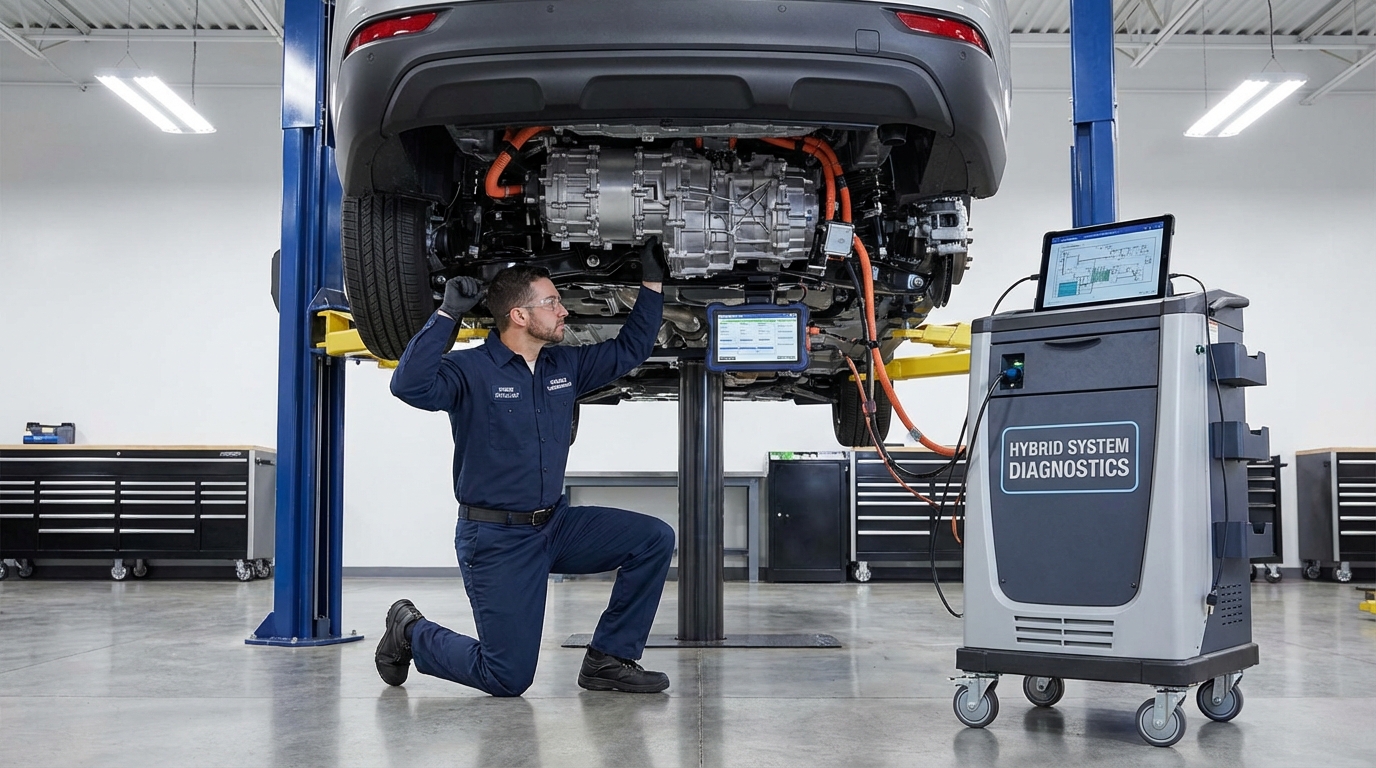
Chrysler, Dodge, and Jeep vehicles with the 41TE and 62TE transmissions, as well as Mercedes-Benz vehicles with the 722.6 (5-speed) and 722.9 (7-speed) transmissions, round out the list. The Mercedes 722.6 is particularly notable because the input speed sensor on this transmission is integrated into the valve body's conductor plate, making replacement more labor-intensive and expensive - often for the conductor plate alone, plus labor.
How Chicago's Driving Conditions Contribute to P0715
Chicago's driving environment accelerates the conditions that lead to input speed sensor failure in several distinct ways.
Temperature extremes are the most significant factor. The input speed sensor operates inside a transmission that can see fluid temperatures ranging from well below freezing on a January morning in Rogers Park to over 250 degrees Fahrenheit during a summer traffic jam on the Dan Ryan. This thermal cycling - expanding and contracting hundreds of times per year - stresses the sensor's housing, seals, and internal wiring. Over 80,000 to 120,000 miles, these micro-stresses accumulate and can crack the sensor housing or fatigue the coil windings.
Road salt creates a secondary but equally damaging assault on the sensor circuit's external components. The transmission connector, the chassis-side wiring harness, and any ground connections on the transmission case are all exposed to salt spray from November through March. Corrosion builds up invisibly inside connectors and under wire insulation, introducing resistance that degrades the sensor signal long before a visible green crust appears on the outside. By the time a Chicago driver notices shifting problems the following summer, the corrosion may have been developing for months.
Potholes and rough roads introduce mechanical shock to the sensor and its mounting. A hard impact can crack the sensor housing, jar the reluctor ring, or stress the wiring harness at a connector or clamp point. Chicago's streets - particularly secondary roads on the South and West sides that see heavy truck traffic - are notorious for creating the kind of jolts that damage sensitive transmission components.
Stop-and-go traffic increases the number of shift cycles the transmission performs per mile, which means the input speed sensor processes more data and the TCM queries it more frequently than in a vehicle driven primarily on open highways. This higher duty cycle does not wear out the sensor directly, but it does mean that any intermittent fault - a cracked reluctor tooth, a marginal connection - is more likely to trigger a code sooner, because the TCM has more opportunities to detect the anomaly.
Prevention Tips for Chicago Drivers
Preventing P0715 comes down to maintaining the conditions that allow the sensor and its circuit to function reliably.
Change your transmission fluid every 30,000 miles under Chicago driving conditions. Fresh fluid prevents the metallic particle buildup that contaminates sensor tips and reluctor rings, maintains proper lubrication for the bearings that support the input shaft, and keeps the fluid's viscosity within the range the sensor was designed to operate in. Use the exact ATF specification listed in your owner's manual - incorrect fluid type can alter the electromagnetic properties of the environment around the sensor and cause erratic readings.
Inspect the external transmission connector at least once a year, ideally after the salt season ends in spring. Pull the connector apart, look for green or white corrosion on the pins, clean any contamination with electrical contact cleaner, and apply a thin coat of dielectric grease before reassembling. This five-minute inspection can prevent a larger wiring repair down the road.
Address Check Engine Lights promptly. P0718 (intermittent input speed sensor signal) is often the first code in the progression toward P0715 or P0717. Catching the problem at the intermittent stage may mean the sensor is still functional but the connection is marginal - a wiring repair or connector cleaning at this stage costs a fraction of what a full sensor replacement and fluid service will cost after the sensor fails completely and contaminates the fluid with debris.
Avoid aggressive cold-start driving in winter. When the transmission fluid is cold and thick, the input shaft spins against greater resistance, and the sensor must generate its signal through a denser medium. Giving the transmission 30 to 60 seconds to circulate fluid before driving aggressively reduces thermal shock to the sensor and gives the fluid time to reach a viscosity where the system operates within its design parameters.
Frequently Asked Questions
What does P0715 mean in plain language?
P0715 means the computer that controls your transmission is not receiving a usable signal from the sensor that measures how fast the transmission's input shaft is spinning. Without this information, the transmission cannot shift correctly.
Is P0715 serious?
Yes. RepairPal rates it as "Urgent." While the vehicle may still be drivable in some cases, the inability to shift properly can leave you stuck in one gear, reduce your speed to 25 to 40 miles per hour in limp mode, or cause harsh shifts that accelerate internal transmission wear.
How much does it cost to fix P0715?
The most common repair is sensor replacement after testing confirms the signal fault. Wiring repairs are also common on salt-exposed vehicles. If the reluctor ring, valve body, or TCM is involved, the job becomes more involved. A full transmission rebuild is only relevant if internal damage has occurred.
Can dirty transmission fluid cause P0715?
Yes. Metallic particles in degraded fluid can accumulate on the sensor's magnetic tip and interfere with its ability to read the reluctor ring. In some cases, a fluid and filter service resolves the code without replacing the sensor.
What is the difference between P0715 and P0720?
P0715 relates to the input/turbine speed sensor, which measures the speed of the transmission's input shaft. P0720 relates to the output speed sensor, which measures the speed of the transmission's output shaft. Together, these two sensors allow the TCM to calculate the current gear ratio. When both codes appear simultaneously, the root cause is often shared - contaminated fluid, a common wiring fault, or an internal transmission issue.
What is the difference between P0715 and P0717?
P0715 is the general circuit-malfunction code - something is wrong with the signal but the specific failure mode is not defined. P0717 specifically indicates that no signal is being received at all, pointing strongly toward a dead sensor, a severed wire, or a completely disconnected connector.
Can I clear P0715 and see if it comes back?
Clearing the code is a useful diagnostic step - if the code does not return after several drive cycles, the fault may have been intermittent or related to a temporary condition (such as extremely cold fluid at startup). If the code returns within one to three drive cycles, the fault is persistent and requires physical repair.
Which vehicles are most prone to P0715?
GM trucks and SUVs with the 4L60E, 4L80E, and 6L80 transmissions; Ford F-150s and Explorers with the 5R55 and 6R80; Honda Accords and Civics at higher mileages; Chrysler and Dodge vehicles with the 41TE and 62TE; and Mercedes-Benz vehicles with the 722.6 transmission are among the most commonly affected.
Should I go to a dealership or an independent shop?
Either can handle P0715 competently. Independent transmission specialists in the Chicago area often have deeper transmission-specific diagnostic experience and may be less expensive than a dealership. The critical requirement is that the shop uses a professional scanner capable of reading TCM codes and streaming live input-speed data - a basic code reader is not sufficient for this diagnosis.
1. P0700 - Transmission Control System Malfunction
2. P0730 - Incorrect Gear Ratio
3. P0740 - Torque Converter Clutch Circuit Malfunction
4. P0741 - Torque Converter Clutch Circuit Performance / Stuck Off
5. P0750 - Shift Solenoid A Malfunction
6. P0755 - Shift Solenoid B Malfunction
7. P0715 - Input/Turbine Speed Sensor Circuit Malfunction (just completed)
Have a Transmission Problem?
Get a Diagnosis-first inspection from Chicago transmission repair support.