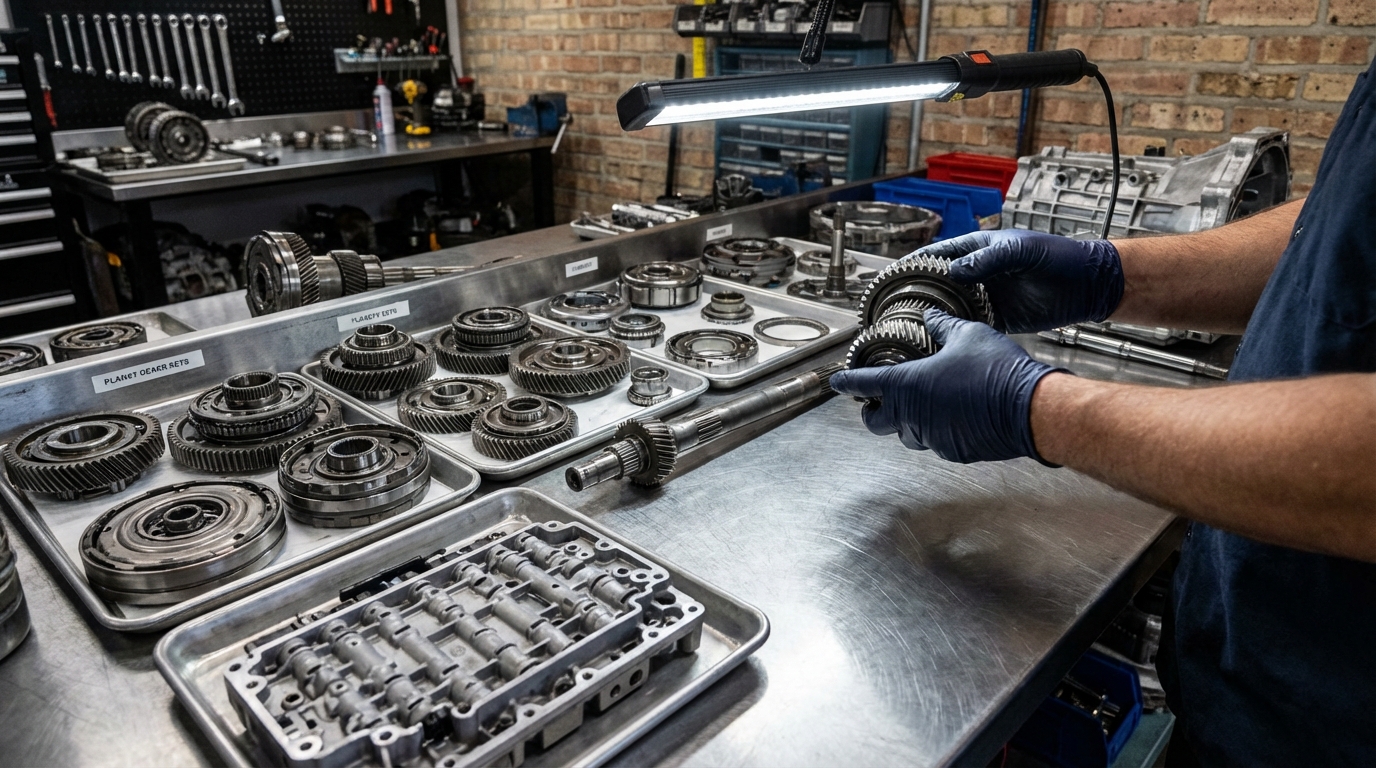
P0731 means your transmission is slipping in first gear. Learn causes (torque converter failure, solenoid faults, worn clutch packs), diagnosis steps, and Chicago-area repair costs quoted after diagnosis.
What Does the P0731 Code Mean?
P0731 is a generic OBD-II diagnostic trouble code defined as "Gear 1 Incorrect Ratio." It is stored when the Transmission Control Module (TCM) or Powertrain Control Module (PCM) detects that the relationship between the input (turbine) shaft speed and the output shaft speed does not match the manufacturer's programmed ratio for first gear. In plain language, the computer has commanded the transmission into first gear, but the wheels are not responding at the speed they should be. The transmission is slipping, flaring, or failing to lock first gear altogether.
This code applies to all automatic-transmission vehicles equipped with OBD-II (1996 and newer in the U.S. 2000 and newer in Europe and Asia). First-gear ratios vary significantly by transmission design - GM's 4L60E uses approximately 3.06:1, the 6L80 uses approximately 4.03:1, Chrysler's 45RFE/545RFE uses approximately 3.00:1, and many modern 10-speed transmissions have a first-gear ratio above 4.5:1. The TCM typically allows a tolerance of about ±5% deviation from the programmed ratio. When the measured ratio falls outside that window on two or more consecutive attempts, P0731 is stored and the check-engine or transmission warning light illuminates. On Chrysler platforms, the diagnostic procedure notes that this DTC can take up to five minutes of problem identification before illuminating the MIL.
For Chicago drivers, P0731 is arguably the most immediately dangerous of the gear-ratio codes. First gear handles the very first moment of acceleration from every stop - pulling away from traffic lights, exiting parking lots, entering expressway on-ramps. When first gear slips or fails to engage, the vehicle may lurch, stall, or simply refuse to move, creating a hazardous situation at busy intersections.
Where P0731 Fits in the Code Family
P0731 belongs to the series of gear-ratio codes sharing identical diagnostic logic but targeting different gears. P0730 is the general "Incorrect Gear Ratio" code without specifying which gear. P0731 targets first gear, P0732 targets second, P0733 targets third, P0734 targets fourth, P0735 targets fifth, and P0736 targets reverse.
When P0731 appears alone, the problem is typically confined to the components responsible for engaging first gear - the first-gear clutch pack, the low-reverse clutch, a specific shift solenoid, or a localized hydraulic circuit. When P0731 appears alongside other gear-ratio codes (P0732, P0733, P0734 simultaneously), the issue is more likely systemic: critically low fluid, a failing pump, widespread valve-body contamination, or torque-converter failure flooding the system with debris.
Several companion codes deserve special attention when P0731 is present. P0700 (Transmission Control System Malfunction) is almost always stored alongside any gear-ratio code as a general flag. P0751 (Shift Solenoid "A" Performance/Stuck Off) directly implicates the 1-2 shift solenoid on many GM transmissions. P0741 (TCC Circuit Performance/Stuck Off) is a strong indicator of torque-converter failure on GM 6L80 transmissions when it accompanies P0731. On Chrysler platforms, the Mopar diagnostic procedure specifies that if P0944, P0715, P0720, P1794, P0867, P0932, P0868, or P0869 are also present, those codes must be diagnosed first because they can independently cause a speed-ratio error that triggers P0731.

How First-Gear Engagement Works
First gear in a modern automatic transmission is engaged hydraulically. When the driver shifts from Park or Neutral into Drive, the TCM commands one or more shift solenoids to open fluid passages, directing pressurized ATF into the first-gear clutch pack (sometimes called the forward clutch or the underdrive clutch, depending on the manufacturer). In some transmissions, first gear is also the default "limp mode" gear, meaning it engages with minimal electronic intervention - useful context because if first gear itself is slipping, the vehicle may have essentially no functional forward drive.
In GM's 4L60E, first gear is achieved through the forward clutch and the overrunning clutch (one-way roller clutch), producing a ratio of approximately 3.06:1. The one-way clutch allows the vehicle to coast in first gear without engine braking. In GM's newer 6L80, first gear uses the 1-2-3-4 clutch and the low/reverse clutch together, producing a ratio of approximately 4.03:1. In Chrysler's 45RFE/545RFE/68RFE, the underdrive (UD) clutch is the primary engagement element for first gear. In Ford's 5R55 family, the forward clutch handles first-gear application. In all designs, the TCM monitors the ISS and OSS throughout the engagement event, calculates the actual gear ratio, and compares it to the programmed value. Any significant deviation - because the clutch is slipping, the solenoid is not delivering adequate pressure, or the valve body is leaking - triggers P0731.
Common Causes of P0731

The causes of P0731 range from simple maintenance items to catastrophic internal failures. They are presented from least to most severe.
Low or Degraded Transmission Fluid. This remains the single most common trigger across all makes and models, accounting for roughly 25-35% of P0731 cases. When fluid is low - from a leak, evaporation, or inadequate servicing - there is insufficient volume to build the pressure required for firm first-gear engagement. When the fluid is old, burnt, or contaminated, its viscosity and friction-modifier properties degrade. A Facebook forum post captured the simplicity of many cases: "I got the P0731 code and it was due to low transmission fluid. Topping it off fixed the issue." Multiple Cummins diesel owners have reported P0731 after installing aftermarket spin-on filters that lacked the OEM anti-drainback valve, causing overnight converter drainback and morning engagement problems.
Clogged or Incorrectly Installed Filter. The filter screens debris before it reaches the pump and valve body. A restricted filter starves the pump, reducing line pressure. On Chrysler 68RFE transmissions with dual filtration, a damaged filter seal or misinstalled sump filter is specifically listed as a possible cause in the factory diagnostic procedure. A Cummins forum member traced his P0731 directly to a spin-on filter without a drainback feature - replacing it with the OEM-spec filter resolved the morning engagement problems.
Faulty Shift Solenoid. The solenoid responsible for directing fluid to the first-gear circuit can fail electrically, mechanically, or intermittently. On GM 4L60E transmissions, the 1-2 shift solenoid (Solenoid A) is a well-documented failure point and is relatively inexpensive to replace (quoted after diagnosis). On GM 6L80 transmissions, the solenoids are integrated into the TEHCM (Transmission Electro-Hydraulic Control Module), meaning a single solenoid failure requires replacing the entire TEHCM assembly (quoted after diagnosis) plus VIN-specific programming. On Chrysler platforms, the factory procedure directs technicians to replace the entire solenoid/TRS assembly if specific pressure-switch codes (P0875, P0876) accompany P0731.
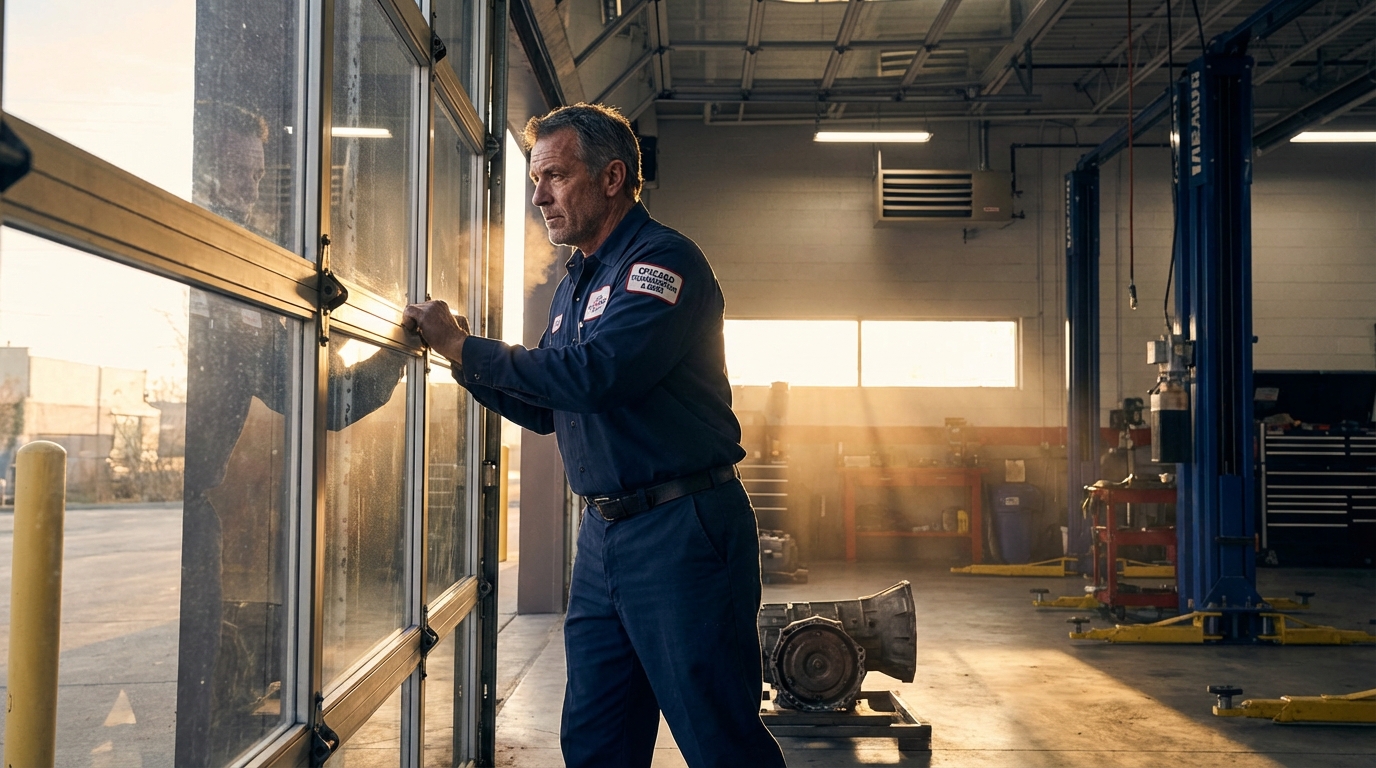
Torque-Converter Failure (Especially GM 6L80/6L90). On GM trucks and SUVs equipped with the 6L80 6-speed automatic, P0731 is a notorious indicator of torque-converter lock-up clutch failure. The friction material from the lock-up clutch disintegrates, sending fine metallic debris throughout the transmission. This debris clogs solenoid screens, abrades valve-body bores, contaminates the filter, and starves clutch packs of pressure - ultimately causing slipping across multiple gears, starting with the one operating closest to its minimum pressure threshold. A characteristic shudder at light throttle (like driving over rumble strips) often precedes the P0731 code by weeks or months. The pan magnet covered in metallic "glitter" is the definitive confirmation. This failure frequently requires not just a torque-converter replacement but a full transmission rebuild or replacement (quoted after diagnosis), because simply swapping the converter without cleaning the entire system leads to repeat failure.
Worn First-Gear Clutch Pack. When fluid and solenoids check out fine, the clutch pack itself is the next suspect. In Chrysler 45RFE/545RFE transmissions, the underdrive (UD) clutch pack handles first gear. The Mopar factory diagnostic procedure lists a "cut UD piston seal," a "broken UD accumulator piston," and a "broken reaction shaft support seal ring" as specific internal causes. In Honda transmissions from the early 2000s, first-gear clutch-pack wear is a systemic issue. Once the clutch is worn, the transmission must be removed and rebuilt.
Valve-Body Wear or Contamination. The valve body routes fluid to the correct clutch circuit. Worn bores allow fluid to cross-leak between circuits, reducing apply pressure. On GM 4L60E transmissions, the TCC regulator valve bore is a documented wear point. On 6L80 transmissions, contamination from torque-converter debris is the primary valve-body threat. On Chrysler platforms, a "broken/missing main valve body bleed orifice" or "broke/missing dribbles orifice assembly in reaction shaft support" are listed as specific causes of P0731 in the factory diagnostic procedure. Valve-body rebuild or replacement.
Failed Overrunning Clutch (One-Way Clutch). In some transmission designs (including GM 4L60E and Chrysler 45RFE/545RFE), a one-way roller or sprag clutch is part of the first-gear engagement mechanism. When the rollers wear or the sprag collapses, the clutch freewheels in both directions instead of locking in one, causing first gear to slip. This failure requires transmission removal and disassembly.
Input or Output Speed Sensor Malfunction. A faulty ISS or OSS can feed incorrect speed data to the TCM, making the computer believe the gear ratio is wrong when mechanical engagement is fine. A Cummins forum member reported that a bad output speed sensor reading caused P0731 on his 68RFE. On Chrysler platforms, the factory procedure specifies that if the DTC Event Data shows P0731 set with input RPM equal to zero, the input speed sensor and related wiring should be checked. Sensors each and are typically accessible without transmission removal.
TCM or PCM Software/Hardware Fault. The Chrysler factory diagnostic procedure notes that if P0731 was set while the vehicle was in Park, Reverse, or Neutral (conditions where the gear ratio cannot physically be incorrect), the PCM itself should be replaced - the module is generating a false code. After any transmission rebuild or major service, the TCM's adaptive-learning tables must be reset and a re-learn drive cycle performed. On Chrysler platforms, this is called the "TCM Quick Learn" and "Drive Learn" procedures; failure to perform them after a controller flash "may result in shift quality complaints."
Symptoms Chicago Drivers Will Notice
The most immediate and alarming symptom is delayed engagement from a stop. The driver releases the brake and presses the accelerator, but the vehicle hesitates - sometimes for one to three seconds - before lurching forward. In heavy Chicago traffic, this delay creates a dangerous gap at intersections and can cause rear-end collisions from following vehicles that expect normal acceleration.
RPM flare is another hallmark. The engine revs climb sharply when the vehicle should be accelerating in first gear, but the wheels don't respond proportionally. The sensation is similar to the clutch slipping in a manual-transmission vehicle - the engine races while the car barely moves. A Ram 2500 owner on RamForum described "1st gear slip and slam when beginning to accelerate from a red light" as the primary symptom of his 68RFE's P0731.
Harsh engagement is the flip side of delayed engagement. When the clutch pack finally grabs - after the initial slip - it does so abruptly, producing a noticeable clunk or slam that passengers can feel. A Jeep Wrangler owner on the TJ Forum described his 42RLE as "flared on the 1-2 shift, then dropped hard into 2nd, and went into limp mode."
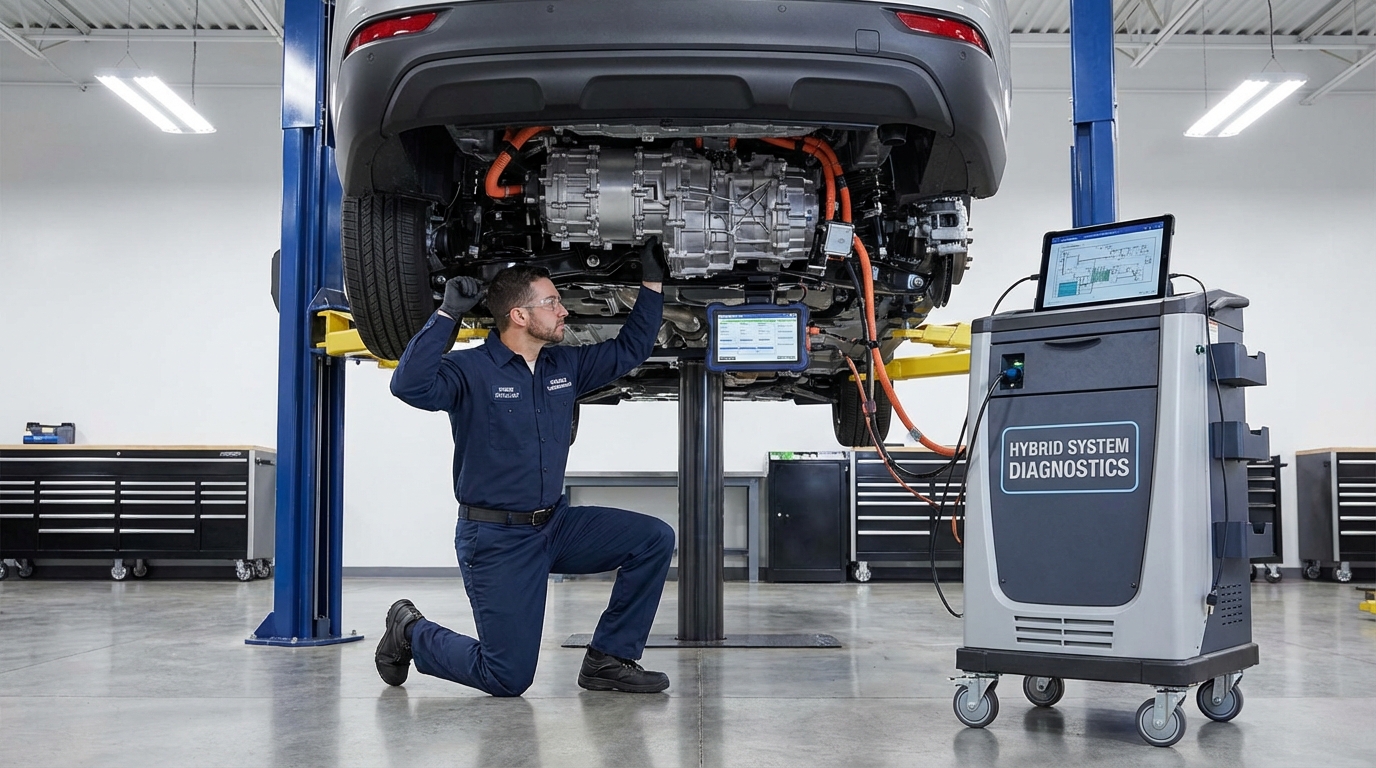
Limp mode activation is common with P0731 because the TCM recognizes that first gear is not functioning correctly and locks the transmission into a single higher gear (typically second or third) to prevent further damage. This limits vehicle speed to 25-40 mph - functional for getting to a shop on surface streets but a serious hazard on expressways.
A shudder or vibration at light throttle - often described as feeling like driving over rumble strips - is an early warning symptom specific to GM 6L80 transmissions with a failing torque converter. This shudder may precede P0731 by weeks or months and should prompt immediate fluid inspection.
Other symptoms include the vehicle simply refusing to move when shifted into Drive (indicating complete loss of first-gear engagement), reduced fuel economy, a persistent check-engine light, and the transmission-warning indicator.
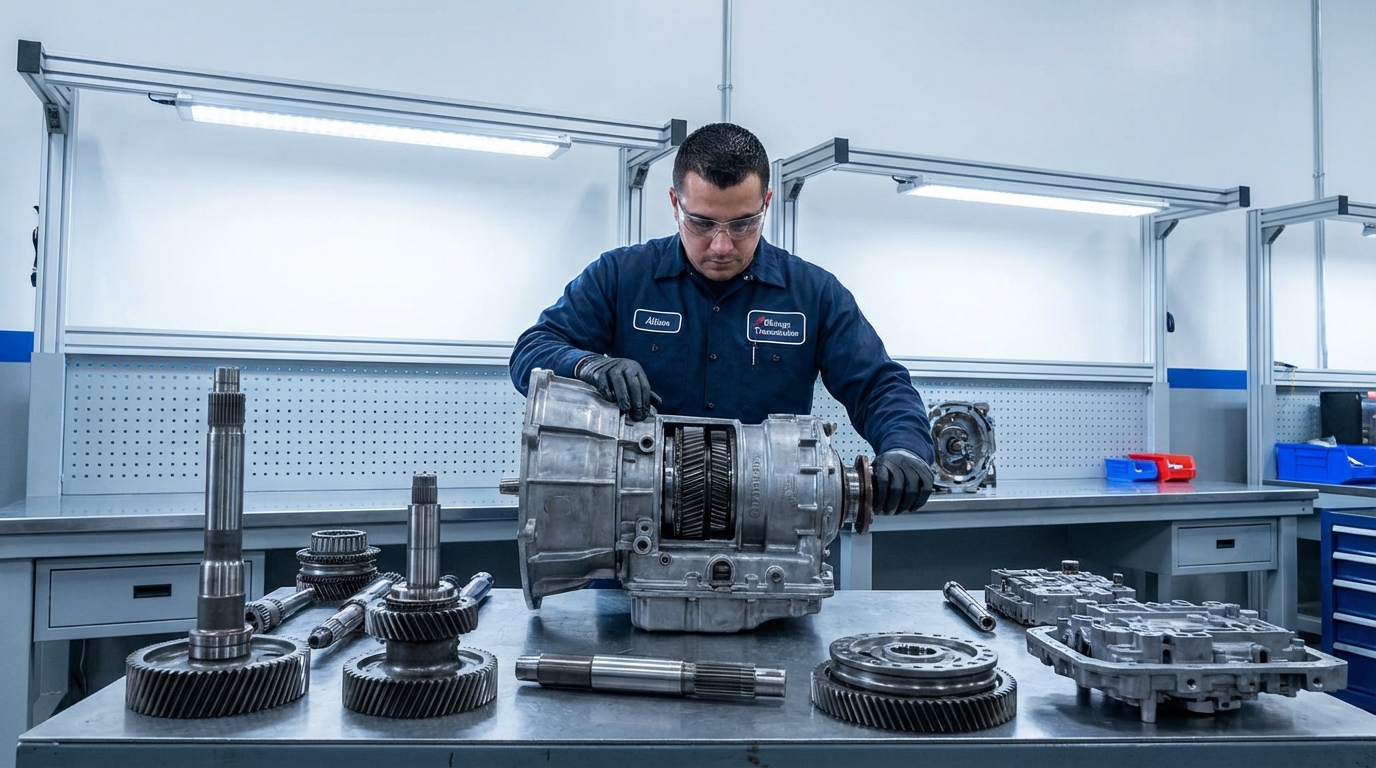
Can You Drive With P0731?
This depends heavily on the severity. If engagement is merely delayed by half a second and the transmission eventually grabs first gear, you can drive cautiously to a nearby shop - avoid expressways, keep speeds low, and minimize stop-and-go acceleration. If the vehicle is in limp mode (stuck in a higher gear), you can limp to a shop on surface streets but should not attempt highway driving.
If the vehicle will not move from a stop, or if the engagement is accompanied by violent slamming and metallic noises, tow it. Continued driving on a severely slipping first-gear clutch pack generates extreme heat, accelerates fluid degradation, and - on 6L80 transmissions with an active torque-converter failure - circulates destructive debris through the entire hydraulic system. The Go-Parts diagnostic guide for the 2006-2010 GMC Sierra explicitly warns: "Do not drive. Continued driving can cause severe, irreversible damage to internal components."
Step-by-Step Diagnosis
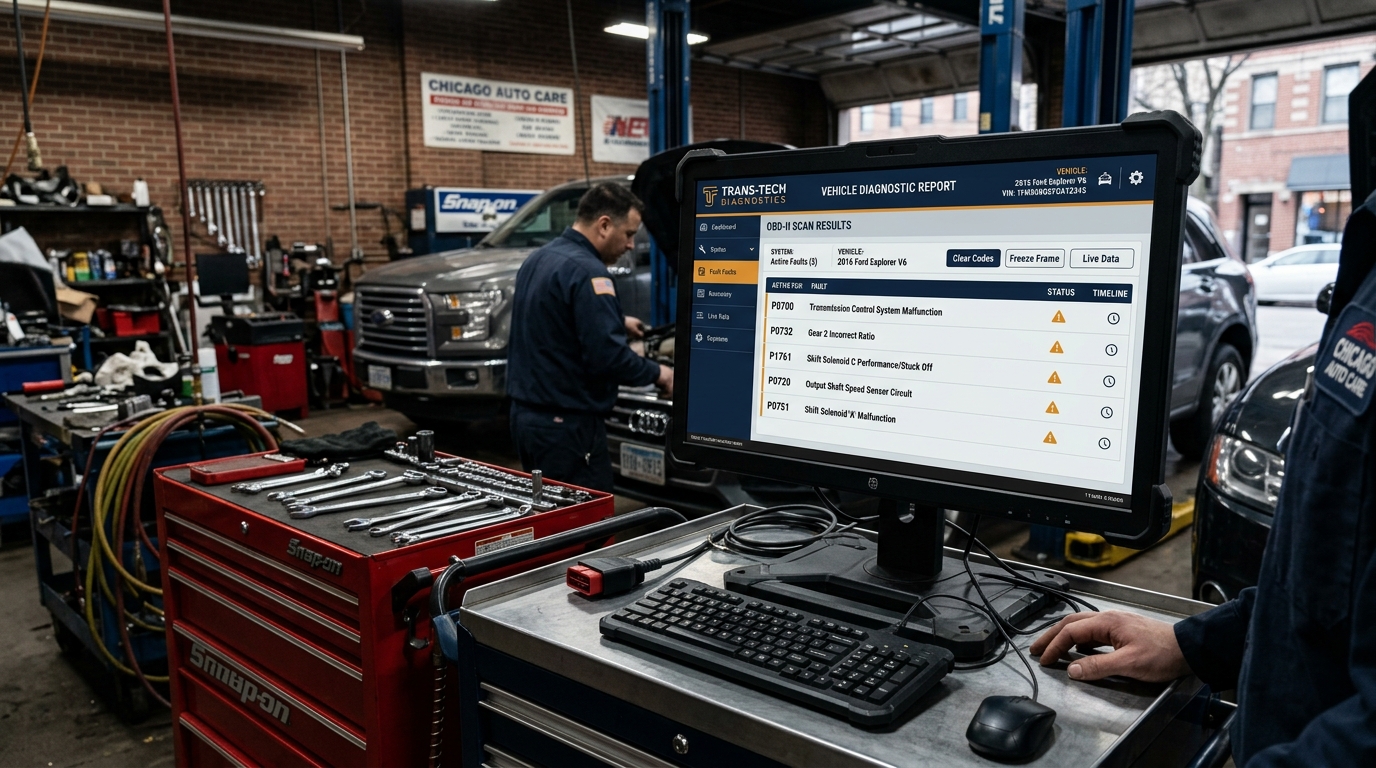
Connect a professional OBD-II scanner and retrieve all stored and pending codes along with freeze-frame data. On Chrysler platforms, the factory procedure emphasizes reading engine DTCs first and repairing those before proceeding to transmission diagnosis. Record all "1 Trip Failures" as well as fully matured codes. Note the DTC Event Data - specifically whether P0731 was set in Park, Reverse, or Neutral (which would indicate a PCM fault rather than a mechanical issue) and what the input and output RPM readings were at the time of the fault.
Check for related codes. If P0944, P0715, P0720, P1794, P0867, P0932, P0868, or P0869 are present (Chrysler platforms), diagnose those first - they can independently cause speed-ratio errors. If P0751 (Shift Solenoid A) is present (GM platforms), the solenoid is the likely culprit. If P0741 (TCC Performance) accompanies P0731 on a 6L80, suspect torque-converter failure.
Inspect the transmission fluid. Check level using the manufacturer's specified procedure. Evaluate color (healthy ATF is red to light brown), smell (burnt odor signals overheated friction material), and particulate content. On 6L80 models, specifically look for metallic "glitter" - this is the telltale sign of torque-converter lock-up clutch failure. Black gritty material suggests band or clutch deterioration.
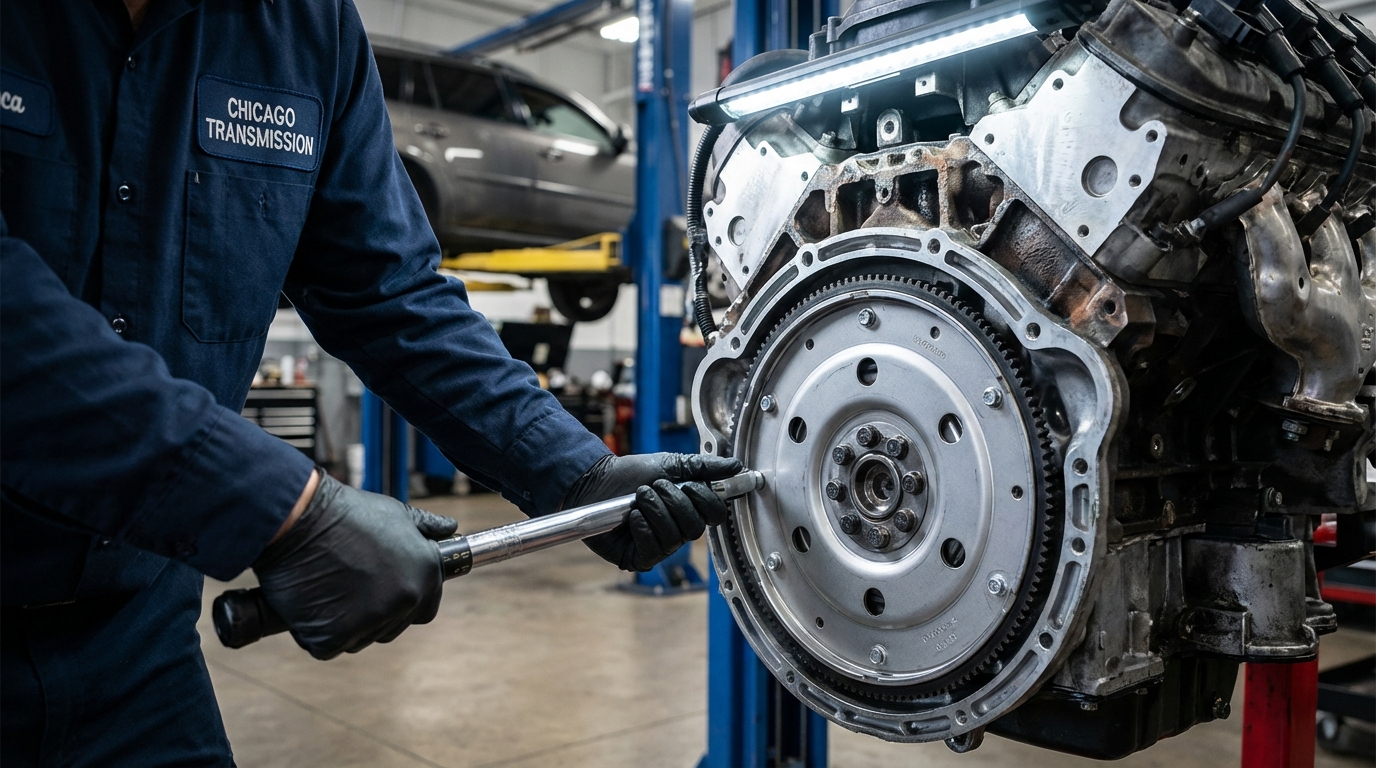
With a scan tool capable of live data, monitor the ISS and OSS readings during a test drive or during a stationary first-gear clutch test. On Chrysler platforms, the factory procedure specifies performing a "1st Gear Clutch Test" - increase throttle angle to 30 degrees for no more than a few seconds and verify that the input speed remains at zero (confirming the clutch is holding). If it does not, internal transmission repair is needed. On GM platforms, calculate the actual ratio (ISS RPM ÷ OSS RPM) and compare to the specified first-gear ratio. A deviation greater than 5% under load confirms the slip.
If the fluid is degraded but the pan shows no metallic debris, perform a drain-and-fill with the manufacturer-specified fluid (DEXRON-VI for GM, MOPAR ATF+4 or equivalent for Chrysler, MERCON LV or ULV for Ford), replace the filter, and retest. Verify that any spin-on filter includes a functioning anti-drainback valve.
If the code persists after fresh fluid, test the shift solenoids. Use a bidirectional scan tool to command the relevant solenoid on and off. Measure coil resistance with a multimeter: GM 4L60E solenoids 20-40 Ω, GM 6L80 on/off solenoids 20-40 Ω, GM 6L80 PWM solenoids 3-8 Ω, Chrysler 45RFE/68RFE solenoids 12-25 Ω. On 6L80 transmissions, the TEHCM pressure switches can be tested by pressing with a pencil eraser - they should read approximately 10 Ω when pressed and open-loop when released.
Perform a line-pressure test. Measure first-gear apply pressure at idle and at WOT. A generic specification is 80-120 psi at idle in first gear; pressure below 60 psi indicates a significant hydraulic leak. On Chrysler platforms, compare actual line pressure to the "Desired Line Pressure" displayed on the scan tool - a significant shortfall points to a sticking main regulator valve, oil-level issue, or damaged filter seal.
Drop the transmission pan and inspect for debris. Fine gray sludge is normal wear; metallic glitter indicates torque-converter failure; dark gritty clutch material indicates band or clutch-pack deterioration; metal chunks indicate catastrophic mechanical failure.
When all external and electrical tests are inconclusive, the transmission must be removed for disassembly and internal inspection.
Repair Cost Summary - Chicago Rates
A transmission fluid and filter service resolves the problem in roughly 15-25% of cases when low or degraded fluid is the confirmed cause. Shift solenoid replacement on a GM 4L60E is quoted after diagnosis and access confirmation. TEHCM replacement on a GM 6L80 requires module testing and programming. On Chrysler platforms, the likely repair may be a solenoid/TRS assembly replacement.
Wiring or connector repair may solve the issue when the fault is electrical. Valve-body rebuild or replacement is considered when hydraulic control is the problem. TCM reprogramming, reflashing, or replacement only belongs in the conversation after mechanical and wiring causes are ruled out.
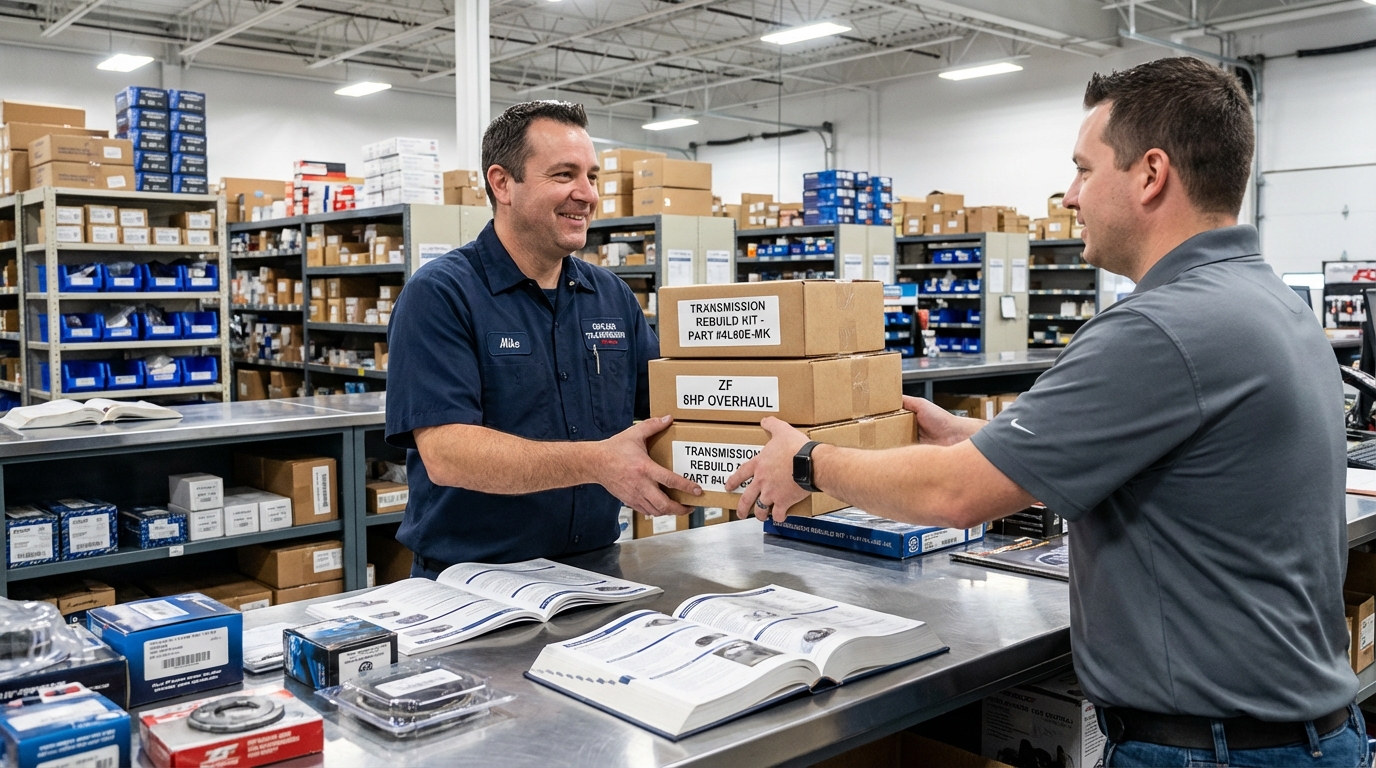
For mechanical failures requiring transmission removal, the repair path depends on what the teardown shows. A limited rebuild may address a failed clutch pack and the related seals; a full rebuild covers the wider wear pattern. Remanufactured units for common transmissions such as the GM 4L60E and Chrysler 42RLE are usually easier to source than heavier-duty or newer units such as the GM 6L80, Chrysler 68RFE, or Ford 10R80, so those jobs should be quoted after availability and warranty options are confirmed. Dealership pricing often runs higher than independent-shop pricing.
Torque-converter replacement on a 6L80 may be enough when the converter is the primary failure and debris has not spread. If converter material has contaminated the system, a full rebuild or replacement is typically the outcome and should be quoted after pan inspection and teardown findings.
Vehicles Most Commonly Affected
GM trucks and SUVs lead the P0731 landscape across two distinct failure patterns. Older models with the 4L60E/4L65E (Silverado, Sierra, Tahoe, Suburban, Yukon, Trailblazer, Camaro - late 1990s through mid-2010s) most commonly set P0731 from a failing 1-2 shift solenoid, which is a relatively accessible and inexpensive repair. Newer models with the 6L80/6L90 (Silverado, Sierra, Tahoe, Suburban, Yukon, Camaro - 2006 and newer) set P0731 as a symptom of torque-converter lock-up clutch failure, which is a far more serious and expensive repair. The Go-Parts guide explicitly warns: "A P0731 on a 4L60E is often a simpler solenoid fix, while on a 6L80 it is frequently a sign of impending, major transmission failure."
Jeep Wrangler, Cherokee, and Liberty models with the 42RLE transmission are another prominent group. Forum threads document P0731 alongside flare-and-slam shifting behavior, with the solenoid pack and internal clutch packs being the most common culprits. A Wrangler TJ Forum thread described the exact diagnostic progression: fluid checked fine, aftermarket solenoid pack didn't fix it, OEM Mopar solenoid pack eliminated the solenoid code but P0731 persisted, suggesting internal clutch damage requiring a rebuild.
Chrysler/Dodge/Ram trucks with 45RFE, 545RFE, and 68RFE transmissions experience P0731 from underdrive clutch-pack failure, accumulator seal damage, and overrunning-clutch failure. The Mopar factory diagnostic procedure provides an exceptionally detailed list of internal causes specific to these transmissions. A Ram 2500 owner on RamForum documented an extensive troubleshooting process - replacing speed sensors, dropping the valve body, replacing seals, swapping solenoid packs - without resolving a temperature-dependent P0731, ultimately suspecting the torque converter or a cross-leak in the aftermarket separator plate.
Ford Explorer and F-150 models with 10R80 10-speed transmissions set P0731 from the well-documented CDF clutch drum sleeve failure, sharing the same root cause as P0733 on these vehicles.
Honda Accord and Civic models from the early-to-mid 2000s continue their pattern of automatic-transmission vulnerability with first-gear clutch-pack wear causing P0731.
Chicago-Specific Factors That Contribute to P0731
Cold weather is the most significant local aggravator. Transmission fluid thickens substantially below 20 degrees F, reducing flow through valve-body passages and diminishing the pressure available to engage first-gear clutch packs. The converter-drainback phenomenon - where ATF drains from the torque converter back into the sump overnight - is worsened in cold weather because the thicker fluid takes longer to refill the converter upon startup. The result is the "morning delay" that many owners describe: shifting into Drive produces a multi-second hesitation before the vehicle lurches forward. Chicago drivers parking outdoors from November through March experience this pattern routinely, and each cold-morning engagement event where the clutch operates at partial pressure accelerates friction-material wear.
Road salt corrodes the main transmission case connector - the single point of contact for all internal solenoids and sensors. A corroded pin on even one circuit can cause erratic solenoid behavior or a false speed-sensor reading, triggering P0731. On GM 6L80 transmissions, the large twist-lock connector on the passenger side of the transmission case is particularly vulnerable and must be checked for full engagement and corrosion.
Chicago's stop-and-go traffic maximizes first-gear engagement cycles. Every red light, every merge, every construction-zone slowdown requires a fresh first-gear application. A suburban highway commuter may engage first gear a few dozen times per trip; a Chicago city driver may engage it hundreds of times. This cycle loading accelerates wear on the forward clutch pack and its associated seals.
Summer heat pushes fluid temperatures past 200 degrees F during expressway crawls, accelerating oxidation and reducing fluid life. Potholes transmit shock loads that can unseat check balls in the valve body or crack accumulator pistons, both of which reduce first-gear apply pressure.
Prevention Tips for Chicago Drivers
Regular fluid and filter changes every 25,000-35,000 miles (20,000 if towing) are the single most effective preventive measure. Always use the manufacturer-specified fluid type - DEXRON-VI for GM, ATF+4 for Chrysler, MERCON LV/ULV for Ford - as incorrect fluid can itself cause shifting problems.
Allow 60-90 seconds of idle time after cold starts before shifting into Drive. This gives the fluid time to warm slightly and refill the torque converter, reducing the stress of cold-soak engagement. Drive gently for the first 3-5 minutes.
Inspect and clean the transmission case connector annually after winter. Apply dielectric grease to pins to repel moisture. On GM 6L80 transmissions, verify that the twist-lock connector is fully seated until the locking tab clicks.
Monitor for early symptoms. A slight hesitation on the 1-2 engagement, a faint shudder at light throttle (6L80 rumble-strip sensation), or an occasional harsh slam into gear are all early warnings. Addressing them at the fluid-and-solenoid stage is dramatically cheaper than a rebuild.
For GM 6L80 trucks, consider adding an auxiliary transmission cooler and a temperature gauge. Keeping fluid below 200 degrees F extends the life of the torque-converter lock-up clutch and delays the onset of the debris cascade that ultimately causes P0731. During any 6L80 service, inspect the fluid closely for metallic glitter - catching torque-converter failure early, before it contaminates the entire system, can save thousands of dollars.
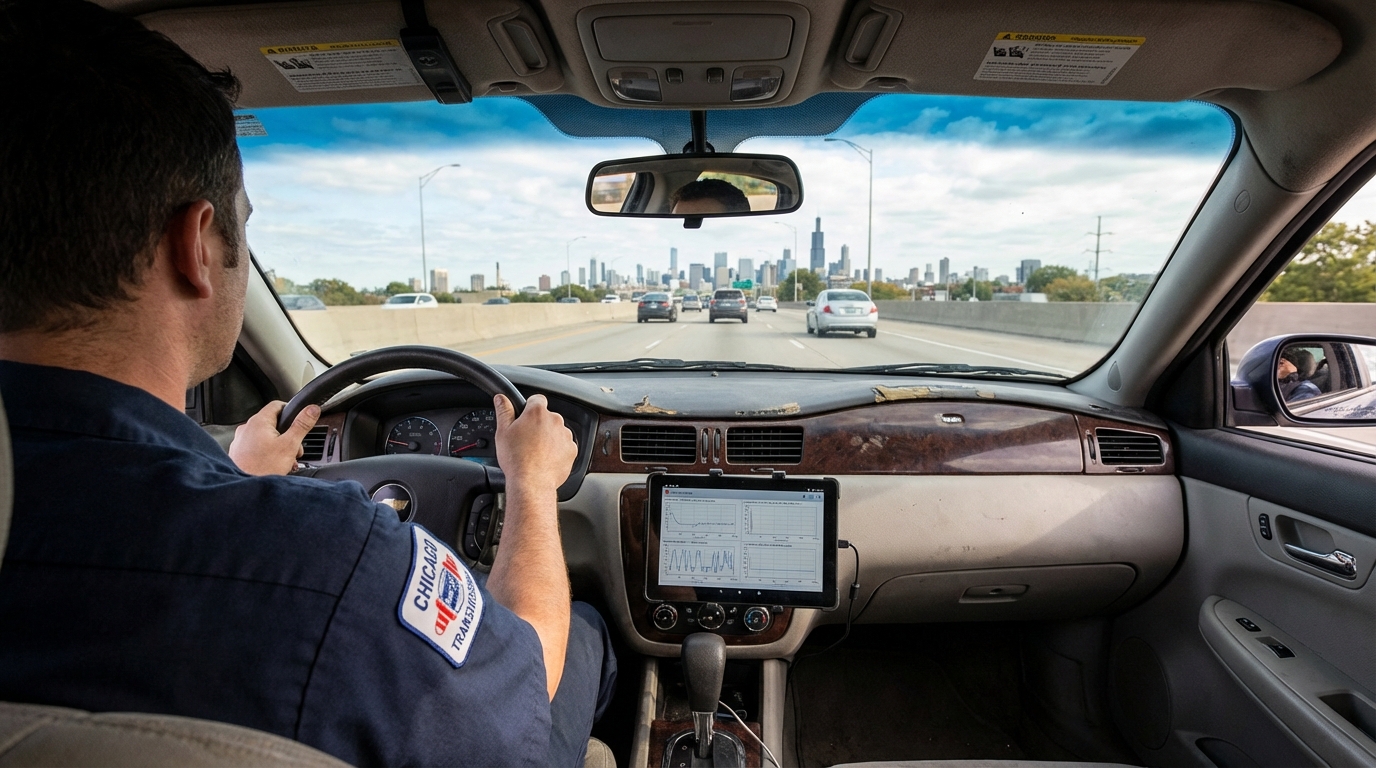
After any transmission rebuild, major service, or controller flash, always perform the manufacturer's specified adaptive-relearn procedure (GM: "Service Fast Learn/Transmission Adapts Relearn"; Chrysler: "TCM Quick Learn" and "Drive Learn"). Skipping this step leaves the TCM using outdated parameters that may not match the rebuilt transmission's characteristics.
Frequently Asked Questions
What exactly is P0731 in plain language? Your transmission is slipping in first gear. The computer compared how fast the engine is spinning to how fast the wheels are turning and determined that first gear is not fully engaged - the power is not getting to the wheels as expected.
How serious is P0731? Very serious. First gear is the foundation of all forward movement from a stop. Loss of first-gear engagement can leave you unable to move in traffic - a significant safety risk. On GM 6L80 transmissions, P0731 often signals active torque-converter destruction that will cascade into total transmission failure if not addressed promptly.
Can a simple fluid change fix P0731? Yes, in roughly 15-25% of cases. Low or degraded fluid is the most common single cause. If the fluid is dark but the pan shows only fine gray sludge and no metallic debris, a drain-and-fill with a fresh filter has a reasonable chance of resolving the code. On vehicles with dual filtration, verify the spin-on filter includes a functioning anti-drainback valve.
Why does P0731 only appear on cold mornings? Cold fluid is thicker and cannot pressurize clutch packs as quickly. Combined with overnight torque-converter drainback (where fluid drains from the converter back to the sump), the first engagement event after a cold soak operates at reduced pressure. Once the fluid warms and the converter refills, engagement improves. This cold-soak pattern is an early warning that the clutch pack or hydraulic circuit is operating at the edge of its tolerance.
What does it mean if P0731 was set in Park, Reverse, or Neutral? On Chrysler platforms, the factory diagnostic procedure specifies that if the DTC Event Data shows P0731 was set in a position where first-gear ratio cannot physically apply, the PCM itself is faulty and should be replaced. The module is generating a false code.
Is P0731 a DIY repair? Checking and topping off fluid, replacing a speed sensor, or swapping shift solenoids on a 4L60E (accessible from the pan) are moderate DIY jobs. TEHCM replacement on a 6L80 requires programming with a dealer-level scan tool or J2534 device. Internal clutch-pack or torque-converter repairs require transmission removal and are best left to professionals.
Which vehicles get P0731 most often? GM trucks with 4L60E (solenoid failure) and 6L80 (torque-converter failure), Jeep Wranglers with 42RLE, Chrysler/Ram trucks with 45RFE/545RFE/68RFE, Ford Explorers/F-150s with 10R80, and Honda Accords/Civics with early-2000s automatics.
Should I rebuild or replace the transmission? On a 4L60E with a simple solenoid failure, a targeted solenoid swap may be all that is needed. On a 6L80 with active torque-converter failure and metallic debris in the pan, the contamination has likely spread through the entire system - a full rebuild or remanufactured unit is usually the most reliable long-term solution. Replacing only the torque converter without addressing the contamination throughout the valve body and clutch packs typically leads to repeat failure.
SEO & Content Notes
Long-tail keywords: P0731 6L80 torque converter failure, P0731 4L60E shift solenoid, P0731 68RFE underdrive clutch, P0731 42RLE Jeep Wrangler, P0731 cold morning no movement
Internal link targets: P0700, P0715, P0720, P0730, P0732, P0733, P0734, P0740, P0741, P0742, P0750, P0751, P0756
Schema markup: FAQPage (8 Q&A pairs), HowTo (diagnosis steps), Article
H2 sections: 12
Series Progress - 18 of 50 Articles Complete
| # | Code | Title | Status |
|---|------|-------|--------|
| 1 | P0700 | Transmission Control System Malfunction | Done |
| 2 | P0730 | Incorrect Gear Ratio | Done |
| 3 | P0740 | Torque Converter Clutch Circuit Malfunction | Done |
| 4 | P0741 | TCC Circuit Performance / Stuck Off | Done |
| 5 | P0715 | Input/Turbine Speed Sensor Circuit Malfunction | Done |
| 6 | P0720 | Output Speed Sensor Circuit Malfunction | Done |
| 7 | P0750 | Shift Solenoid "A" Malfunction | Done |
| 8 | P0755 | Shift Solenoid "B" Malfunction | Done |
| 9 | P0218 | Transmission Over-Temperature | Done |

| 10 | P0780 | Shift Malfunction | Done |
| 11 | P0706 | Transmission Range Sensor Circuit | Done |
| 12 | P0613 | TCM Processor Error | Done |
| 13 | P0742 | TCC Circuit Stuck On | Done |
| 14 | P0751 | Shift Solenoid "A" Performance / Stuck Off | Done |
| 15 | P0756 | Shift Solenoid "B" Performance / Stuck Off | Done |

| 16 | P0733 | Gear 3 Incorrect Ratio | Done |
| 17 | P0732 | Gear 2 Incorrect Ratio | Done |
| 18 | P0731 | Gear 1 Incorrect Ratio | Done |
| 19 | P0734 | Gear 4 Incorrect Ratio | Next |
| 20 | P0705 | Transmission Range Sensor Circuit | Queued |
| 21 | P0744 | TCC Circuit Intermittent | Queued |
| 22 | P0614 | ECM/TCM Incompatibility | Queued |
| 23-50 | - | Remaining Tier 3-5 codes | Queued |
Have a Transmission Problem?
Get a free computer diagnostic from Chicago transmission repair support.