P0733 means your transmission is slipping in third gear. Learn causes (worn clutch packs, dirty fluid, faulty solenoids), diagnostic steps, and Chicago-area repair costs quoted after diagnosis.
What Does the P0733 Code Mean?
P0733 is a generic OBD-II diagnostic trouble code defined as "Gear 3 Incorrect Ratio." It is triggered when the Transmission Control Module (TCM) or Powertrain Control Module (PCM) detects a significant discrepancy between the expected rotational speed relationship of the input (turbine) shaft and the output shaft while the transmission is commanded into third gear. In plain language, the computer knows the engine is spinning at a certain speed and has commanded a shift into third gear, but the wheels are not turning at the speed they should be if third gear were fully engaged. The transmission is slipping, flaring, or failing to lock third gear altogether.
This code applies to virtually all automatic-transmission vehicles equipped with OBD-II (1996 and newer in the U.S. 2000 and newer in Europe and Asia). The exact third-gear ratio varies by transmission design - for example, a GM 4L60E has a third-gear ratio of 1.00:1 (direct drive), while a Ford 5R55 uses approximately 1.52:1, and many modern 10-speed transmissions (Ford 10R80, GM 10L80) have even more closely spaced ratios. The TCM typically allows a tolerance of about ±5% deviation from the expected ratio before setting the code. When the measured ratio falls outside that window on two or more consecutive attempts, P0733 is stored and the check-engine or transmission warning light illuminates.
For Chicago drivers, this code deserves immediate attention. Third gear is the workhorse gear for city driving - it handles acceleration from stoplights, merging onto Lake Shore Drive, and sustained 30-45 mph travel through neighborhoods. Losing reliable third-gear engagement in heavy traffic is not just an inconvenience; it creates a genuine safety concern when the vehicle unexpectedly loses power or lurches during acceleration.
Where P0733 Fits in the Code Family
P0733 belongs to a series of gear-ratio codes that share the same diagnostic logic but target different gears. Understanding the family helps determine whether you have an isolated third-gear problem or a broader transmission failure.
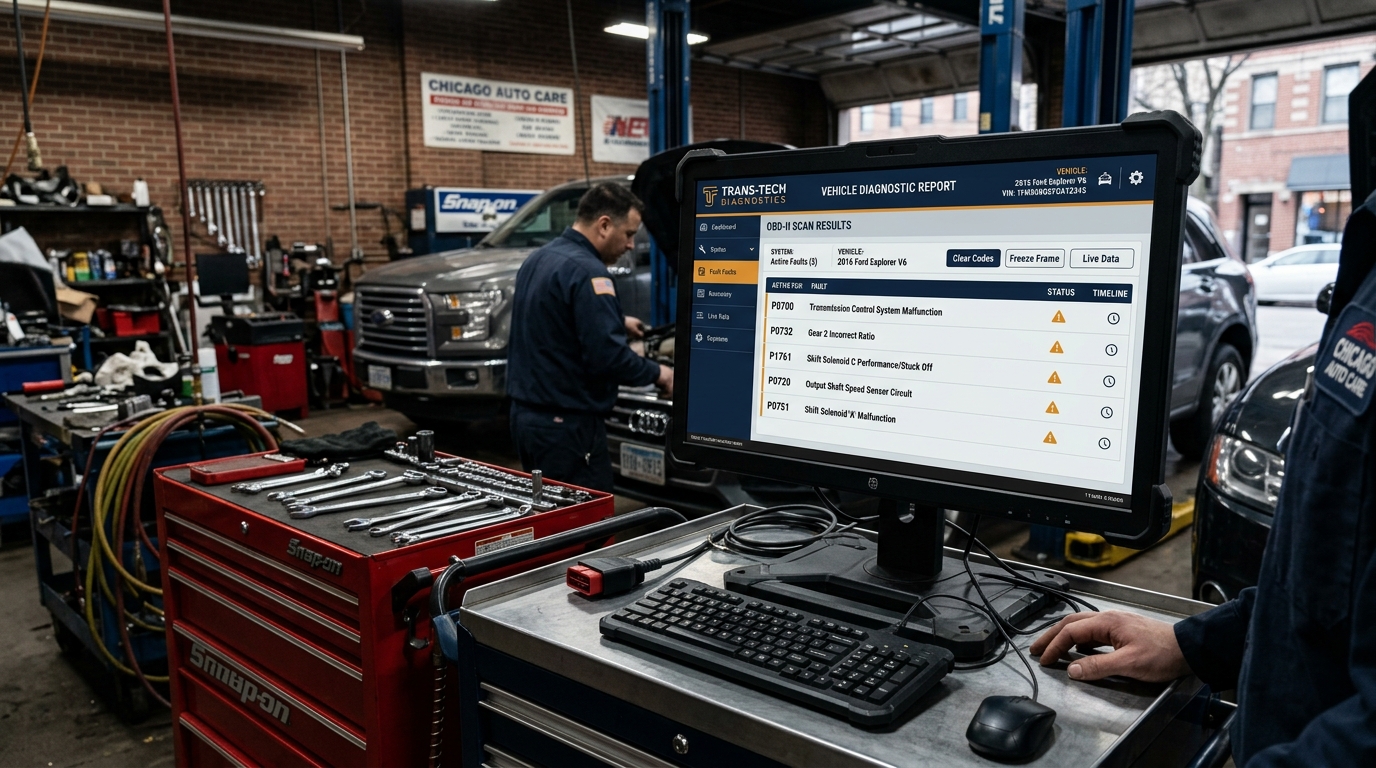
P0730 is the general "Incorrect Gear Ratio" code, meaning the TCM detected a ratio error but has not pinpointed the specific gear. P0731 targets first gear, P0732 targets second gear, P0733 targets third gear, P0734 targets fourth gear, P0735 targets fifth gear, and P0736 targets reverse. When only P0733 appears by itself, the problem is usually confined to the components responsible for engaging third gear - the clutch pack, a specific shift solenoid, or a localized hydraulic circuit. When P0733 appears alongside P0731, P0732, or other gear-ratio codes simultaneously, the issue is more likely a systemic problem such as critically low fluid, a failing pump, widespread valve-body contamination, or a torque-converter failure flooding the system with debris. The companion code P0700 (Transmission Control System Malfunction) is almost always stored alongside any gear-ratio code because it is a general flag that tells the engine-management system the transmission has a fault.
How Third-Gear Engagement Works
Understanding the mechanism behind third-gear engagement helps explain why P0733 appears and what can go wrong. In a modern automatic transmission, gear selection is achieved hydraulically. The TCM sends an electrical signal to one or more shift solenoids - electromagnetic valves mounted on or inside the valve body. These solenoids open or close fluid passages, directing pressurized automatic transmission fluid (ATF) into specific clutch packs or bands. When the correct clutch pack is squeezed together by hydraulic pressure, the corresponding gear set is engaged, and the transmission delivers that gear's ratio to the output shaft.
For third gear specifically, the process typically involves releasing the clutch pack or band used for second gear while simultaneously applying the third-gear clutch pack. This handoff must happen within approximately 200-500 milliseconds and requires precise fluid pressure. Too little pressure and the clutch slips; too much and the shift is brutally harsh. The TCM monitors the input speed sensor (ISS) and output speed sensor (OSS) throughout the shift event. It calculates the actual gear ratio by dividing input RPM by output RPM and compares this to the programmed third-gear ratio. If the numbers do not match within the allowed tolerance - typically because the clutch is slipping - the TCM flags P0733.
In GM's 4L60E transmission, third gear is "direct drive" (1:1 ratio), achieved by locking the input and reaction sun shells together via the 3-4 clutch pack. In Ford's 5R55 family, third gear engages through a different clutch arrangement with a ratio of roughly 1.52:1. In Chrysler's 45RFE/545RFE, the direct clutch and overdrive clutch work together for third. The hardware differs, but the principle remains the same: hydraulic pressure must fully apply a specific clutch set, and any failure in that chain - fluid pressure, solenoid, valve body, or the clutch pack itself - can trigger P0733.
Common Causes of P0733

The causes of P0733 span from simple maintenance items to major internal failures. They are presented here from least to most severe.
Low or Degraded Transmission Fluid. This is the single most common trigger and accounts for roughly 25-35% of P0733 cases across all vehicle makes. Transmission fluid serves as both the hydraulic medium that engages clutches and the lubricant that protects them from heat. When fluid is low - from a leak, evaporation, or inadequate servicing - there is not enough volume to build the pressure required for a clean third-gear engagement. When the fluid is old, burnt, or contaminated, its viscosity and friction-modifier properties degrade, reducing the clutch pack's ability to grip. Dark, burnt-smelling fluid with metallic particles on the drain-pan magnet is a clear indicator.
Clogged Transmission Filter. The filter screens debris from the fluid before it reaches the pump and valve body. Over time, clutch-material dust, metallic wear particles, and sealant fragments accumulate. A restricted filter starves the pump of flow, reducing line pressure system-wide or in specific circuits, leading to slipping in the gear with the tightest tolerance - often third gear.
Faulty Shift Solenoid. The solenoid responsible for directing fluid to the third-gear clutch circuit can fail electrically (open or shorted coil), mechanically (plunger stuck open or closed due to debris or varnish), or intermittently (working when warm but sticking when cold). On GM 4L60E transmissions, the 1-2 and 2-3 shift solenoids work in combination; a sticking 2-3 solenoid is a common culprit for P0733. On Ford 5R55 units, the Shift Solenoid B controls the 2-3 shift. Solenoid replacement should be quoted after scan data, electrical testing, and pan inspection confirm it is the root cause.
Valve-Body Wear or Contamination. The valve body is the hydraulic "brain" of the transmission - a maze of precisely machined bores and spool valves that route fluid to the correct clutch circuit. Over 60,000-100,000+ miles, the aluminum bores can wear slightly, allowing fluid to cross-leak between circuits. Debris from a failing torque converter or clutch pack accelerates this process. A contaminated or worn valve body may provide adequate pressure for some gears but not enough for the third-gear circuit. Valve-body rebuild or replacement.
Worn or Burnt Third-Gear Clutch Pack. This is the most definitive cause of P0733 when fluid and solenoids check out fine. Clutch packs consist of alternating friction discs and steel plates compressed by hydraulic pressure. Over time and mileage - especially under heavy loads, towing, or aggressive driving - the friction material wears thin or burns, reducing the clutch's capacity to hold the gear. In GM 4L60E transmissions, the 3-4 clutch pack is notoriously susceptible; on Chrysler 45RFE/545RFE units, the direct clutch can burn from towing; on Ford 10R80 10-speeds, a design flaw in the CDF clutch drum sleeve can cause catastrophic pressure loss. Once a clutch pack is worn, the transmission must be removed and partially or fully rebuilt. This is the most expensive scenario, ranging.
Torque-Converter Internal Failure. A failing torque converter can shed friction material from its lock-up clutch into the fluid, contaminating the entire system. The debris migrates to the valve body and solenoids, clogging passages and causing slipping in one or more gears. If the pan magnet is covered in fine metallic "glitter," suspect the torque converter. Replacement for the converter plus fluid service, but if the debris has damaged internal components, a rebuild may also be needed.

Input or Output Speed Sensor Malfunction. While less common as the sole cause of P0733, a faulty ISS or OSS can feed incorrect speed data to the TCM, making the computer believe the gear ratio is wrong when the mechanical engagement is actually fine. These sensors are relatively inexpensive (quoted after diagnosis) and accessible on most transmissions without removal, making them a worthwhile early check.
TCM or PCM Software/Hardware Fault. Rarely, the control module's firmware may have a calibration error that miscalculates the expected ratio, or the module itself may have internal damage (cracked solder joints, moisture intrusion). Manufacturer TSBs and software reflashes address known calibration issues. Full TCM replacement plus programming.
Symptoms Chicago Drivers Will Notice

The symptoms of P0733 are felt most acutely during the exact driving patterns that define Chicago commuting. The most prominent symptom is a noticeable "flare" or momentary rev increase during the 2-3 upshift - the engine RPMs climb without a corresponding increase in vehicle speed, as though the transmission briefly slips into neutral before catching. At highway merge points or on-ramps to the Kennedy or Dan Ryan Expressways, this flare can be startling and dangerous, as the vehicle momentarily loses acceleration.
Harsh or delayed shifting into third gear is another hallmark. Instead of a smooth, barely perceptible gear change, the driver feels a pronounced thud or "clunk" as the clutch pack engages late and under higher-than-normal RPMs. Some drivers describe a shudder or vibration between 25 and 40 mph - the speed range where third gear is most active in city traffic.
In more advanced cases, the transmission may skip third gear entirely, jumping from second directly to fourth, or it may enter limp mode - a protective strategy where the TCM locks the transmission into a single gear (usually second or third) and limits vehicle speed to 25-40 mph. Limp mode is designed to prevent further damage, but driving on Chicago expressways at 30 mph is itself a hazard.
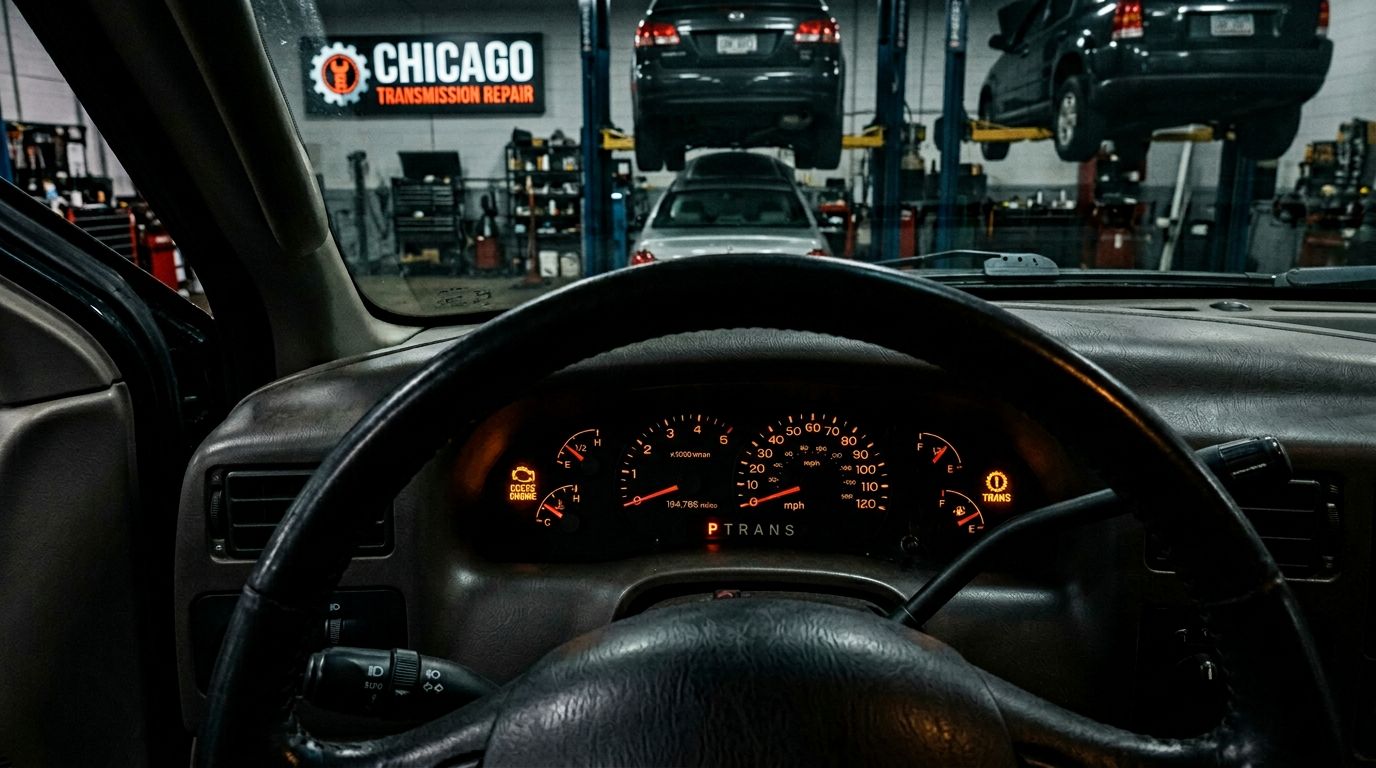
Other symptoms include reduced fuel economy (the engine operates at higher RPMs than necessary because it cannot efficiently use third gear), a persistent check-engine light, and in some vehicles, a dedicated transmission warning indicator. When P0733 is accompanied by P0700, a secondary "wrench" or "TRANS" light may illuminate on the dashboard.
Can You Drive With P0733?
The answer depends on severity. If the code is intermittent and the transmission still shifts into third gear - just with a slight flare or delay - you can drive carefully to a nearby shop, avoiding the expressway and keeping speeds under 45 mph. Minimize stop-and-go acceleration, which stresses the slipping clutch pack, and avoid towing or carrying heavy loads.
If the transmission has entered limp mode, is shuddering violently, or is skipping third gear altogether, towing is strongly recommended. Continuing to drive on a severely slipping clutch pack generates enormous heat, which burns the fluid, glazes the clutch friction material further, and can warp steel plates and damage the drum housing - turning a clutch-pack repair into a full rebuild. The rule of thumb is simple: the more dramatic the symptom, the shorter your remaining safe driving distance.
Step-by-Step Diagnosis
Proper diagnosis of P0733 follows a logical sequence from least invasive to most invasive.
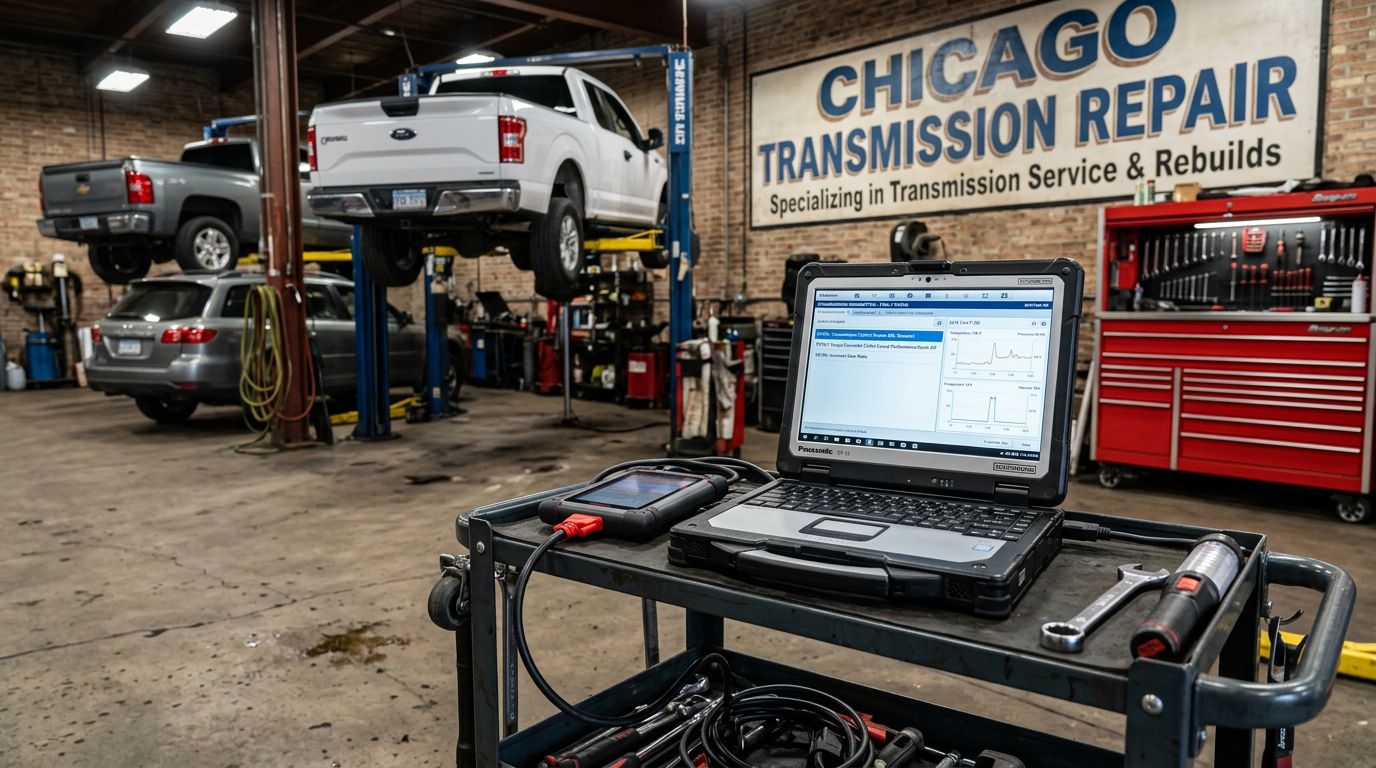
The first step is to connect a professional OBD-II scanner and retrieve all stored and pending codes, along with freeze-frame data. Freeze-frame captures the exact engine speed, vehicle speed, transmission temperature, and gear commanded at the moment the code was set, providing valuable clues. Note whether P0733 appears alone or alongside other gear-ratio codes (P0731, P0732, P0734) or solenoid codes (P0750-P0770).
Next, inspect the transmission fluid. Check the level using the manufacturer's specified procedure - many modern transmissions lack a traditional dipstick and require the vehicle to be level, at operating temperature, with the engine running, and checked via an overflow plug underneath. Evaluate color (healthy ATF is red to light brown; dark brown or black indicates degradation), smell (a burnt odor signals overheated friction material), and particulate content (metallic glitter on a white paper towel indicates internal component failure).
With a scan tool capable of live data, monitor the input speed sensor (ISS) and output speed sensor (OSS) readings during a test drive. Calculate the actual ratio (ISS RPM ÷ OSS RPM) and compare it to the manufacturer's specified third-gear ratio. A deviation greater than 5% under load confirms the slip is real and not a sensor anomaly. Also monitor transmission fluid temperature; readings above 220 degrees F indicate the fluid is being overworked, often from slipping.
If the fluid is severely degraded or contaminated but the vehicle has no metallic debris in the pan, a fluid-and-filter service may be both diagnostic and curative. Perform a drain-and-fill (not a high-pressure flush), replace the filter, and retest. If P0733 clears and does not return after 50-100 miles of varied driving, the problem was fluid-related.
If the code persists after fresh fluid, test the shift solenoids. Using a bidirectional scan tool, command the relevant solenoid (e.g. 2-3 shift solenoid on GM, Shift Solenoid B on Ford) on and off while monitoring the transmission's response. You can also measure the solenoid's coil resistance with a multimeter - GM 4L60E solenoids typically measure 20-40 Ω, Ford 5R55 solenoids 11-15 Ω, and Chrysler 45RFE solenoids 12-25 Ω. A reading outside the specified range, or a solenoid that does not click audibly when 12V is applied directly, confirms a failed solenoid.
If solenoids test normal, a line-pressure test is the next step. Using a transmission pressure gauge tapped into the appropriate port, measure third-gear apply pressure at idle and under wide-open throttle (WOT). Compare to the manufacturer's specifications. Low pressure in the third-gear circuit but normal pressure in other circuits points to a valve-body issue or a specific hydraulic seal failure. Low pressure across all circuits suggests a pump problem or critically low fluid.
When all external and electrical tests are inconclusive, a pan drop and visual inspection is warranted. Remove the transmission pan and examine the magnet and pan floor for debris. Fine gray sludge is normal wear; larger metallic chips, chunks of friction material, or metallic "glitter" indicate internal failure. At this point, the transmission typically needs to be removed from the vehicle for disassembly and internal inspection - a job measured in hours (6-12 depending on the vehicle) and requiring specialized tools.
Repair Cost Summary - Chicago Rates
The cost to fix P0733 varies enormously depending on the root cause.
A transmission fluid and filter service resolves the problem in a minority of cases, particularly when the fluid is dark but no metallic debris is present. Shift solenoid replacement may be enough when testing confirms an electrical or hydraulic solenoid fault; accessibility varies by transmission, with some solenoids reachable by removing the pan and others requiring partial disassembly. Wiring or connector repair may solve the issue when the solenoid harness is corroded or damaged.
Valve-body rebuild or replacement is a more significant repair because it often requires extensive pan-side work and sometimes transmission removal. TCM reprogramming or reflashing may apply when a manufacturer TSB calls for it. Full TCM replacement should be quoted after module testing and must include programming.
Clutch-pack replacement - the most common outcome when P0733 is caused by genuine mechanical wear - requires a transmission rebuild. A limited rebuild may address the failed clutch pack and associated seals, while a full rebuild replaces all clutch packs, bands, seals, bushings, and often the torque converter. Remanufactured options depend on unit availability and warranty choice; dealership pricing is usually higher than independent-shop pricing.
Torque-converter replacement should be considered when the converter is the source of contamination.
Vehicles Most Commonly Affected
P0733 shows up across many makes and models, but certain transmissions have earned a reputation for third-gear problems.
GM vehicles equipped with the 4L60E transmission (Silverado, Sierra, Tahoe, Suburban, Yukon, Trailblazer, Envoy, Camaro, and others from the late 1990s through mid-2010s) are the most frequently reported. The 3-4 clutch pack in the 4L60E is a well-documented weak point, especially in trucks used for towing. The 6L80 and 6L90 transmissions in newer GM trucks can also set P0733, often related to the TEHCM (Transmission Electro-Hydraulic Control Module) assembly or torque-converter debris.

Ford vehicles with the 5R55W/5R55S transmission (Explorer, Mountaineer, Mustang from 2002-2010) and the newer 10R80 10-speed (F-150, Expedition, Navigator, Mustang from 2017+) are also common. The 5R55 family suffers from servo bore wear and valve-body issues; the 10R80 has the well-documented CDF clutch drum sleeve failure covered by multiple Ford TSBs.
Chrysler/Dodge/Ram trucks and SUVs with the 45RFE and 545RFE transmissions (Ram 1500, Dakota, Durango, Grand Cherokee from 1999-2012) experience P0733 from direct-clutch failure, frequently exacerbated by towing in warm weather.
Honda Accord and Civic models from the early-to-mid 2000s with 4- and 5-speed automatics are known to set P0733 due to worn third-gear clutch packs - a systemic issue for Honda transmissions of that era.

Chicago-Specific Factors That Contribute to P0733
Chicago's climate and driving conditions create a perfect storm for third-gear transmission problems.
Cold weather is a major contributor. Automatic transmission fluid thickens significantly at temperatures below 20 degrees F, reducing its ability to flow through narrow valve-body passages and fully pressurize clutch packs. A forum post from a Ford Ranger owner in Minnesota - a climate comparable to Chicago winters - documented P0733 occurring exclusively on cold mornings when the truck had not been warmed up, with the code clearing once the fluid reached operating temperature. This "cold-soak" pattern is especially relevant for Chicago drivers who park outdoors or in unheated garages from November through March. The fluid cannot deliver full apply pressure until it warms, and the resulting partial clutch engagement during the first few miles of driving accelerates wear on the friction surfaces.
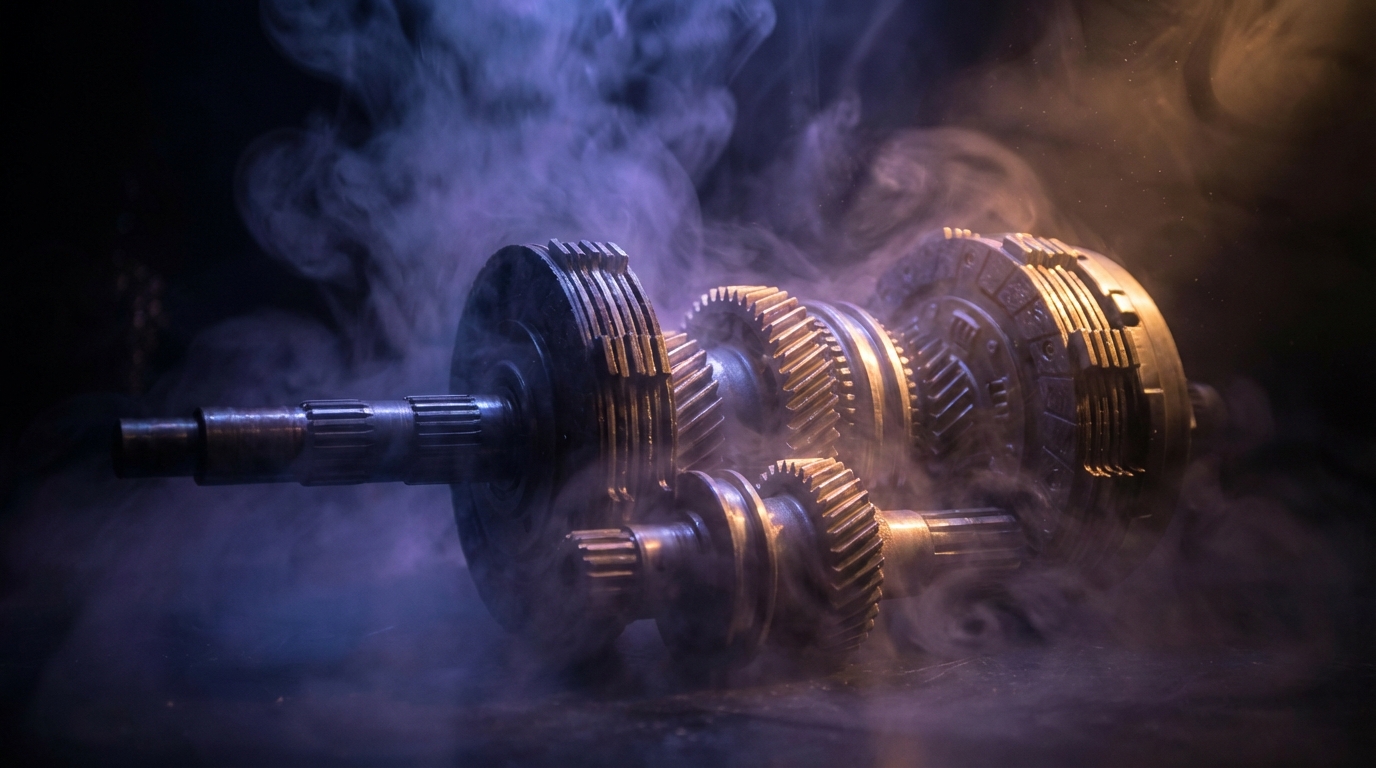
Road salt and brine accelerate corrosion of external transmission connectors and wiring harnesses. The shift-solenoid connector is often mounted low on the transmission case, directly in the spray path of road slush. Corroded pins create high electrical resistance, reducing the current available to energize solenoids and causing them to behave as though they are stuck off.
Chicago's infamous stop-and-go traffic dramatically increases the number of shift cycles per mile compared to highway driving. Every traffic light, every merge, and every slowdown through construction zones on the Eisenhower or Stevenson forces the transmission through its gears repeatedly, accelerating wear on clutch packs and solenoids. Rush-hour commuters logging 30,000 miles annually in city traffic may put double or triple the shift-cycle load on their transmission compared to a suburban highway driver covering the same distance.
Summer heat waves, when temperatures exceed 90 degrees F and pavement radiates additional heat upward, push transmission fluid temperatures beyond 200 degrees F, accelerating oxidation and reducing fluid life. Vehicles stuck in expressway traffic on a 95 degrees F July afternoon can see transmission temperatures climb past 240 degrees F - the threshold at which fluid breakdown accelerates exponentially and clutch-pack life is measured in thousands rather than tens of thousands of miles.

Potholes - a perennial Chicago road hazard - transmit shock loads through the drivetrain that can crack valve-body castings, unseat check balls, or damage servo bores, all of which can reduce hydraulic pressure in specific gear circuits.
Prevention Tips for Chicago Drivers
Regular fluid and filter changes are the single most effective preventive measure. Most manufacturers specify 60,000-mile intervals under "normal" conditions, but Chicago driving qualifies as "severe service" by virtually every manufacturer's definition (frequent stop-and-go, extreme temperatures, dusty conditions). Changing fluid and filter every 25,000-35,000 miles - and every 20,000 miles if you tow - keeps the fluid's friction modifiers and viscosity within spec and prevents the accumulation of abrasive wear particles.
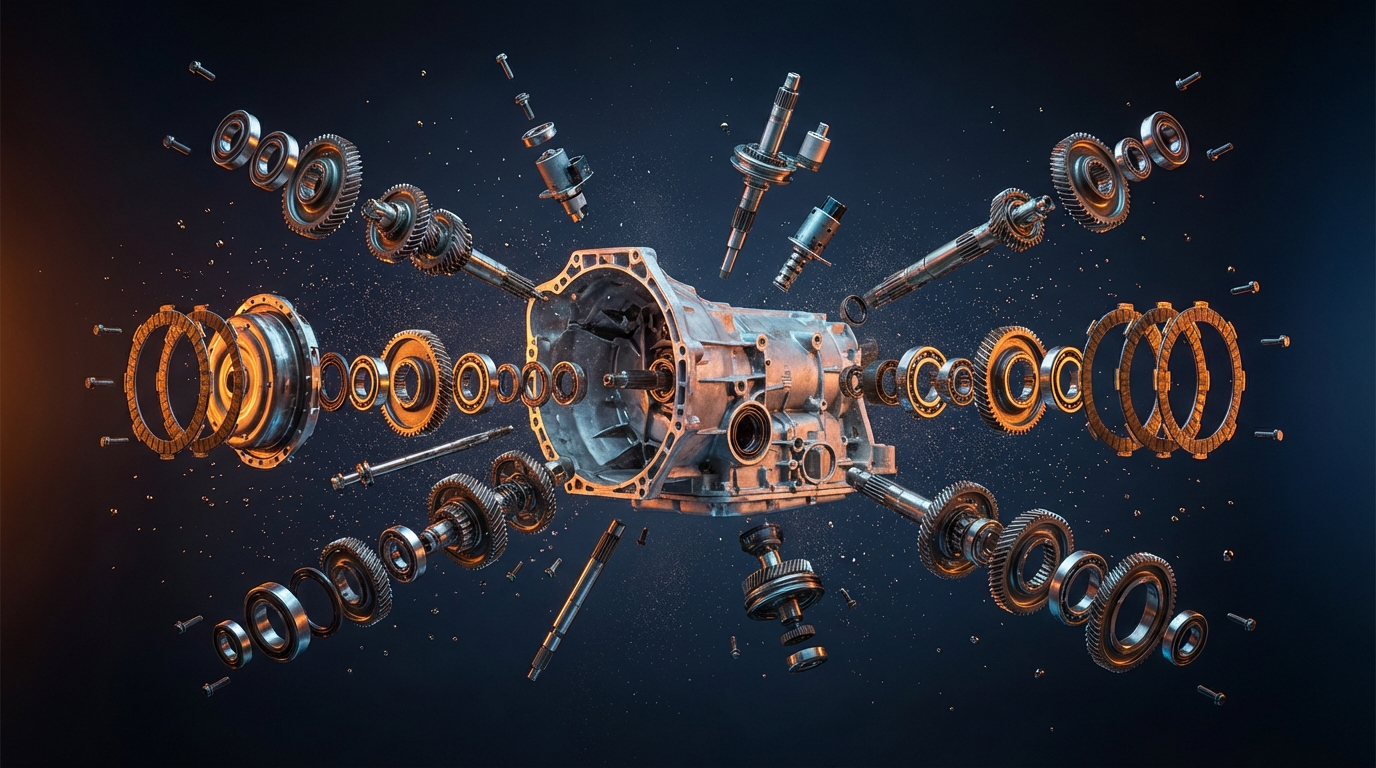
Warming up the transmission before aggressive driving in winter reduces cold-soak stress on clutch packs and solenoids. After starting the engine on a sub-freezing morning, allow 60-90 seconds of idle time before shifting into Drive, then drive gently for the first 3-5 minutes. This gives the fluid time to warm, thin, and circulate through the valve body.
Applying dielectric grease to the transmission wiring connector annually after winter helps combat road-salt corrosion. A visual inspection of the connector pins for green oxidation or ATF contamination takes five minutes and can prevent a solenoid code caused by a corroded ground.
Addressing early symptoms promptly is critical. A slight flare during the 2-3 upshift, an occasional harsh shift, or a barely perceptible shudder are all early warnings that the third-gear circuit is losing pressure. At this stage, a fluid service and solenoid inspection may be all that's needed. Ignoring these symptoms allows the slipping clutch to generate heat and debris, contaminating the fluid and accelerating the failure cascade toward a full rebuild.
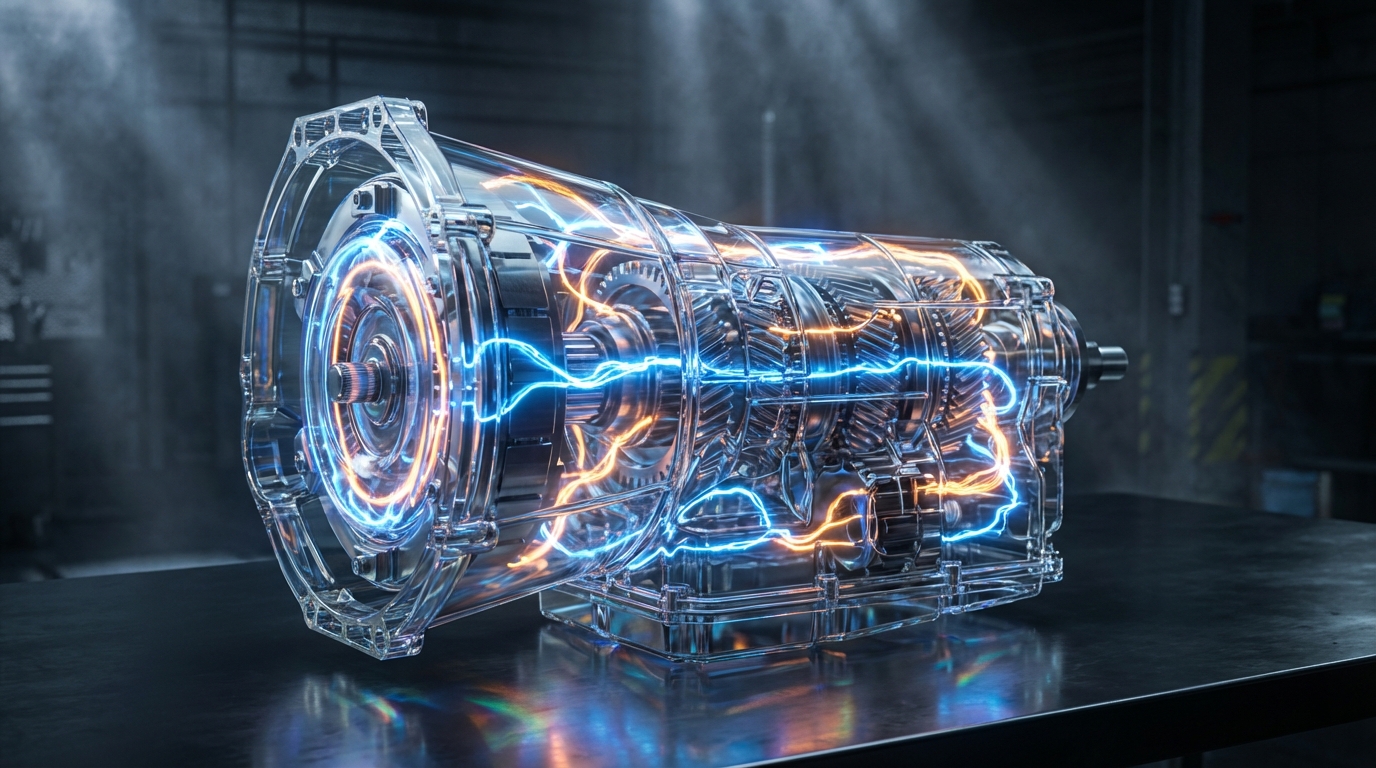
For vehicles known to be susceptible - GM 4L60E trucks, Ford Explorers with 5R55 transmissions - installing an auxiliary transmission cooler and a temperature gauge provides an extra margin of safety. Keeping fluid temperature below 200 degrees F under all conditions can dramatically extend clutch-pack life.
Frequently Asked Questions
What exactly is P0733 in plain language? Your transmission is slipping in third gear. The computer measured how fast the engine is spinning versus how fast the wheels are turning and determined that the gear is not fully engaged.
How serious is P0733? It ranges from moderately serious to very serious. At minimum, it means reduced performance and fuel economy. At worst, it signals internal clutch failure that can strand you if the transmission enters limp mode or loses third gear entirely. It should be diagnosed within days, not weeks.
**Can a simple fluid change

Can a simple fluid change fix P0733? Yes, in roughly 15-25% of cases. When the root cause is degraded, low, or contaminated fluid - and the clutch packs themselves are not yet physically damaged - a drain-and-fill with a fresh filter restores adequate hydraulic pressure and friction-modifier performance. The key indicator is fluid condition: if the fluid is dark but the pan magnet shows only fine gray sludge (normal wear) and no metallic chunks or "glitter," a fluid service has a reasonable chance of resolving the code. If the fluid is burnt-black with visible metallic particles, the damage has already progressed beyond what fresh fluid can fix.
Does P0733 only happen in cold weather? No, but cold weather is a well-documented aggravator. Thickened fluid in sub-freezing temperatures struggles to pressurize clutch packs fully during the first few minutes of driving, and multiple owners - particularly of Ford Rangers, Explorers, and GM trucks - report P0733 appearing exclusively on cold mornings and clearing once the transmission warms up. If your P0733 only occurs cold, the clutch pack is likely on the edge of its pressure tolerance: warm fluid provides just enough force to hold it, but cold, thick fluid does not. This is a warning that the clutch or hydraulic circuit is marginal and will likely worsen over time.
What is the difference between P0730 and P0733? P0730 is the general "Incorrect Gear Ratio" code - the TCM knows the ratio is wrong but has not identified which gear is at fault. P0733 is gear-specific: the ratio error occurs in third gear only. When you see P0730 by itself, the TCM may not have enough data to isolate the gear, or the slip may be occurring across multiple gears. When you see P0733 specifically, diagnostics can focus on the third-gear clutch pack, the shift solenoid responsible for the 2-3 shift, and the corresponding hydraulic circuit.
Can I clear the code and keep driving? You can clear P0733 with a scan tool, and in some cases it will not immediately return - especially if the slip is intermittent or temperature-dependent. However, clearing the code does not fix the underlying cause. If a clutch pack is worn, the slip will recur and progressively worsen. Clearing the code also erases the freeze-frame data that a technician needs for efficient diagnosis, so it is better to leave the code stored and bring the vehicle in with the diagnostic data intact.
Is P0733 a DIY repair? It depends on the cause. Checking and topping off fluid, replacing an external speed sensor (quoted after diagnosis), or even dropping the pan to replace a filter and inspect for debris are within reach of a well-equipped home mechanic. Replacing a shift solenoid that is accessible from the pan side is a moderate DIY job. However, a valve-body rebuild, clutch-pack replacement, or transmission removal and teardown require specialized tools (spring compressors, snap-ring pliers, a transmission jack), a clean workspace, and considerable experience. For most P0733 cases that go beyond fluid and solenoids, professional service is recommended.
Which vehicles get P0733 most often? GM trucks and SUVs with the 4L60E transmission lead the pack, followed by Ford Explorers and Rangers with 5R55 transmissions, Chrysler/Dodge/Ram trucks with 45RFE/545RFE units, Honda Accords and Civics with 4- and 5-speed automatics from the early 2000s, and Ford F-150s/Expeditions/Navigators with the 10R80 10-speed. Any high-mileage automatic transmission can develop P0733, but these platforms have documented patterns.
How long does the repair take? A fluid-and-filter service takes 1-2 hours. A solenoid replacement (pan-accessible) takes 2-4 hours. A valve-body replacement takes 4-8 hours. A full transmission removal, rebuild, and reinstallation takes 8-15 hours depending on the vehicle and whether it is two-wheel or four-wheel drive. Chicago-area shops typically quote 2-5 business days for a rebuild, factoring in parts sourcing and testing.
Should I rebuild or replace the transmission? If the damage is confined to the third-gear clutch pack and the rest of the internals are in good condition (clean fluid, no widespread debris), a partial rebuild targeting the failed clutch set is the most cost-effective option. If the pan shows heavy contamination, multiple clutch packs are worn, or the torque converter has failed, a full rebuild or a remanufactured unit provides a more comprehensive solution with a longer warranty - typically 12-36 months or 12,000-100,000 miles depending on the provider.
SEO & Content Notes
Long-tail keywords: P0733 code cold weather, P0733 4L60E 3-4 clutch pack, P0733 Ford 10R80 CDF drum, P0733 Honda Accord third gear, how much to fix P0733
Internal link targets: P0700, P0715, P0720, P0730, P0731, P0732, P0734, P0740, P0741, P0742, P0750, P0751, P0756
Schema markup: FAQPage (8 Q&A pairs), HowTo (diagnosis steps), Article
H2 sections: 12
Series Progress - 16 of 50 Articles Complete
| # | Code | Title | Status |

|---|------|-------|--------|
| 1 | P0700 | Transmission Control System Malfunction | Done |
| 2 | P0730 | Incorrect Gear Ratio | Done |
| 3 | P0740 | Torque Converter Clutch Circuit Malfunction | Done |
| 4 | P0741 | TCC Circuit Performance / Stuck Off | Done |
| 5 | P0715 | Input/Turbine Speed Sensor Circuit Malfunction | Done |
| 6 | P0720 | Output Speed Sensor Circuit Malfunction | Done |
| 7 | P0750 | Shift Solenoid "A" Malfunction | Done |
| 8 | P0755 | Shift Solenoid "B" Malfunction | Done |
| 9 | P0218 | Transmission Over-Temperature | Done |
| 10 | P0780 | Shift Malfunction | Done |
| 11 | P0706 | Transmission Range Sensor Circuit | Done |
| 12 | P0613 | TCM Processor Error | Done |
| 13 | P0742 | TCC Circuit Stuck On | Done |
| 14 | P0751 | Shift Solenoid "A" Performance / Stuck Off | Done |
| 15 | P0756 | Shift Solenoid "B" Performance / Stuck Off | Done |
| 16 | P0733 | Gear 3 Incorrect Ratio | Done |
| 17 | P0732 | Gear 2 Incorrect Ratio | Next |
| 18 | P0731 | Gear 1 Incorrect Ratio | Queued |
| 19 | P0734 | Gear 4 Incorrect Ratio | Queued |
| 20 | P0705 | Transmission Range Sensor Circuit | Queued |
| 21 | P0744 | TCC Circuit Intermittent | Queued |
| 22 | P0614 | ECM/TCM Incompatibility | Queued |
| 23-50 | - | Remaining Tier 3-5 codes | Queued |
Next up: P0732 - Gear 2 Incorrect Ratio. Ready to proceed when you are.
Have a Transmission Problem?
Get a Diagnosis-first inspection from Chicago transmission repair support.