P0734 means your transmission is slipping in fourth gear. Learn causes (failed 3-4 clutch pack, solenoid faults, valve-body wear), diagnosis steps, and Chicago-area repair costs quoted after diagnosis.
What Does the P0734 Code Mean?
P0734 is a generic OBD-II diagnostic trouble code defined as "Gear 4 Incorrect Ratio." It is stored when the Transmission Control Module (TCM) or Powertrain Control Module (PCM) detects that the relationship between the input (turbine) shaft speed and the output shaft speed does not match the manufacturer's programmed ratio for fourth gear. In plain language, the computer has commanded the transmission into fourth gear, but the wheels are not spinning at the speed they should be - the transmission is slipping, flaring, or failing to engage fourth gear altogether.
This code applies to all automatic-transmission vehicles with OBD-II (1996 and newer in the U.S.). The exact fourth-gear ratio varies by transmission design. In GM's 4L60E, fourth gear is the overdrive gear with a ratio of approximately 0.696:1 - the input shaft actually spins slower than the output shaft, reducing engine RPMs for fuel-efficient highway cruising. In Ford's 5R55 family, fourth gear is approximately 1.00:1 (direct drive). In Chrysler's 45RFE/545RFE, fourth gear uses the overdrive clutch at approximately 0.75:1. In modern 10-speed transmissions (Ford 10R80, GM 10L80), fourth gear occupies a mid-range ratio closer to 1.5:1 in a much more closely spaced gear set. The TCM allows a tolerance of about ±5% deviation from the programmed ratio; when the measured ratio falls outside that window on two or more consecutive attempts, P0734 is stored.
For Chicago drivers, P0734 is felt most acutely on the expressway. Fourth gear - whether it functions as overdrive (4-speed transmissions) or a mid-range cruising gear (6- and 10-speed transmissions) - is the gear the transmission selects for sustained 40-65 mph travel. Losing fourth gear forces the engine to rev higher in third, increasing fuel consumption by 15-25%, generating more noise, and accelerating heat buildup in the transmission. On long expressway commutes across the city, this translates to measurably higher operating costs and accelerated wear.
Where P0734 Fits in the Code Family
P0734 belongs to the familiar series of gear-ratio codes. P0730 is the general "Incorrect Gear Ratio" code. P0731 targets first gear, P0732 targets second, P0733 targets third, P0734 targets fourth, P0735 targets fifth, and P0736 targets reverse.
When P0734 appears alone, the problem is typically confined to the components responsible for engaging fourth gear - most commonly the 3-4 clutch pack (on GM 4L60E), the overdrive clutch (on Chrysler 45RFE/545RFE), or the specific solenoid controlling the fourth-gear hydraulic circuit. When P0734 appears alongside P0733, the two codes share the same clutch pack on many transmission designs, confirming that the 3-4 clutch set is the failure point. When P0734 appears with multiple other gear-ratio codes simultaneously, suspect a systemic issue: critically low fluid, pump failure, widespread valve-body contamination, or torque-converter debris.
Key companion codes include P0700 (Transmission Control System Malfunction - nearly always stored alongside any gear-ratio code), P0733 (Gear 3 Incorrect Ratio - shares the 3-4 clutch on GM 4L60E), P0894/P1870 (Transmission Component Slipping - GM-specific codes indicating generalized slippage, often from valve-body bore wear), and solenoid codes P0751 or P0756 (which implicate specific shift solenoids in the fourth-gear circuit).
How Fourth-Gear Engagement Works
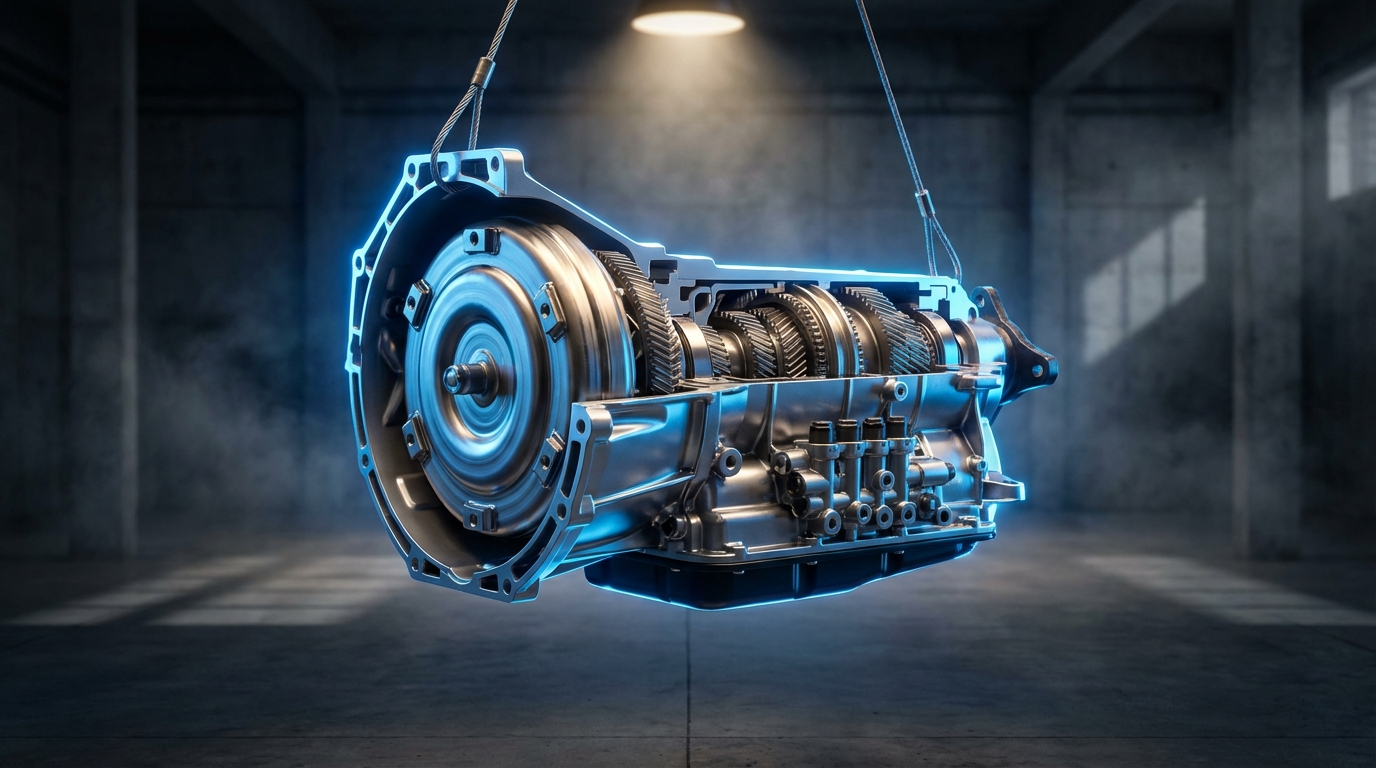
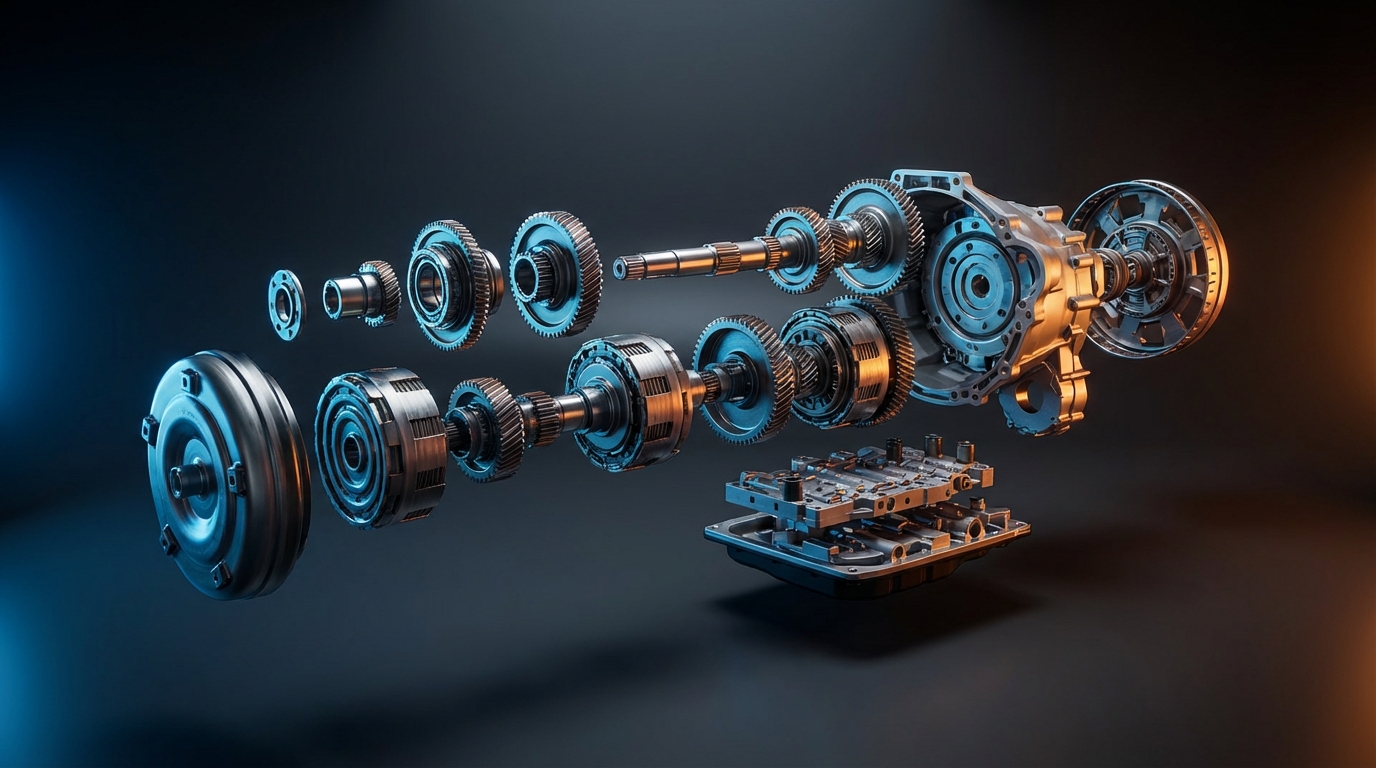
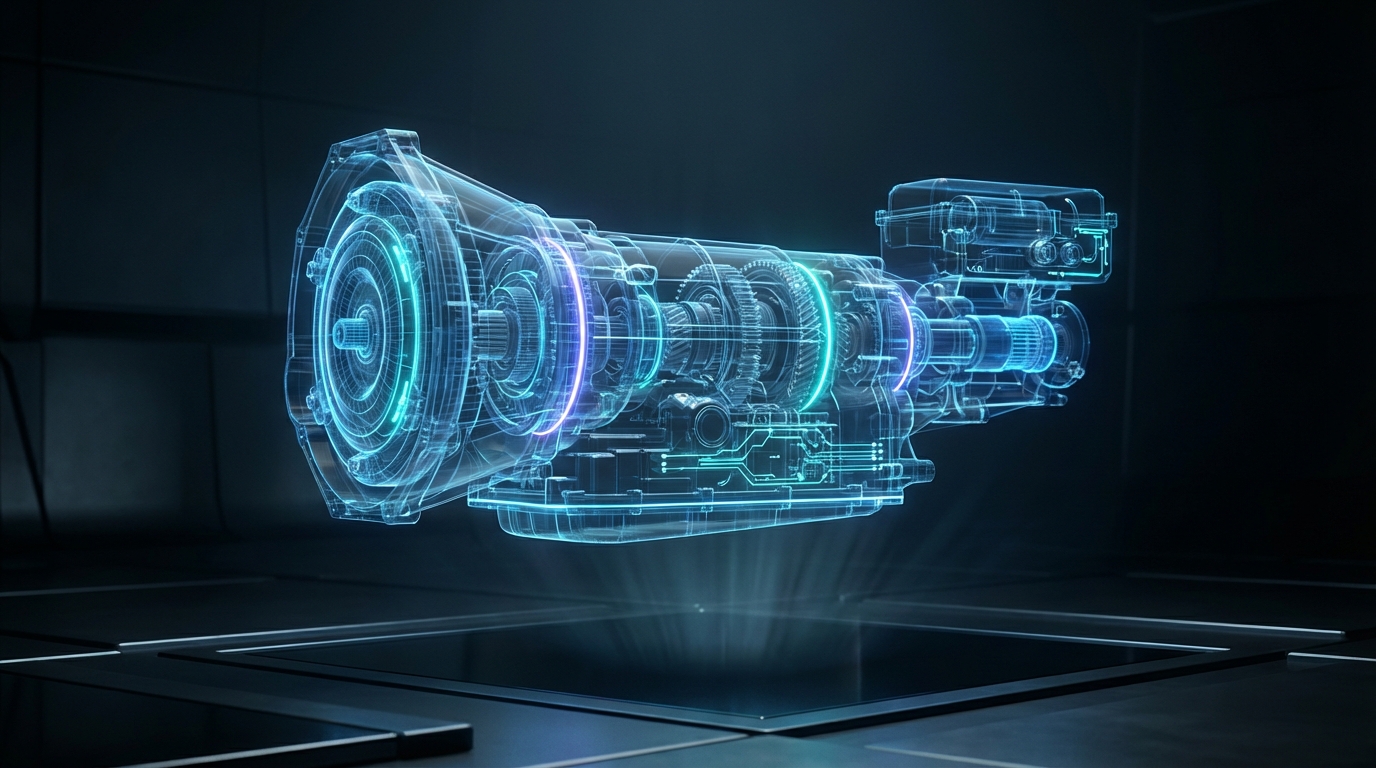
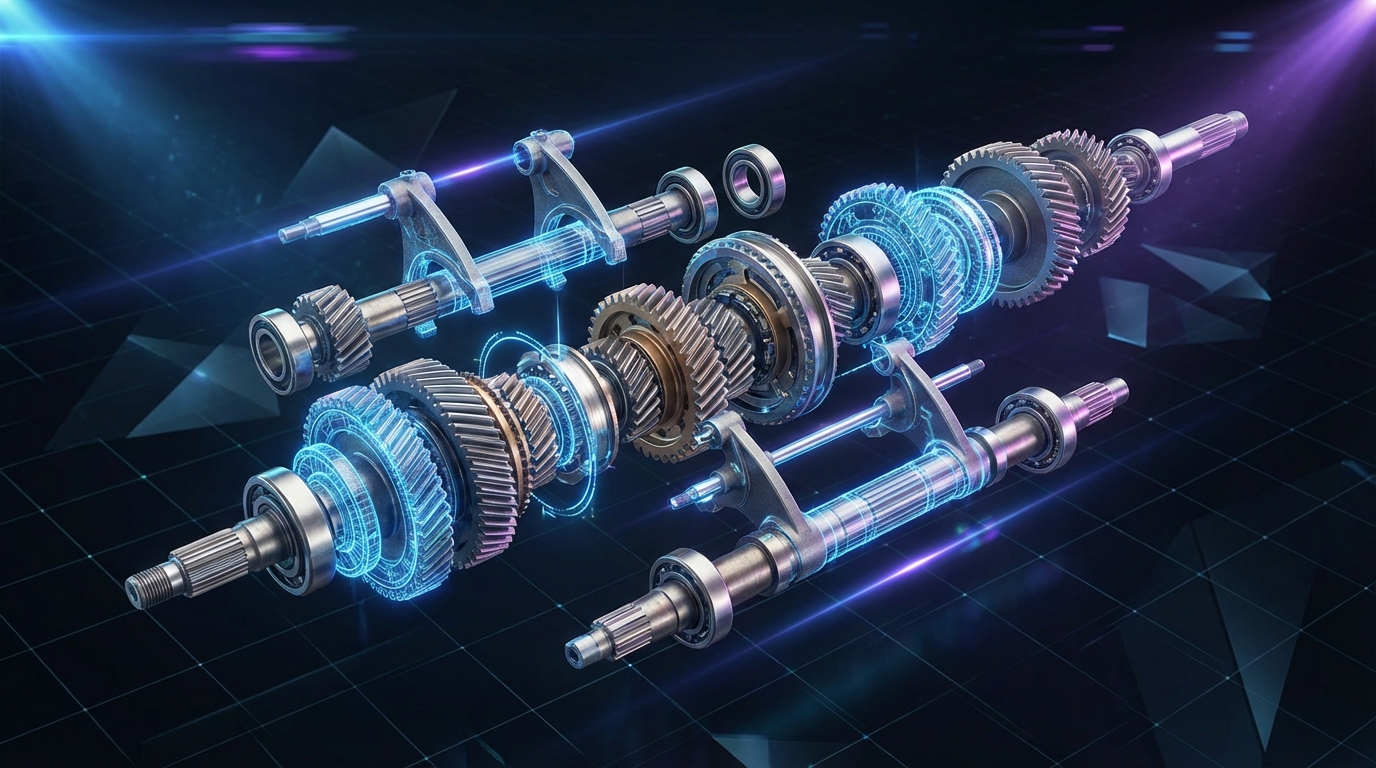
Fourth gear engagement is achieved hydraulically, following the same principle as all automatic-transmission gear changes. The TCM commands specific shift solenoids to direct pressurized ATF into the clutch pack or clutch set responsible for fourth gear. The clutch pack compresses, locking the appropriate gear-set elements, and the transmission delivers the fourth-gear ratio to the output shaft.
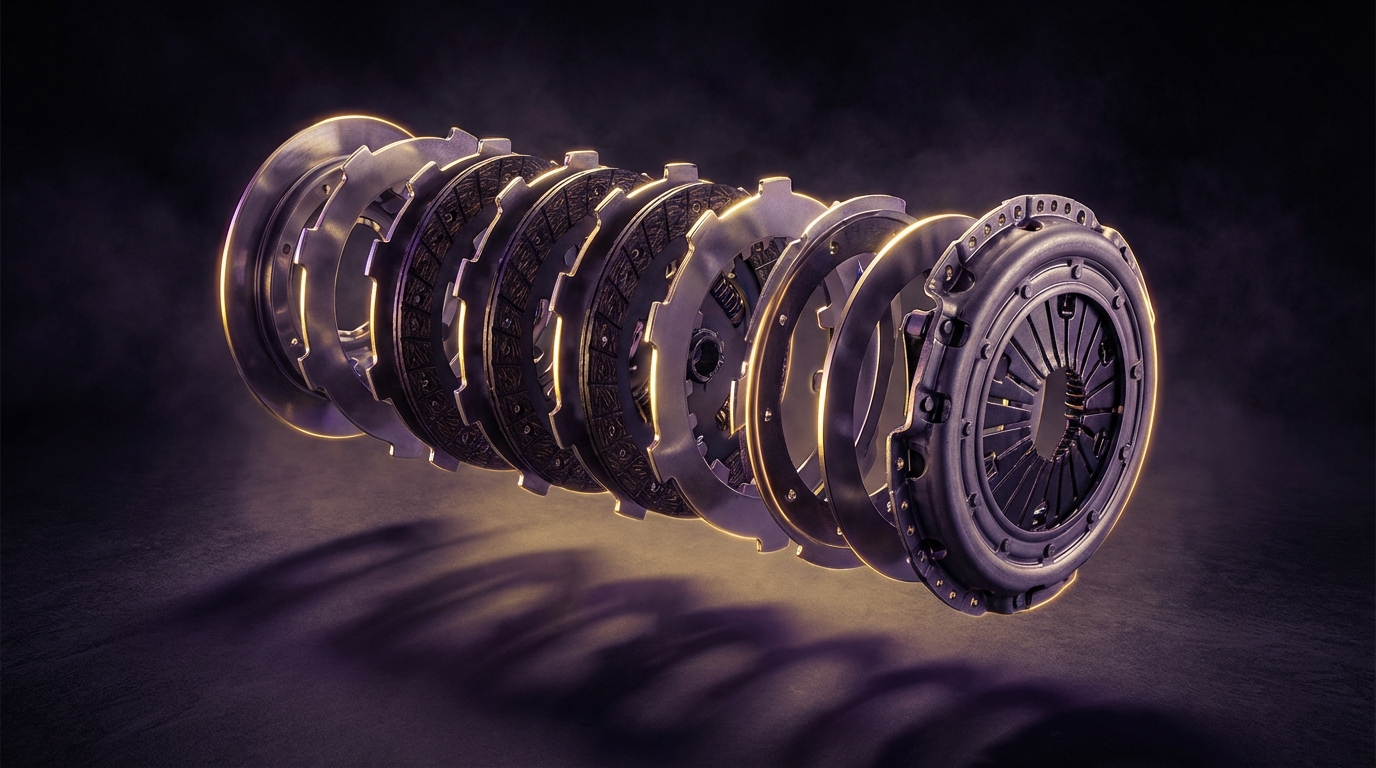
In GM's 4L60E - the transmission most frequently associated with P0734 - fourth gear is engaged by the 3-4 clutch pack inside the input drum. This is the same clutch pack that engages third gear in combination with other elements. The 3-4 clutch pack is compressed against a backing plate by hydraulic pressure routed through the input housing. The Shift Solenoid A (the 1-2/3-4 solenoid) controls the timing of this hydraulic command. When the clutch pack fully engages, the input and output shafts spin in an overdrive ratio (0.696:1), reducing engine RPMs at cruising speeds.
A critical design detail makes the 4L60E's 3-4 clutch pack particularly vulnerable: the factory backing plate is thin and flexible. Under hydraulic pressure, this plate deflects slightly, causing uneven clamping force across the friction discs. Over time, the uneven pressure creates localized hot spots that burn the friction material, gradually reducing the clutch's capacity to hold the gear. This is the single most documented internal failure in the 4L60E transmission family and the primary mechanical cause of P0734 on GM trucks and SUVs.
In Chrysler's 45RFE/545RFE/68RFE, fourth gear is the overdrive gear, engaged by the overdrive (OD) clutch pack. In Ford's 5R55, fourth gear is direct drive (1.00:1), engaged through the direct clutch. In Ford's 10R80 10-speed, the CDF clutch drum - the same component implicated in P0733 - also participates in fourth-gear engagement, meaning the well-documented CDF sleeve failure can trigger P0734 on newer Ford trucks and SUVs.
Common Causes of P0734
The causes of P0734 span from simple maintenance items to major internal failures. They are presented from least to most severe.
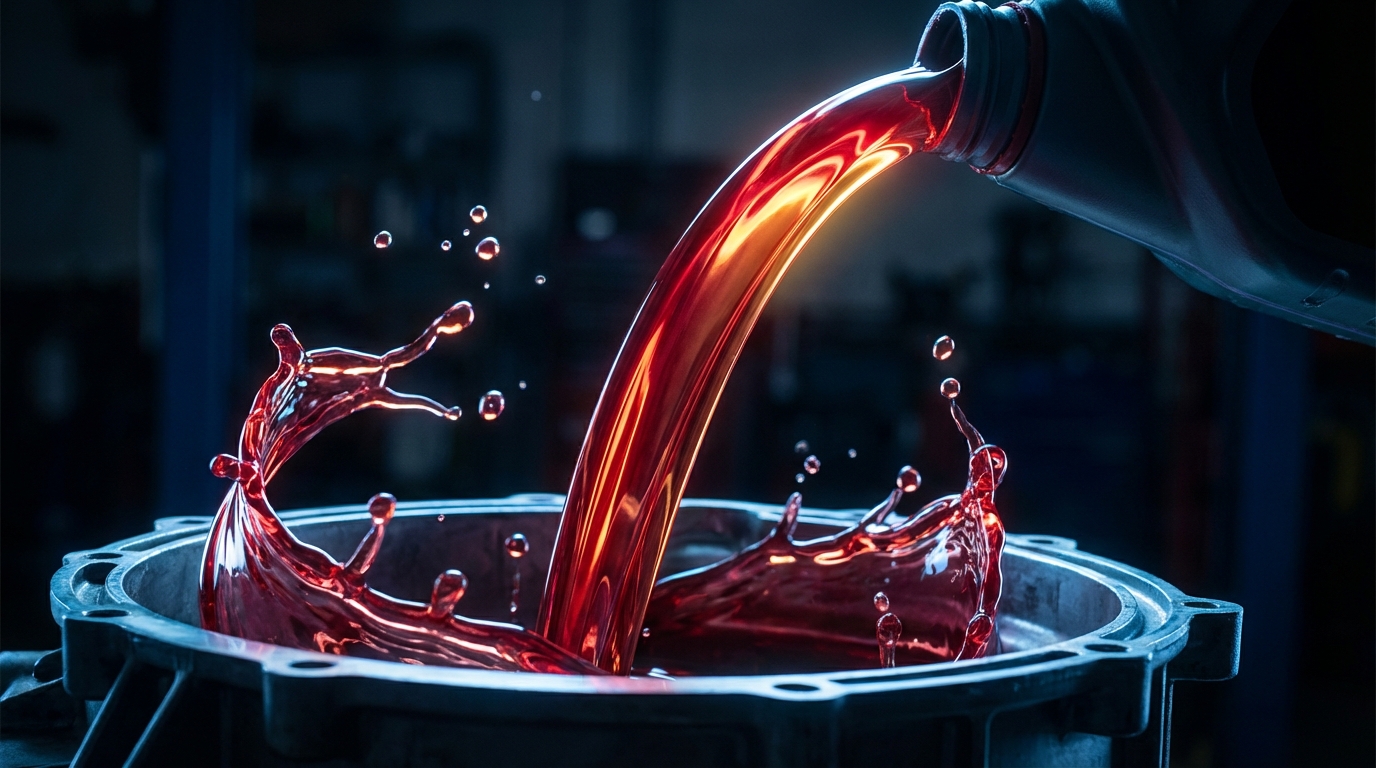
Low or Degraded Transmission Fluid. As with every gear-ratio code, low or degraded fluid is the most common single trigger, accounting for roughly 20-30% of P0734 cases across all makes. Insufficient fluid volume reduces the hydraulic pressure available to fully engage the fourth-gear clutch pack. Degraded fluid loses its friction-modifier properties, reducing the clutch's ability to grip. Dark, burnt-smelling fluid with metallic particles on the drain-pan magnet is a clear indicator of internal damage beyond what fresh fluid can resolve.
Clogged Transmission Filter. A restricted filter starves the pump, reducing line pressure system-wide. Because fourth gear often operates at lower apply pressures than lower gears (the vehicle is already in motion, so less torque multiplication is needed), it is sometimes the first gear to slip when system pressure drops marginally.
Faulty Shift Solenoid. Shift Solenoid A on GM 4L60E transmissions controls both the 1-2 and 3-4 shifts. A sticking, clogged, or electrically failed Solenoid A can prevent the fourth-gear hydraulic command from being delivered. On Ford 5R55 transmissions, the shift solenoids are checked in a different sequence. Solenoid replacement should be quoted after scan data, electrical testing, and pan inspection confirm the fault.
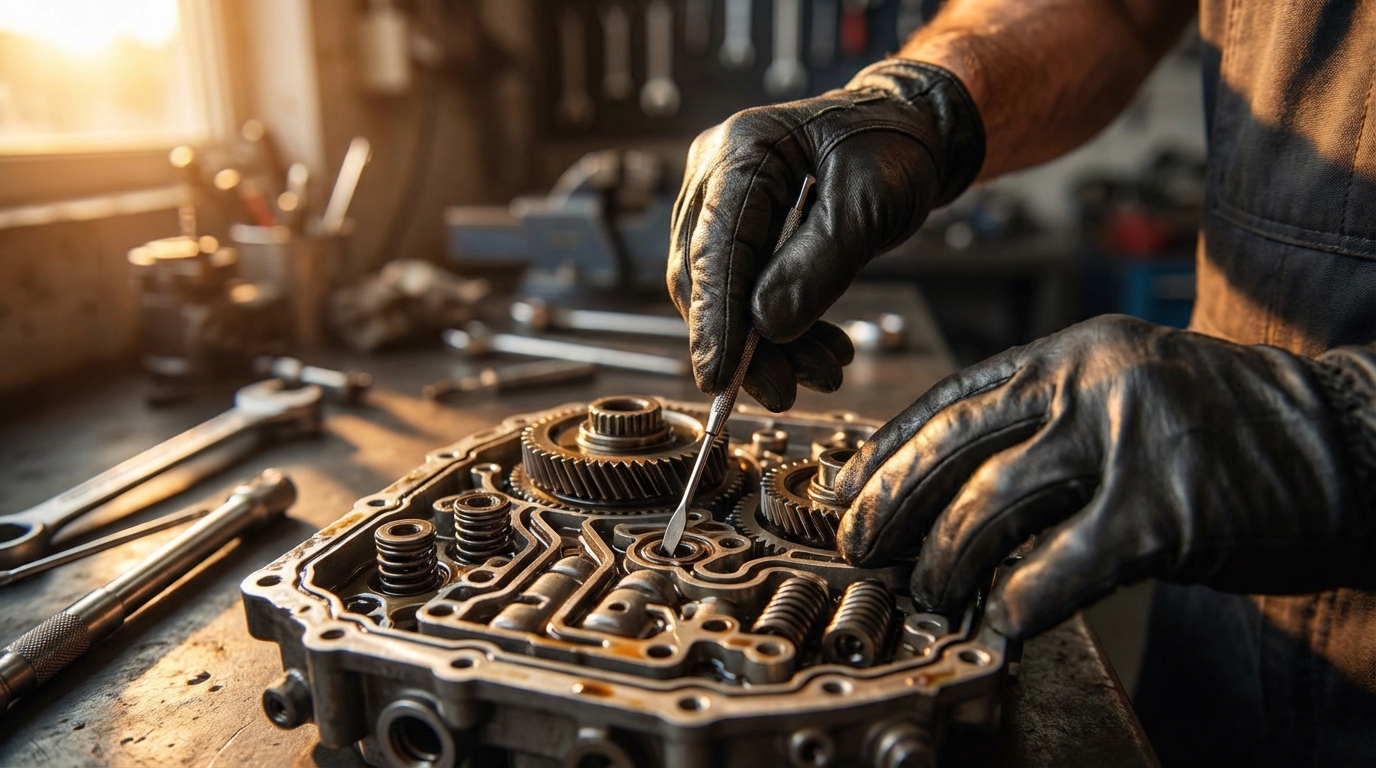
Worn or Failed 3-4 Clutch Pack (GM 4L60E/4L65E). This is the single most common mechanical cause of P0734 on GM trucks and SUVs and is so well-documented that aftermarket companies have developed specific upgraded parts to prevent recurrence. The failure progression is predictable: the flexible factory backing plate allows uneven clamping, the friction discs develop hot spots and burn, friction material sheds into the fluid, and the clutch can no longer hold fourth gear. By the time P0734 is stored, the clutch is usually substantially damaged. Confirmation comes from finding excessive gray or black clutch material in the transmission pan. The repair requires a transmission rebuild, ideally with an upgraded heavy-duty backing plate (such as Sonnax 74140-01K) and high-quality friction plates. A real-world cautionary tale from a transmission shop video documented a 4L60E rebuilt only 4,000 miles earlier that returned with P0734 - the cause was a 3-4 accumulator piston installed upside down during the prior rebuild, creating a pressure leak in the fourth-gear apply circuit. The clutch pack itself was not yet burned, proving that even competent rebuilds can fail if assembly procedures are not meticulously followed.
Hardened 3-4 Clutch Apply Piston Seals. A subtler but critical failure that often causes rebuilds to fail is the bonded rubber seals on the 3-4 clutch apply piston inside the input drum. Over time, these seals harden, shrink, and crack, allowing hydraulic pressure to leak past the piston. The reduced clamping force causes the clutches to slip and burn. A technician who replaces only the burnt clutch discs without also replacing the hardened piston seals will see the vehicle return with the same failure - the root-cause pressure leak was never addressed.
Valve-Body Wear or Contamination. The valve body directs fluid to the correct clutch circuit through precisely machined bores and spool valves. On GM 4L60E transmissions, the TCC regulator valve bore and isolator valve bore are documented wear points. As aluminum bores wear, fluid cross-leaks between circuits, reducing the pressure available to apply the 3-4 clutch pack. The GM-specific code P1870 (Transmission Component Slipping) frequently accompanies P0734 and specifically points to this valve-body issue. Sonnax and other aftermarket companies produce oversized valve kits to permanently address the worn bores. Valve-body rebuild or replacement.
CDF Clutch Drum Sleeve Failure (Ford 10R80). On 2018-2022 Ford F-150, Expedition, Explorer, and Lincoln Navigator models with the 10R80 10-speed transmission, P0734 can be caused by the same CDF clutch drum sleeve failure documented in the P0733 article. The sleeve slides out of position, uncovering hydraulic passages and causing a major internal pressure leak. Ford TSBs 24-2254 and 23-2250 address this issue. Repair requires partial transmission rebuild with the updated CDF drum (OEM #JL3Z-7H351-B).
Worn Overdrive Clutch Pack (Chrysler 45RFE/545RFE/68RFE). On Chrysler/Dodge/Ram trucks, the overdrive clutch pack handles fourth gear. A JustAnswer thread for a 545RFE noted: "Code P0734 indicates incorrect fourth gear ratio, often caused by worn clutch packs or solenoid issues." When the OD clutch pack wears, the transmission cannot hold fourth gear. A Ram forum post described a - quote for a rebuilt transmission after P0734 on a Ram 1500.
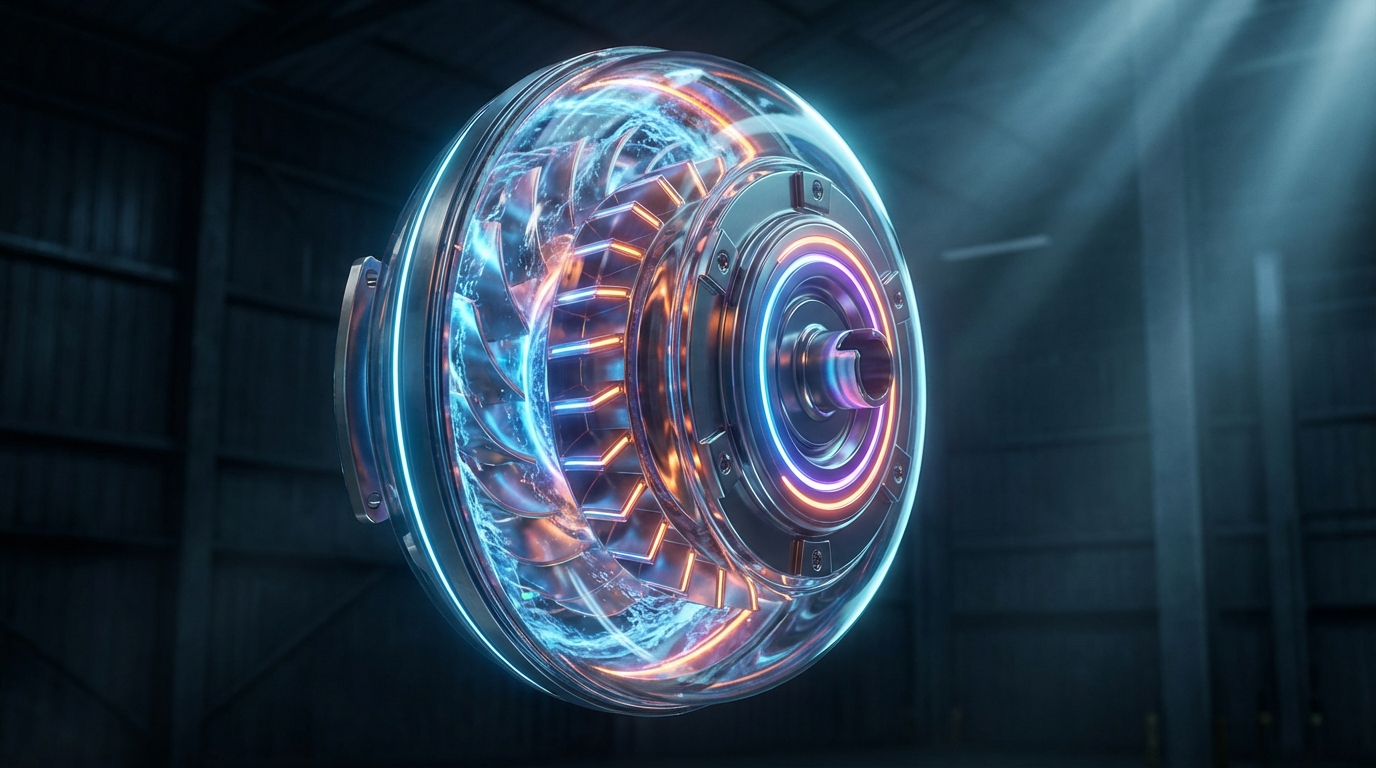
Torque-Converter Internal Failure. A failing torque converter sheds friction material that contaminates the entire hydraulic system, clogging solenoids and valve-body passages. While not a fourth-gear-specific failure, the resulting pressure losses often manifest first in the higher gears where apply pressures are lowest.
Input or Output Speed Sensor Malfunction. A faulty ISS or OSS feeding incorrect speed data to the TCM can make the computer believe fourth gear is slipping when mechanical engagement is actually fine. A YouTube video documented a successful P0734 fix by replacing both input and output speed sensors - though the heavy metallic debris found on the old sensor tips suggested internal damage that would likely cause the code to return.
Symptoms Chicago Drivers Will Notice
The most common symptom is a failure to shift into fourth gear altogether, leaving the transmission stuck in third. On a 4-speed automatic like the 4L60E, this means the engine revs at 3,000+ RPM at highway speeds instead of settling into the 1,800-2,000 RPM range of overdrive. The increased RPMs are immediately audible, and fuel economy drops 15-25%. On a long I-90 or I-94 commute, this translates to a noticeable and costly increase in fuel consumption.
When the transmission does attempt fourth gear, a flare or slip is the telltale sign. Engine RPMs rise momentarily - the tachometer jumps 200-500 RPM - before the clutch catches. This flare is most noticeable during light-throttle cruising at 45-55 mph, the exact conditions where fourth gear is supposed to provide smooth, fuel-efficient operation.
Harsh or delayed shifting into fourth gear is another hallmark. Instead of a seamless transition, the driver feels a lurch or clunk as the clutch pack engages late. Some drivers report the transmission "hunting" between third and fourth - shifting up, slipping, falling back to third, then attempting fourth again.
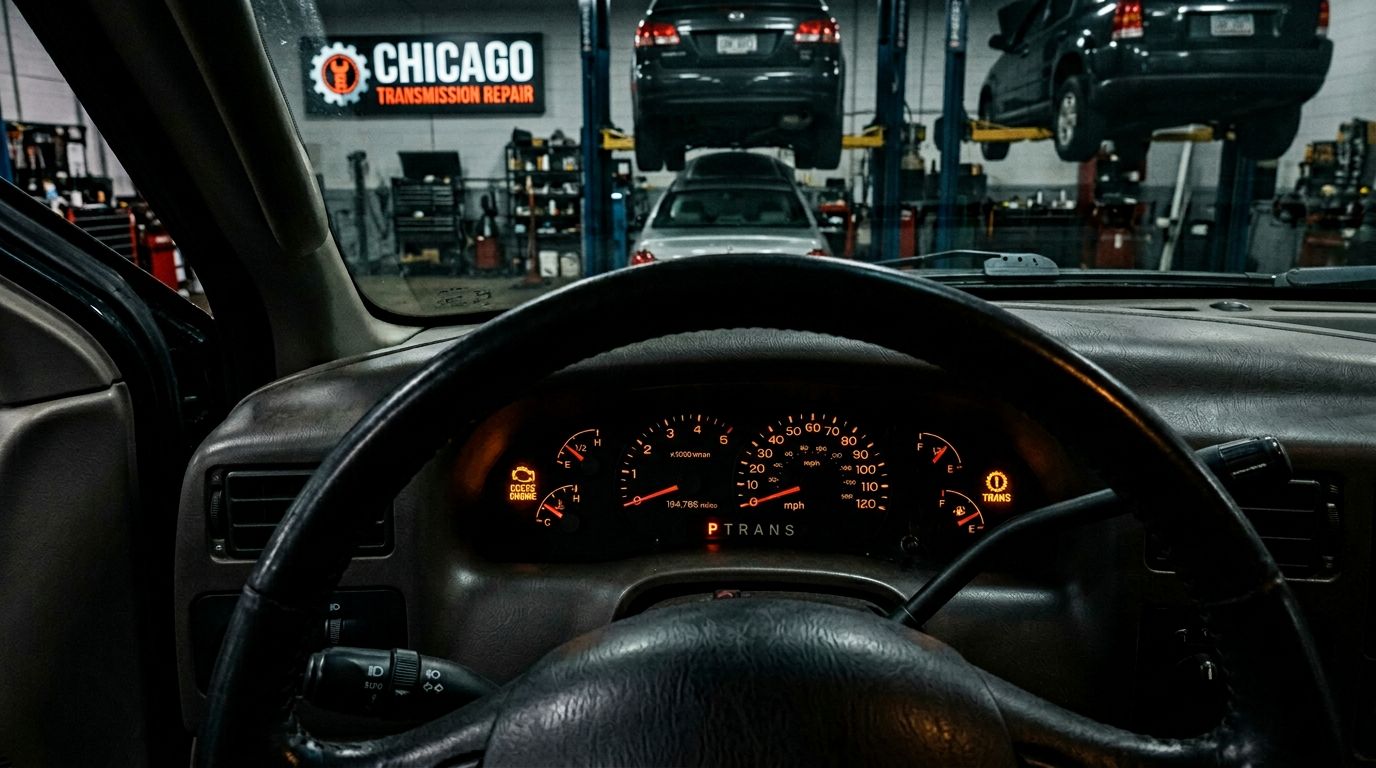
In more advanced cases, the TCM may disable fourth gear entirely and keep the transmission in third, or it may activate limp mode, restricting the vehicle to a single gear and limiting speed. The check-engine light illuminates, and on some vehicles a separate transmission warning light appears.
Reduced fuel economy is a persistent symptom even when the slip is intermittent. Because fourth gear is the primary cruising gear on 4-speed transmissions and a frequently used mid-range gear on 6- and 10-speed transmissions, any inconsistency in its engagement directly impacts highway fuel efficiency.
Can You Drive With P0734?
Yes, for a limited distance - but with consequences. If the transmission simply refuses to shift into fourth gear and stays in third, the vehicle is fully drivable on surface streets. Highway driving at higher RPMs is possible but accelerates heat buildup, increases fuel consumption, and stresses the engine and cooling system.
If fourth gear is slipping (flare, shudder, intermittent engagement), continued driving is damaging. Each slip event generates heat in the clutch pack, burning the friction material further, shedding debris into the fluid, and contaminating the valve body and solenoids. The Go-Parts guide warns: "Continued driving with a slipping transmission generates excessive heat and friction, which will cause more severe and expensive internal damage to other components."
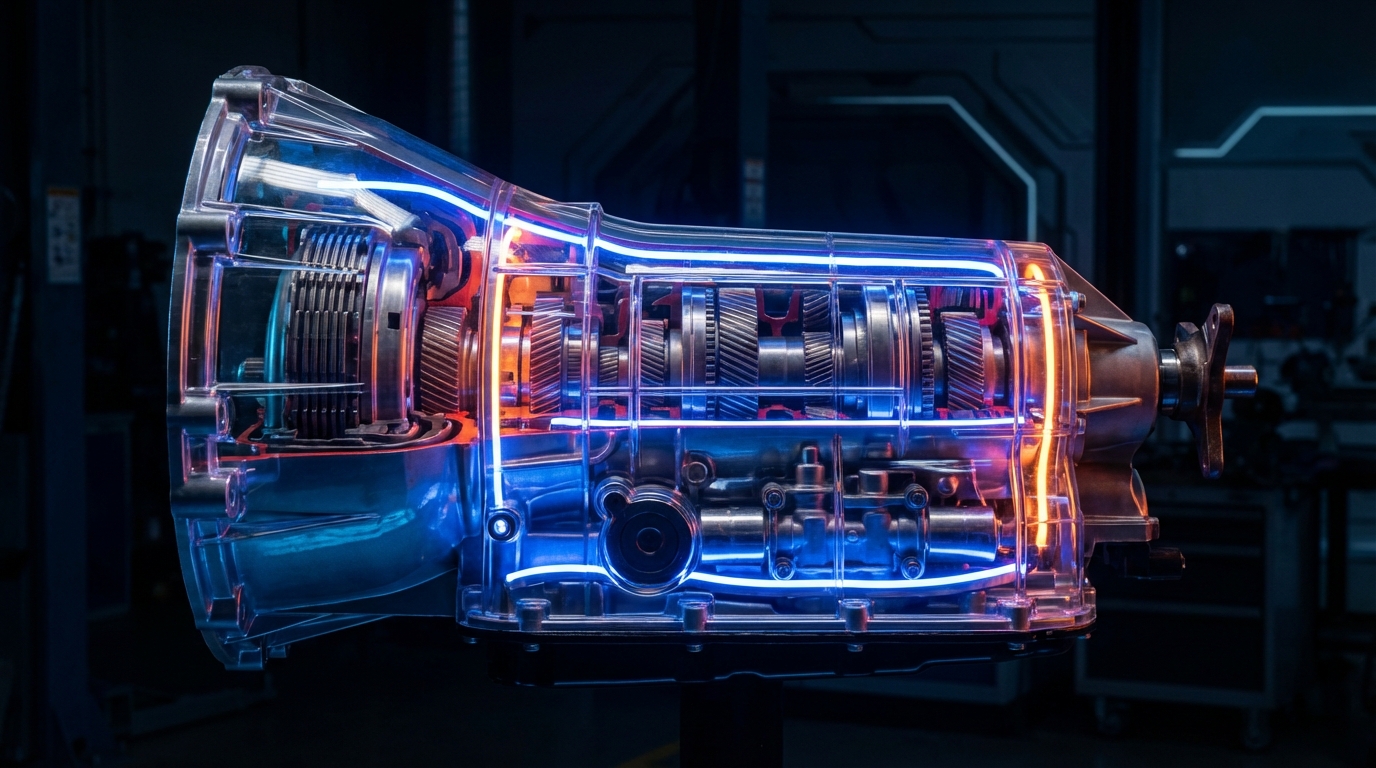
The practical recommendation: drive to a shop on surface streets, avoid the expressway, and do not tow or carry heavy loads. If the transmission has entered limp mode or is exhibiting violent shifting behavior, tow it.
Step-by-Step Diagnosis
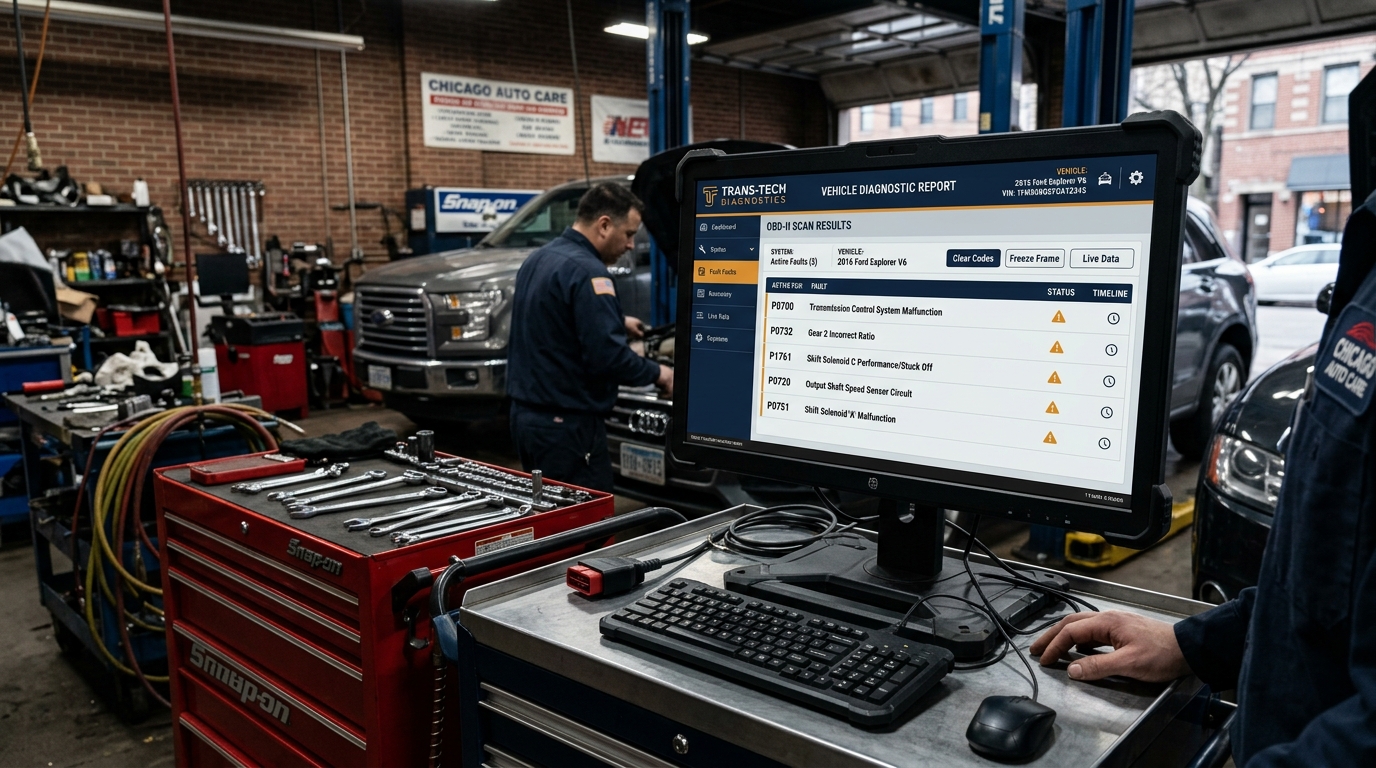
Connect a professional OBD-II scanner and retrieve all stored and pending codes along with freeze-frame data. Note whether P0734 appears alone or alongside P0733 (which would confirm a shared 3-4 clutch pack failure on GM platforms), other gear-ratio codes (indicating systemic pressure loss), or specific solenoid codes (P0751, P0756).
Inspect the transmission fluid. Check level per the manufacturer's specified procedure. Evaluate color, smell, and particulate content. Excessive gray or black clutch material in the pan confirms internal friction-element deterioration. Metallic glitter suggests torque-converter failure.
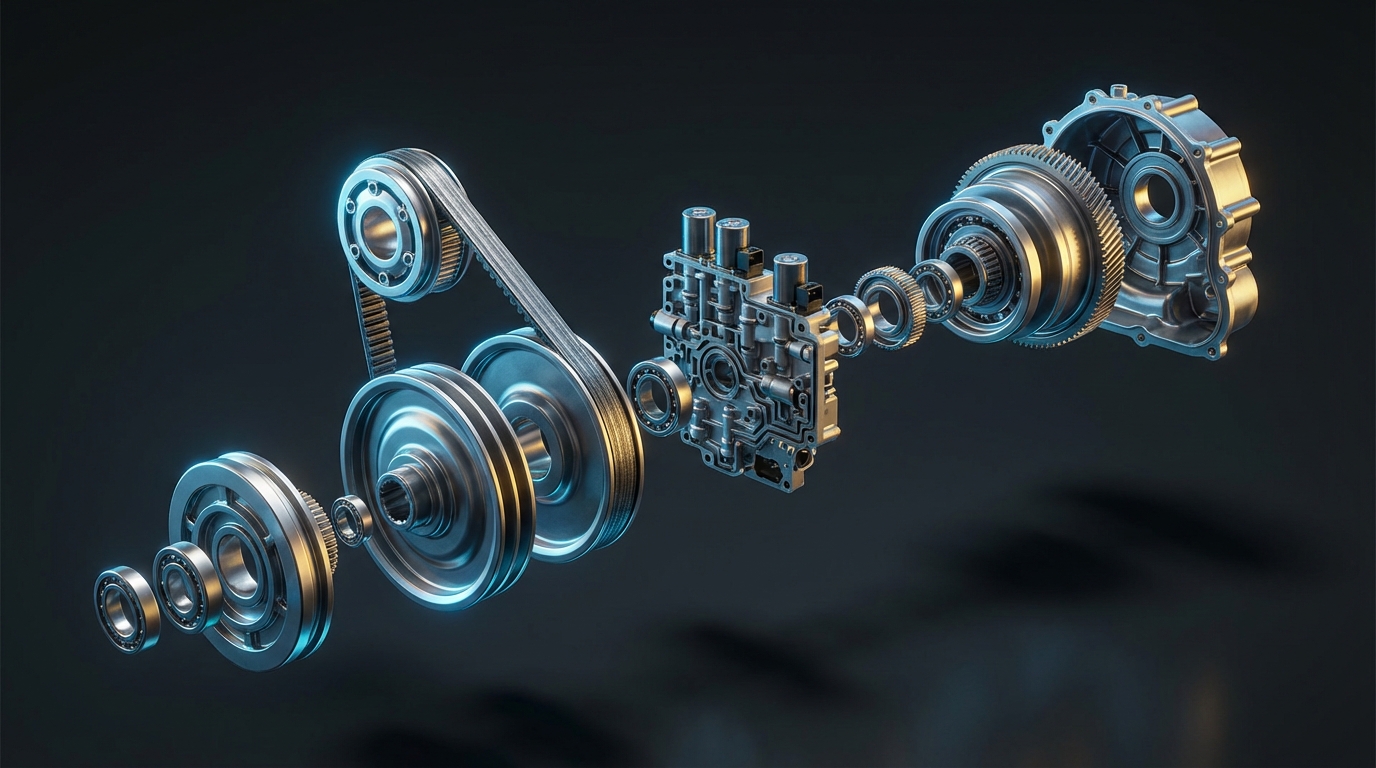
With a scan tool capable of live data, monitor the ISS and OSS readings during a test drive. Calculate the actual ratio in fourth gear (ISS RPM ÷ OSS RPM) and compare to the manufacturer's specified fourth-gear ratio. On a GM 4L60E, the expected ratio is approximately 0.696:1 - so if the input speed is 1,400 RPM, the output speed should be approximately 2,010 RPM. A deviation greater than 5% under load confirms the slip. Watch for RPM flare during the 3-4 shift event.
If the fluid is degraded but the pan shows no severe debris, perform a drain-and-fill with the manufacturer-specified fluid (DEXRON-VI for GM, ATF+4 for Chrysler, MERCON LV/ULV for Ford), replace the filter, and retest. This resolves approximately 15-20% of cases.
If the code persists after fresh fluid, test the shift solenoids. Command Solenoid A on and off via bidirectional scan tool and monitor the transmission's response. Measure coil resistance: GM 4L60E solenoids 20-40 Ω, EPC solenoid 3.5-8 Ω.
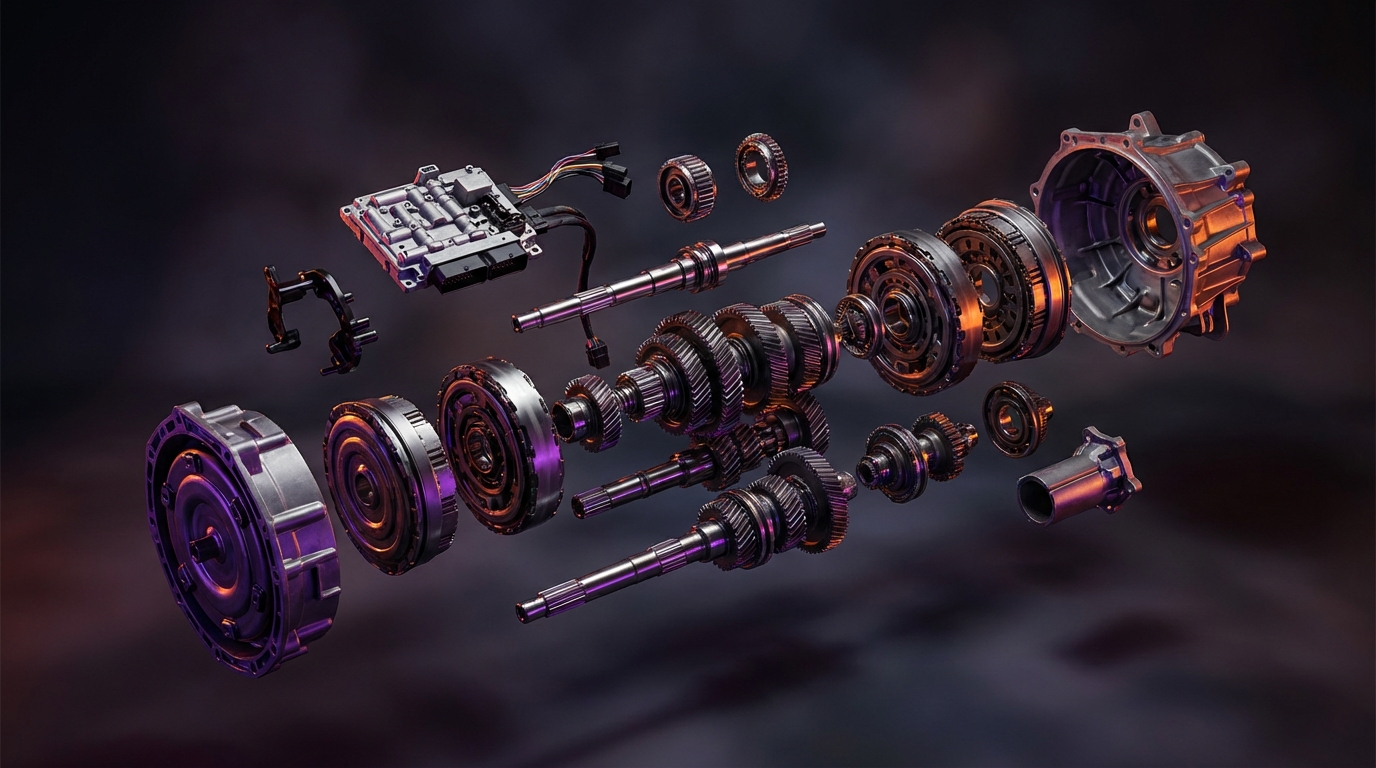
Perform a line-pressure test. On GM 4L60E, expected idle pressure in Drive is 55-70 PSI; at WOT stall, minimum 170-190 PSI. Using the scan tool's PCS (Pressure Control Solenoid) test function, command the EPC to 0.1 amps and verify that the transmission produces 165-185 PSI. Pressure significantly below the chart value for a given commanded amperage indicates a hydraulic leak, not an electrical issue.
Drop the transmission pan and inspect for debris. Fine gray sludge is normal; heavy black grit confirms clutch-pack deterioration; metallic chunks signal catastrophic mechanical failure. If performing a rebuild, air-check the 3-4 clutch apply passages in the input drum to verify seal integrity before reassembly - this single step prevents the most common cause of repeat failure.
Repair Cost Summary - Chicago Rates

A transmission fluid and filter service resolves the problem in approximately 15-20% of cases when low or degraded fluid is the confirmed cause. Shift solenoid replacement should be quoted after diagnosis and access confirmation. Valve-body rebuild with oversized valve kits, such as Sonnax TCC regulator bore repair, depends on wear findings.
For the most common outcome on GM 4L60E/4L65E - a failed 3-4 clutch pack requiring a rebuild - the repair is significant. A proper rebuild includes a master kit with clutch packs, bands, seals, and gaskets, plus careful inspection of hard parts. During any rebuild, specifying an upgraded heavy-duty 3-4 backing plate (Sonnax 74140-01K or equivalent) and high-quality friction plates adds value because it dramatically reduces the risk of repeat failure.
For Ford 10R80 models with CDF drum failure, scope depends on whether the valve body is also damaged. For Chrysler 545RFE/68RFE models, a rebuild or remanufactured replacement may be needed if clutch damage is confirmed.

Speed sensor replacement, when the sensors themselves are the cause, should be quoted after diagnosis and access confirmation.
Vehicles Most Commonly Affected
GM trucks and SUVs with 4L60E and 4L65E transmissions are the most commonly affected vehicles for P0734. This includes Silverado, Sierra, Tahoe, Suburban, Yukon, Trailblazer, Envoy, Camaro, and others from the late 1990s through mid-2010s. The 3-4 clutch pack failure is so prevalent in this family that it has spawned an entire aftermarket industry of upgraded components specifically designed to address the weakness.
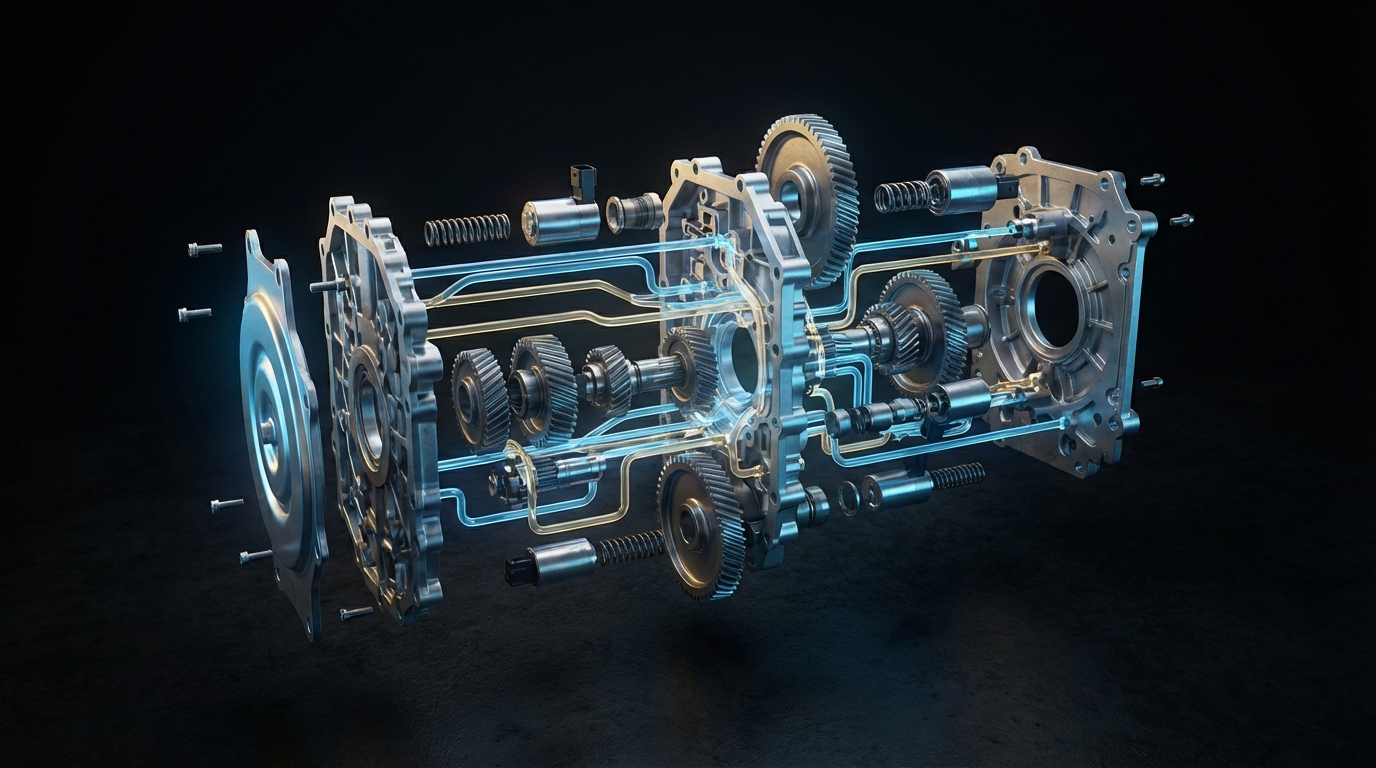
Ford Explorer and Ranger models with the 5R55W/5R55S transmission set P0734 from direct-clutch failure and shift-solenoid issues. An ExplorerForum thread discussing P0734 alongside P0733 noted: "In the 5R55W a P0734 code indicates a lack of 4th gear. First level of checking is the shift solenoids." Newer Ford F-150, Expedition, Explorer, and Lincoln Navigator models with the 10R80 10-speed share the CDF clutch drum failure pattern.
Chrysler/Dodge/Ram trucks with 45RFE, 545RFE, and 68RFE transmissions set P0734 from overdrive clutch-pack failure, solenoid issues, and internal blockage. Owner reports often mention P0734 alongside pressure or blockage codes such as P0988, which is why these trucks need scan data, pan inspection, and hydraulic testing before anyone quotes a rebuilt transmission installation.
Honda Accord models, particularly 2012-2017 models with CVT-like or traditional automatic transmissions, have documented P0734 occurrences. A YouTube video specific to the 2012-2017 Accord diagnosed P0734 and its fourth-gear ratio error.
Chicago-Specific Factors That Contribute to P0734
Cold weather thickens transmission fluid, reducing its ability to pressurize the fourth-gear clutch pack. Because fourth gear often operates at lower apply pressures than lower gears, it is particularly sensitive to the pressure reduction caused by cold, viscous fluid. Chicago drivers on long expressway commutes during winter may notice the transmission hesitating or hunting during the 3-4 shift on cold mornings, settling into normal operation only after 10-15 minutes of driving.
Fourth gear is the primary highway cruising gear on 4-speed transmissions, meaning Chicago's expressway commuters spend the majority of their driving miles with the 3-4 clutch pack engaged under load. The combination of sustained engagement time and the high shift-cycle count from expressway traffic patterns (accelerate, cruise, slow, repeat through construction zones) creates an unusually demanding duty cycle for the clutch pack.
Summer heat waves push fluid temperatures past 200 degrees F during slow expressway traffic, accelerating the oxidation and breakdown of the fluid's friction modifiers. The 3-4 clutch pack, already the weakest link in the 4L60E, is the first component to suffer when fluid quality degrades.
Road-salt corrosion of the transmission case connector and solenoid wiring can cause intermittent electrical failures that mimic mechanical slip. Potholes transmit shock loads that can damage the valve body's precision-machined bores.
Prevention Tips for Chicago Drivers
Regular fluid and filter changes every 25,000-35,000 miles (20,000 if towing or doing heavy expressway commuting) are essential. Use only the manufacturer-specified fluid type.
For GM 4L60E trucks - the vehicles most susceptible to P0734 - proactive upgrades during any transmission service can significantly extend life. If the pan is being dropped for a fluid and filter change, have the solenoids inspected and, if high mileage (100,000+ miles), replaced preventively. If a rebuild is ever performed for any reason, always specify an upgraded 3-4 backing plate, high-quality friction plates, and new bonded piston seals. These upgrades add modest cost compared with a repeat failure and address the factory's most documented design weakness.
Install an auxiliary transmission cooler and temperature gauge on vehicles used for towing or heavy expressway commuting. Keeping fluid temperature below 200 degrees F under all conditions dramatically extends clutch-pack life. A temperature gauge also serves as an early warning system - a gradual rise in normal operating temperature can signal a developing problem.

Address the first signs of fourth-gear slip immediately. A slight RPM flare during the 3-4 shift, a faint shudder at cruising speeds, or an intermittent harsh engagement are all early warnings. At this stage, a fluid service and solenoid inspection may be sufficient. Every additional mile driven with a slipping clutch pack generates heat and debris that accelerates the failure cascade.
Clean and apply dielectric grease to the transmission case connector annually after winter to combat road-salt corrosion.
Frequently Asked Questions
What exactly is P0734 in plain language? Your transmission is slipping in fourth gear. The computer compared the engine's speed to the wheel speed and determined that fourth gear is not fully engaged - the power is not being transferred to the wheels as expected.
How serious is P0734? Moderately to very serious. At minimum, you lose fuel-efficient cruising, and the engine runs at higher RPMs on the highway. At worst, P0734 signals a failed 3-4 clutch pack that requires a full transmission rebuild. Driving with a slipping clutch pack accelerates damage to other components.
Can a simple fluid change fix P0734? In roughly 15-20% of cases, yes. If the fluid is dark but the pan shows only fine normal-wear sludge, a drain-and-fill with a fresh filter can restore adequate pressure. If the fluid contains heavy black clutch material or metallic debris, the damage has progressed past what fresh fluid can fix.
Why do P0733 and P0734 often appear together? On GM 4L60E transmissions, the same 3-4 clutch pack is used for both third and fourth gear (in combination with different other elements). When this clutch pack fails, both third and fourth gear are affected, producing both codes. Seeing P0733 and P0734 together on a 4L60E is essentially a confirmation that the 3-4 clutch pack is the problem.
What is the typical repair cost for P0734? Fluid service: quoted after diagnosis. Solenoid replacement: quoted after diagnosis. Valve-body repair: quoted after diagnosis. Full transmission rebuild (the most common outcome for mechanical P0734): quoted after diagnosis. Remanufactured transmission: quoted after diagnosis.
Is P0734 a DIY repair? Fluid checks, sensor replacement, and solenoid swaps (on 4L60E) are moderate DIY jobs. A transmission rebuild is a shop-level repair requiring specialized tools, a clean environment, and considerable expertise. Incorrect assembly - as demonstrated by the case of the upside-down accumulator piston - can cause immediate repeat failure.
Which vehicles get P0734 most often? GM trucks and SUVs with 4L60E/4L65E (3-4 clutch pack failure), Ford Explorers with 5R55 (direct clutch/solenoid issues), Ford F-150/Expedition/Navigator with 10R80 (CDF drum failure), Chrysler/Ram trucks with 45RFE/545RFE/68RFE (overdrive clutch failure), and Honda Accords.
Can I just drive in third gear and avoid fourth? Some drivers use the manual shift mode or the overdrive-off button to prevent the transmission from attempting fourth gear. While this avoids the slip event, it does not fix the underlying cause, increases fuel consumption and engine wear, and - if the clutch pack is shedding debris - allows contamination to spread through the system. It is a temporary measure for getting to a shop, not a long-term solution.
SEO & Content Notes
Long-tail keywords: P0734 4L60E 3-4 clutch pack, P0734 backing plate upgrade Sonnax, P0734 Ford 10R80 CDF drum, P0734 545RFE overdrive clutch, P0734 cold weather highway
Internal link targets: P0700, P0715, P0720, P0730, P0731, P0732, P0733, P0740, P0741, P0742, P0750, P0751, P0756
Schema markup: FAQPage (8 Q&A pairs), HowTo (diagnosis steps), Article
H2 sections: 12
Series Progress - 19 of 50 Articles Complete
| # | Code | Title | Status |

|---|------|-------|--------|
| 1 | P0700 | Transmission Control System Malfunction | Done |
| 2 | P0730 | Incorrect Gear Ratio | Done |

| 3 | P0740 | Torque Converter Clutch Circuit Malfunction | Done |
| 4 | P0741 | TCC Circuit Performance / Stuck Off | Done |
| 5 | P0715 | Input/Turbine Speed Sensor Circuit Malfunction | Done |
| 6 | P0720 | Output Speed Sensor Circuit Malfunction | Done |
| 7 | P0750 | Shift Solenoid "A" Malfunction | Done |
| 8 | P0755 | Shift Solenoid "B" Malfunction | Done |

| 9 | P0218 | Transmission Over-Temperature | Done |
| 10 | P0780 | Shift Malfunction | Done |
| 11 | P0706 | Transmission Range Sensor Circuit | Done |
| 12 | P0613 | TCM Processor Error | Done |
| 13 | P0742 | TCC Circuit Stuck On | Done |
| 14 | P0751 | Shift Solenoid "A" Performance / Stuck Off | Done |
| 15 | P0756 | Shift Solenoid "B" Performance / Stuck Off | Done |
| 16 | P0733 | Gear 3 Incorrect Ratio | Done |
| 17 | P0732 | Gear 2 Incorrect Ratio | Done |

| 18 | P0731 | Gear 1 Incorrect Ratio | Done |
| 19 | P0734 | Gear 4 Incorrect Ratio | Done |
| 20 | P0705 | Transmission Range Sensor Circuit Malfunction | Next |

| 21 | P0744 | TCC Circuit Intermittent | Queued |
| 22 | P0614 | ECM/TCM Incompatibility | Queued |
| 23-50 | - | Remaining Tier 3-5 codes | Queued |
Have a Transmission Problem?
Get a Diagnosis-first inspection from Chicago transmission repair support.