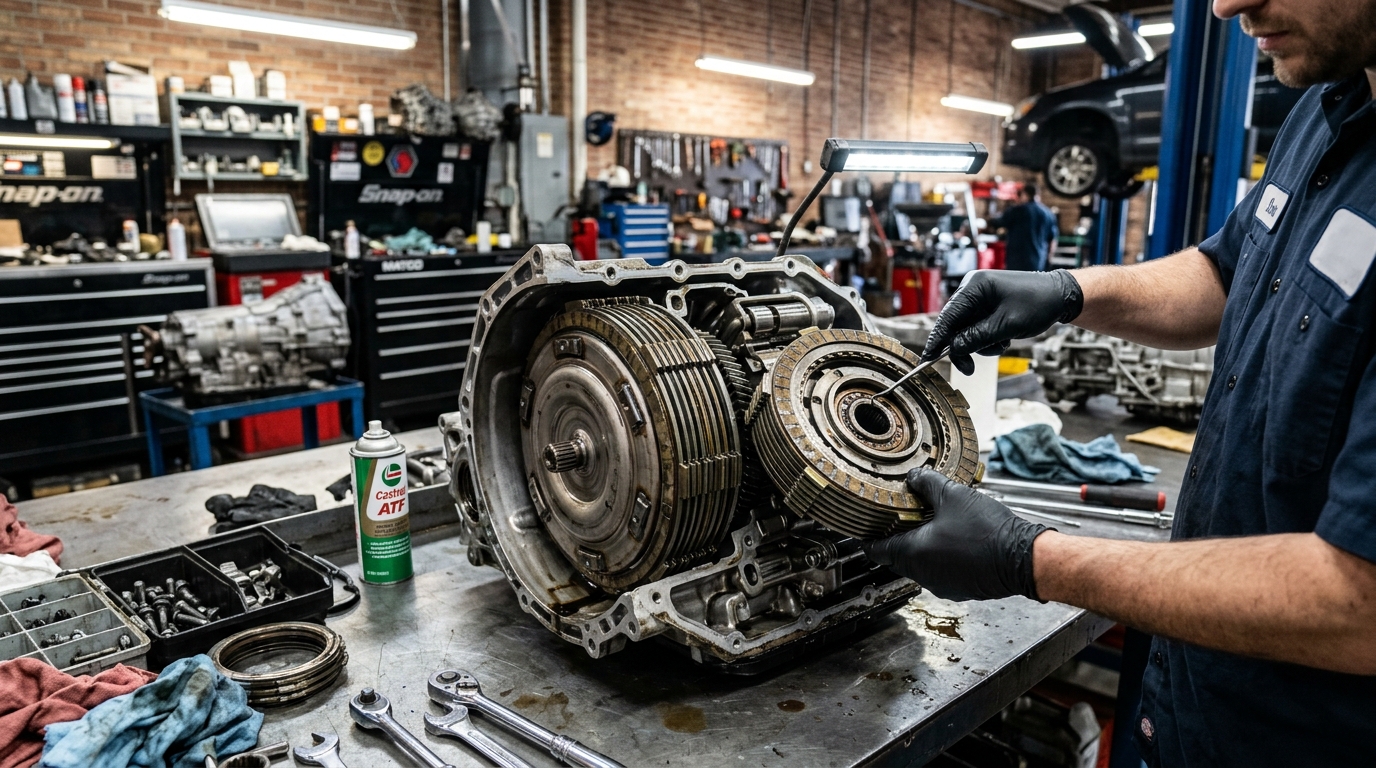
P0742 means your torque converter clutch is stuck engaged, causing stalling, shuddering, and harsh shifts. Learn causes, diagnosis steps, and Chicago-area repair costs.
What Does the P0742 Code Mean?
Diagnostic trouble code P0742 stands for "Torque Converter Clutch (TCC) Circuit Stuck On." It is a generic OBD-II powertrain code that applies to all automatic-transmission vehicles from 1996 onward. The code is set when the transmission control module (TCM) or powertrain control module (PCM) detects that the torque converter's lock-up clutch remains engaged when it should have been released.
In normal operation, the TCC is designed to lock the engine directly to the transmission input shaft at highway cruising speeds, eliminating the small amount of fluid slippage inherent in a torque converter. This improves fuel economy by 3-5% and lowers transmission fluid temperatures. When the driver decelerates or comes to a stop, the TCM commands the TCC solenoid off, hydraulic pressure drops, and the clutch releases so the engine can idle independently of the drivetrain.
When the clutch is stuck on, however, the engine and wheels remain physically linked. The effect is identical to stopping a manual-transmission car without pressing the clutch pedal: the engine RPM is dragged down as the vehicle slows, the engine shudders violently, and it may stall completely. This is the hallmark symptom of P0742 and what makes it one of the more immediately dangerous transmission codes a Chicago driver can encounter - especially when stalling at a busy intersection on Western Avenue or in the middle of a Kennedy Expressway off-ramp.
The TCM confirms the stuck-on condition by monitoring the slip speed between the engine RPM (reported by the crankshaft position sensor) and the transmission input shaft RPM (from the turbine speed sensor). When the TCC is commanded off, the TCM expects to see a measurable speed difference (normal converter slip). If the slip remains at or near zero RPM for a calibrated duration - typically 4-7 seconds across multiple drive cycles - the code is stored and the check-engine light illuminates.
The P0740-P0744 TCC Code Family
P0742 belongs to a tightly related group of torque-converter clutch codes. Understanding where P0742 falls helps a technician determine the failure mode before opening a single bolt.
P0740 is the general TCC circuit malfunction code, indicating a broad fault without specifying whether the clutch is stuck on or off. P0741 means the TCC is stuck off or performing poorly - the opposite of P0742 - so the clutch never engages, fuel economy drops, and the transmission runs hotter. P0742, the subject of this article, indicates the clutch is stuck on, refusing to release. P0743 is a pure electrical fault in the TCC solenoid circuit, pointing to wiring, connectors, or solenoid-coil failure. P0744 flags intermittent TCC operation, where the clutch engages and disengages erratically, producing a shudder or surge at highway speed.
When P0742 appears alone, the issue is usually mechanical or hydraulic - dirty fluid jamming the solenoid valve open, or a worn valve body bore allowing pressure to bypass the solenoid. When P0742 appears alongside P0743 or electrical codes, the fault is more likely a wiring short that holds the solenoid circuit in a constant "on" state. When P0742 appears with P0700, the TCM is simply flagging that a transmission-related fault exists and requesting the check-engine light; P0700 itself provides no additional diagnostic value.
How the Torque Converter Clutch System Works
The torque converter is a sealed, fluid-filled housing bolted between the engine's flexplate and the transmission. Inside are three primary components: the pump (impeller), which is driven by the engine and pushes transmission fluid outward; the turbine, which is connected to the transmission input shaft and is spun by the fluid flow from the pump; and the stator, which redirects returning fluid to multiply torque at low speeds.
At low vehicle speeds, the pump and turbine spin at different rates - this difference is called "slip" and is what allows the engine to keep running while the vehicle is stopped in Drive. However, this slip wastes energy as heat in the fluid. To eliminate this inefficiency at cruising speeds, the TCC lock-up clutch was introduced.
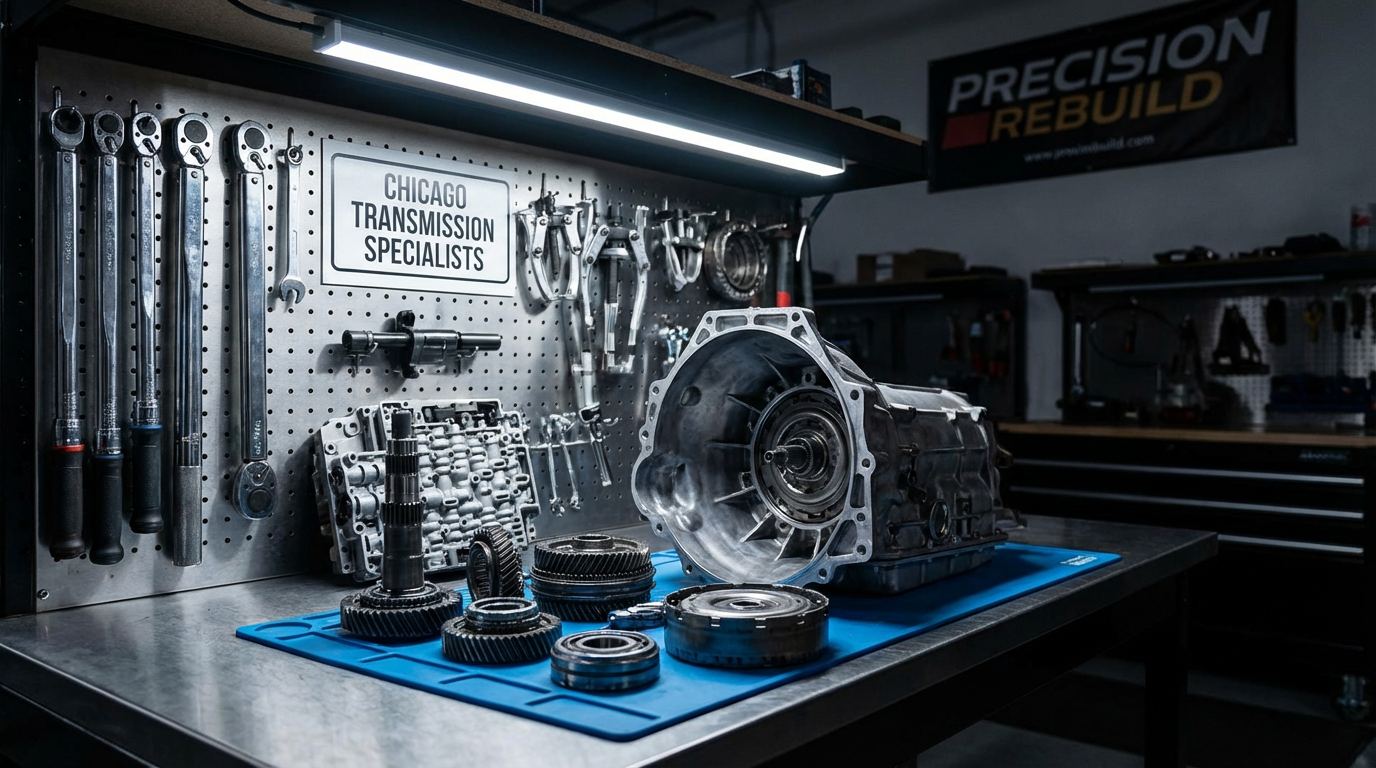
The TCC is a friction disc inside the torque converter that, when hydraulically engaged, physically clamps the turbine to the converter housing. This creates a direct mechanical connection - essentially zero slip - between the engine and the transmission. The engagement is controlled by the TCC solenoid, an electro-hydraulic valve mounted in the transmission's valve body. When the TCM sends a pulse-width-modulated (PWM) electrical signal to the solenoid, it opens a hydraulic pathway that applies fluid pressure to the TCC disc. When the signal is removed, spring pressure and fluid flow release the clutch.
If the solenoid sticks in the open (engaged) position, or if the hydraulic circuit that applies the clutch is held open by debris or wear, the TCC remains locked. The engine is then mechanically tied to the wheels at all times, which is fine at 60 mph but catastrophic at 5 mph.
Common Causes of P0742
The most frequent cause of P0742 is dirty or degraded transmission fluid. As fluid ages, it accumulates friction-material debris, metal particles, and oxidation by-products. These contaminants circulate through the valve body's precision-machined passages and can jam the tiny plunger inside the TCC solenoid in the open position. In Chicago, where stop-and-go traffic on the Dan Ryan or Lake Shore Drive generates enormous heat cycles, fluid degrades faster than in low-traffic environments. A fluid-and-filter change every 30,000 miles is the single best defense against this failure.
A failed TCC solenoid is the second most common cause. The solenoid's internal electromagnetic coil can short-circuit, its plunger can seize from corrosion, or its O-ring seals can harden and leak, all of which can hold the TCC in a permanently engaged state. In many GM vehicles with the 4L60E and 6L80 transmissions, the solenoid is part of a larger solenoid pack that bolts to the valve body, and a single solenoid failure may warrant replacing the entire pack. The written estimate depends on whether the vehicle uses an individual solenoid, a pack, or an integrated valve-body assembly.
A wiring short to power in the TCC solenoid circuit will also produce P0742. If a wire in the transmission harness has chafed against the case or a connector pin has corroded and bridged to a power source, the solenoid receives constant voltage regardless of TCM commands. Chicago's liberal use of road salt is a primary accelerant of connector corrosion on the external transmission harness, especially where the harness enters the case near the bell housing.
Valve-body wear represents a more serious cause. The aluminum bore in which the TCC apply valve rides can become scored or enlarged over time, allowing hydraulic pressure to bypass the solenoid entirely. When this happens, replacing the solenoid alone will not fix the code; the valve body must be rebuilt or replaced. Valve-body repair adds meaningful scope to the job.
Internal torque converter failure - specifically, a warped or seized TCC apply piston - can produce the same locked-up symptom. If the friction material on the clutch disc has broken down and welded to the converter housing, no amount of solenoid or valve-body work will resolve the issue. The converter itself must be replaced, which requires removing the entire transmission. Converter replacement at a Chicago independent shop includes the converter, labor, fluid, filter, and related seals.
A faulty TCM is the least common cause but should not be ruled out if all hydraulic and electrical components test clean. A shorted output driver inside the TCM can hold the TCC circuit in a constant high state. TCM replacement for a VIN-matched unit programming and labor.
Symptoms Chicago Drivers Will Notice
The defining symptom of P0742 is engine stalling when coming to a stop. Because the TCC remains locked, the engine RPM is dragged down in direct proportion to vehicle speed. As the car slows below approximately 10-15 mph, the engine cannot sustain idle against the mechanical load of the drivetrain. The engine shudders violently - exactly like stalling a manual-transmission car - and dies. This is dangerous in Chicago traffic, particularly at intersections, toll plazas, or when merging off expressways, because the driver loses power steering and power-brake assist the instant the engine stalls.
Harsh or abrupt downshifts during deceleration are another telltale sign. Because the converter cannot slip, the transmission has no fluid cushion to absorb gear changes, so each downshift is felt as a firm "bang" or "clunk."
Low-speed shudder or vibration below 15 mph is common. The locked converter creates a direct mechanical link that transmits every combustion pulse to the drivetrain, producing a rhythmic tremor that is often mistaken for a bad engine mount or wheel-balance issue.
Reduced fuel economy may seem counterintuitive - after all, the TCC is stuck on, which means no slip losses - but the engine is forced to work against the locked converter at low speeds, increasing fuel consumption during the city driving that dominates most Chicago commutes. Drivers typically report a 5-10% increase in fuel consumption.
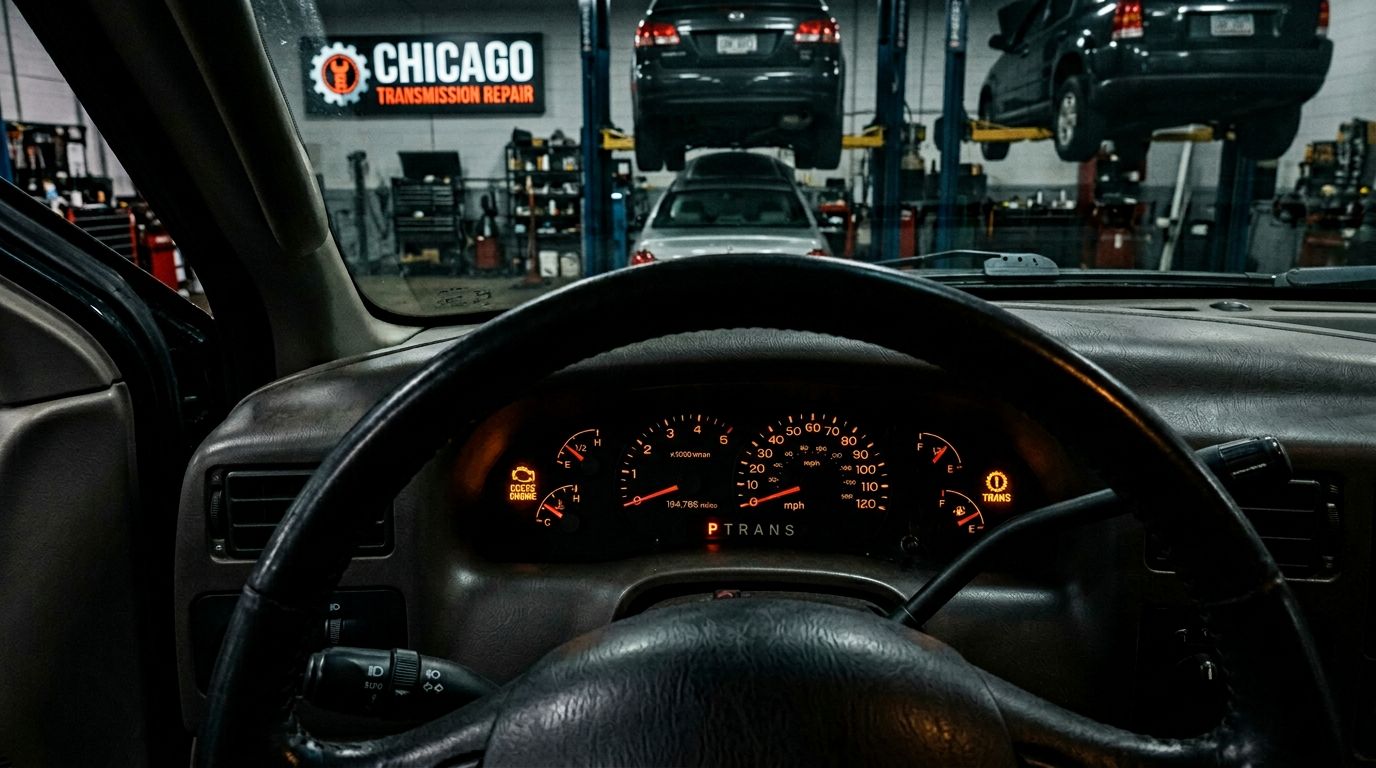
The check-engine light (and sometimes a separate transmission warning light) will be illuminated. In some GM vehicles, the transmission may also enter a reduced-power or limp mode, locking out higher gears to protect internal components.
Can You Drive with P0742?
Driving with an actively stuck TCC is risky and should be limited to reaching a nearby repair facility. Every stop-sign and red-light stop risks an engine stall, which removes power steering and braking assistance. For a Chicago driver navigating dense traffic, this presents a genuine safety hazard.
If you must drive the vehicle, shifting into Neutral before coming to a complete stop can prevent the stall - the engine disconnects from the drivetrain when the transmission is in Neutral. This workaround is not a long-term solution and requires attentiveness that is impractical in heavy traffic.
If the vehicle is stalling repeatedly or if shifting feels violent, have the car towed. The cost of a short tow within Chicago is trivial compared to the potential for a rear-end collision caused by an unexpected stall.
Diagnosis Steps
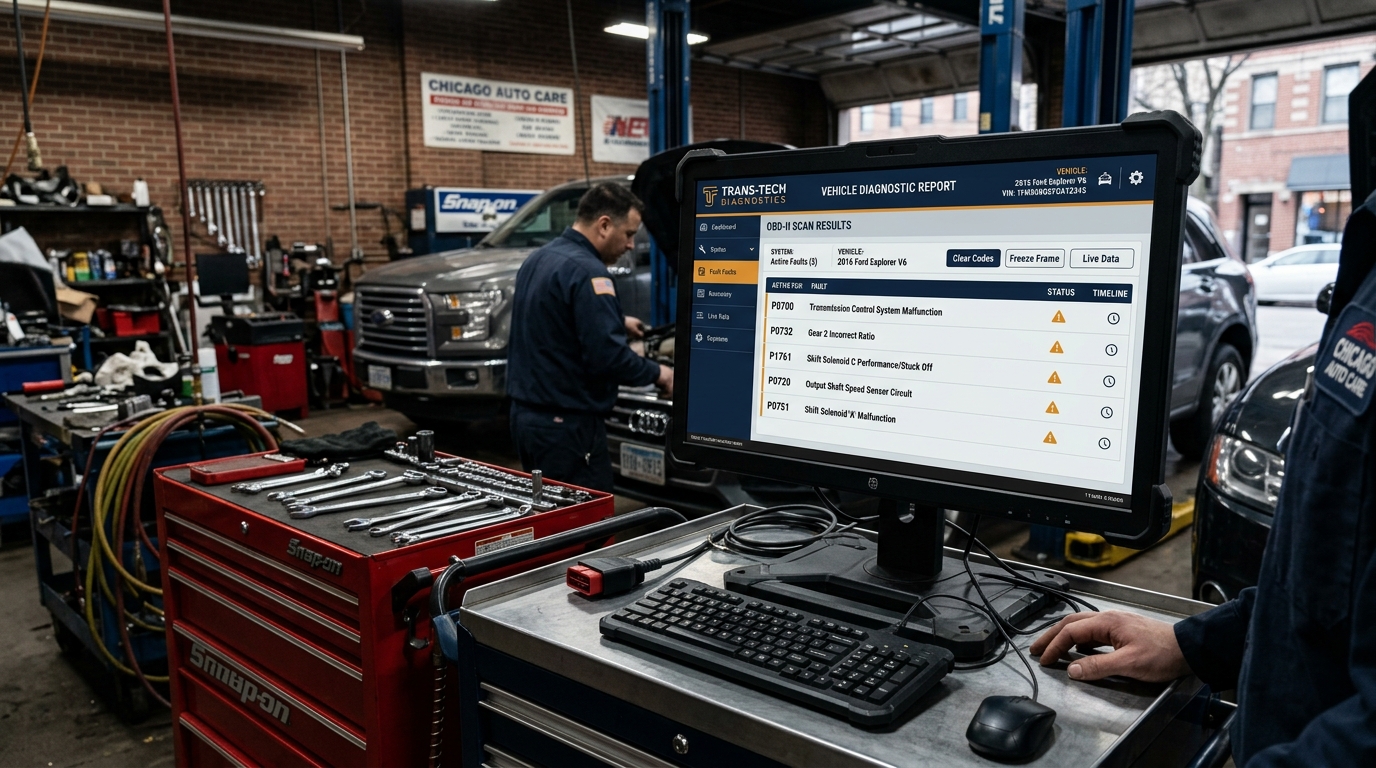
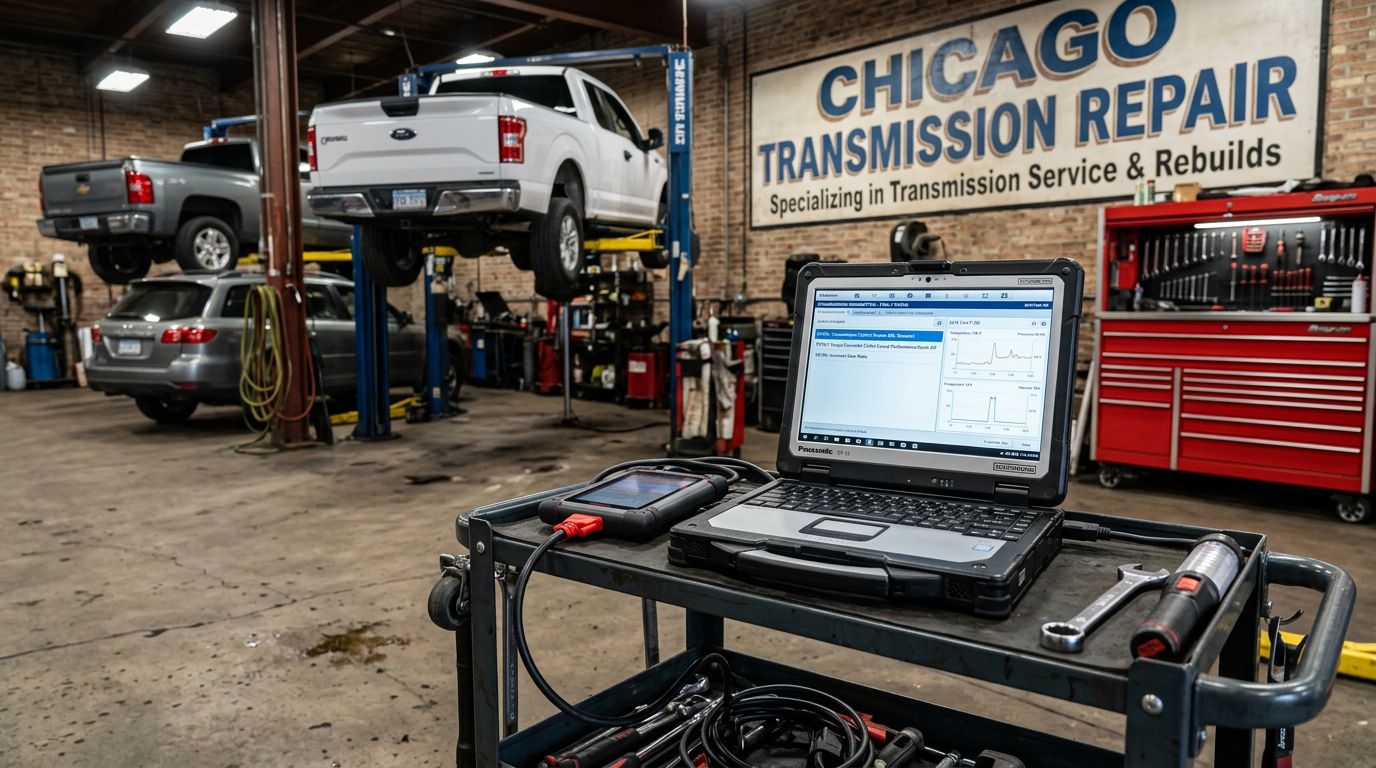
Diagnosis begins with a full OBD-II scan. A technician will retrieve all stored and pending codes, paying special attention to companion codes in the P0740-P0744 family and any speed-sensor codes (P0715, P0720) that might indicate additional problems. Freeze-frame data - engine RPM, vehicle speed, coolant temperature, and TCC slip speed at the moment the code was set - provides context.
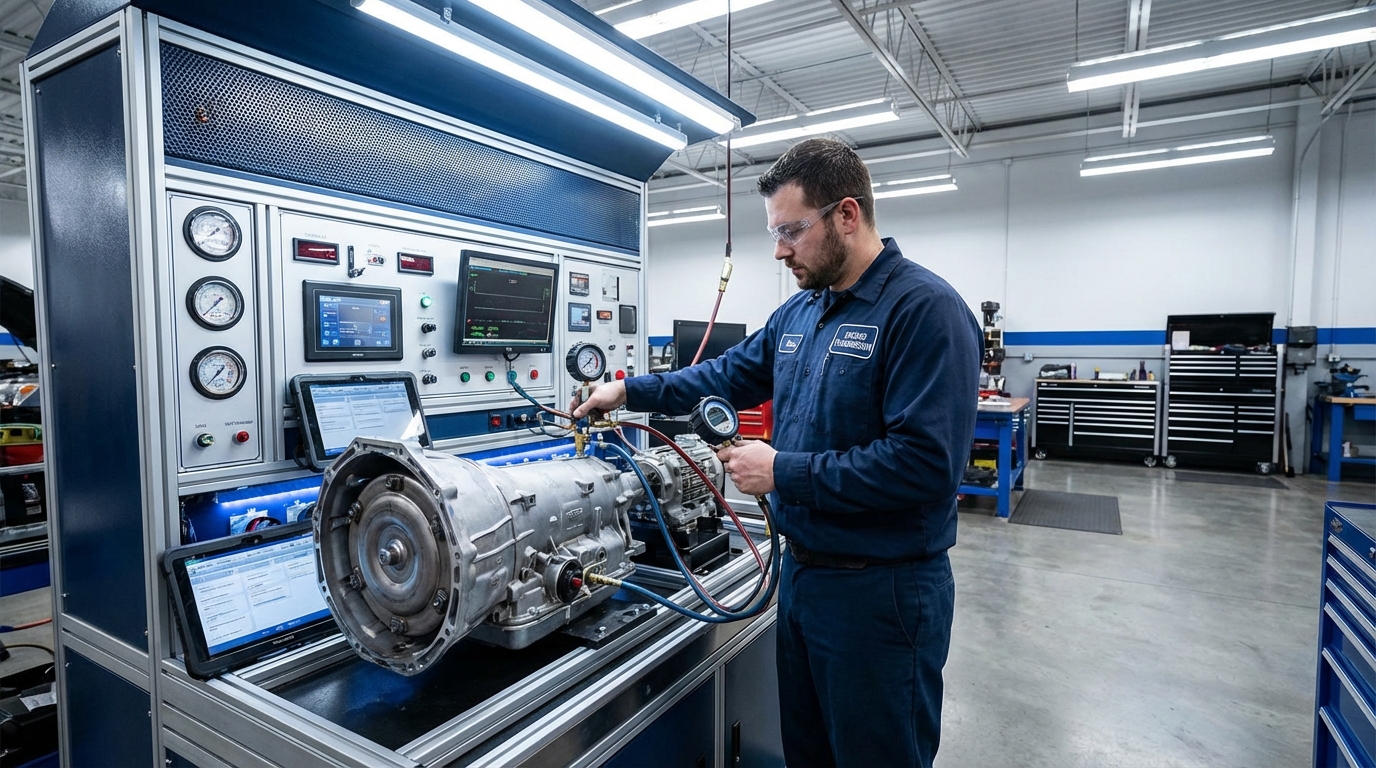
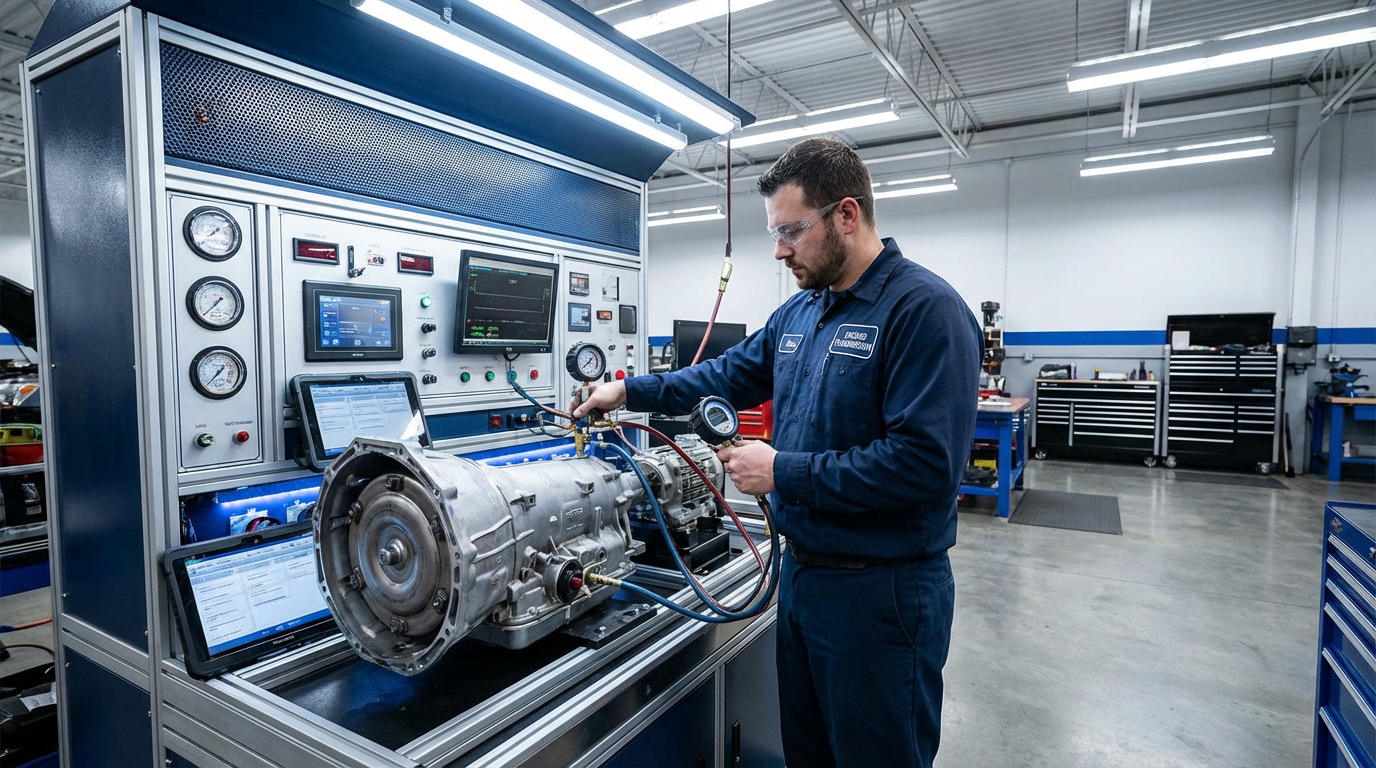
Live data monitoring is the most revealing step. With the scan tool connected, the technician observes TCC slip speed during a controlled road test. When the TCM commands the TCC off (typically below 25-30 mph), slip speed should jump to 100-300 RPM. If slip remains at or near zero, the stuck-on condition is confirmed.
Transmission fluid inspection comes next. The technician checks fluid level, color, and odor. Pink or light-red fluid that is translucent and odor-free is healthy. Dark-brown or black fluid with a burnt smell indicates degradation. Wiping the dipstick on a white paper towel and looking for metallic particles or dark grit can reveal internal wear debris. If the fluid is severely contaminated, a solenoid replacement alone is unlikely to provide a lasting fix because the contaminated fluid will re-clog the new solenoid.
Electrical testing focuses on the TCC solenoid circuit. The technician unplugs the transmission connector and measures resistance across the TCC solenoid pins; most solenoids spec between 10 and 25 ohms. An open reading (infinite resistance) indicates a broken coil; a reading near zero suggests an internal short. With the connector unplugged from the transmission but plugged into the TCM side, the technician checks for voltage at the TCC pin with the engine running. If battery voltage is present when the TCM should be commanding the solenoid off, a wiring short-to-power or TCM output-driver failure is indicated.
Bidirectional solenoid control, available on professional-grade scan tools, allows the technician to manually command the TCC solenoid on and off while listening for the solenoid's audible click inside the pan. If the solenoid responds to manual commands but the code persists during driving, the issue is likely in the valve body hydraulics rather than the solenoid itself.
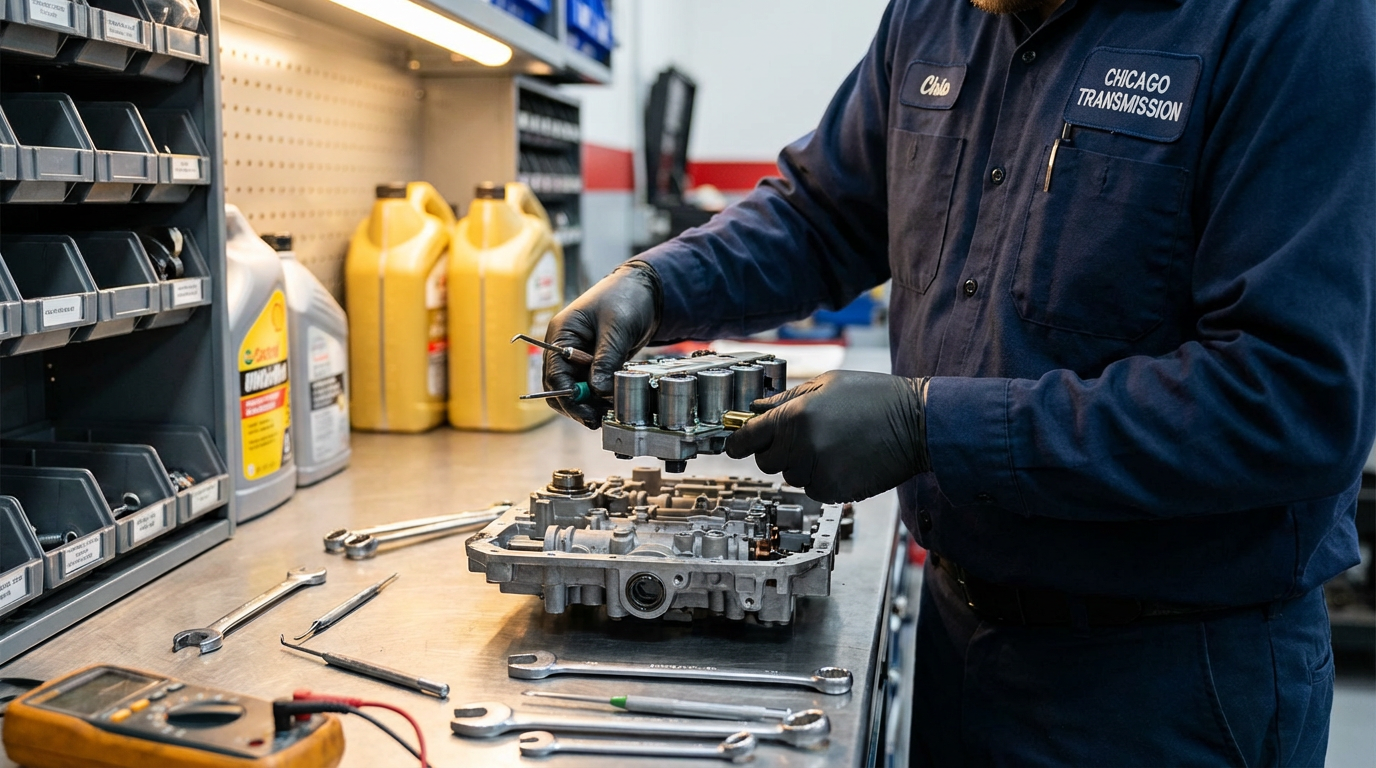
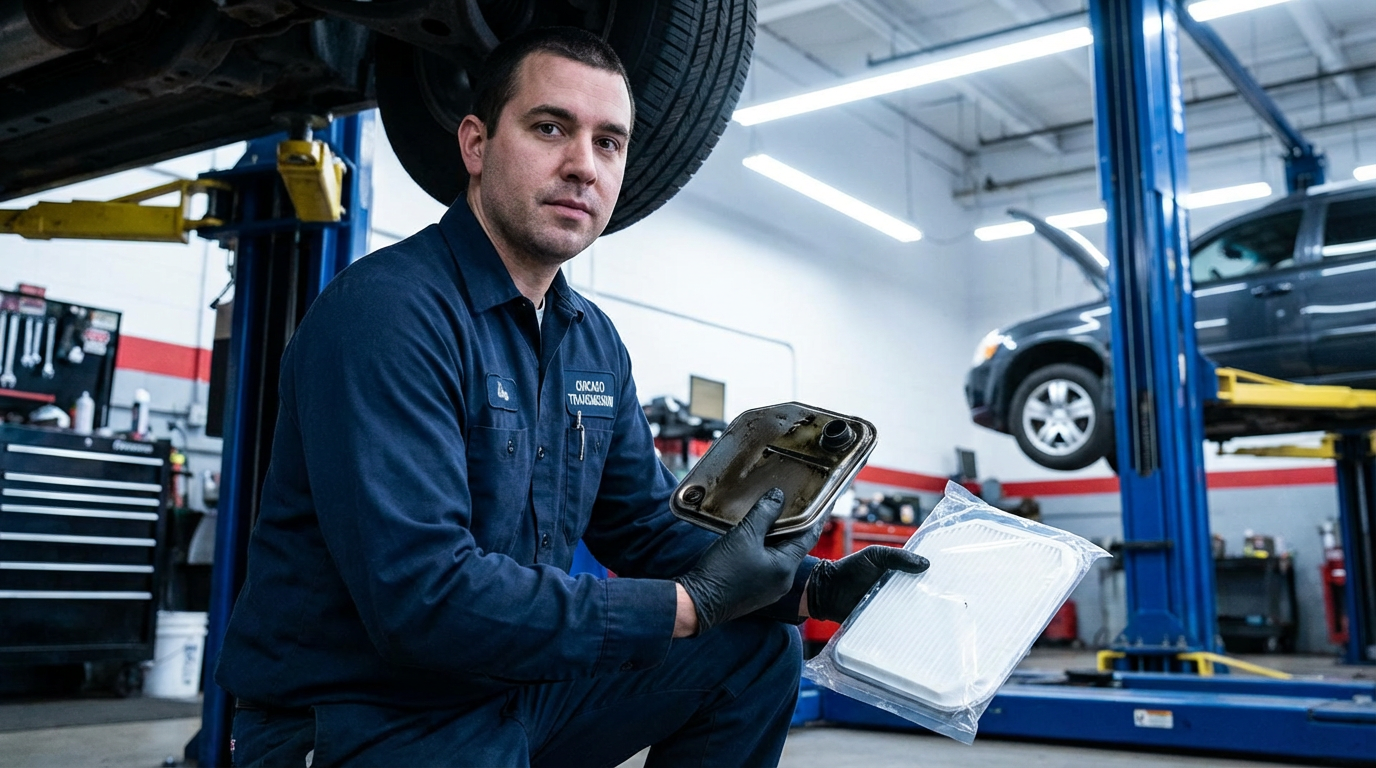
If all external tests pass, a pan-drop inspection is warranted. Removing the transmission pan allows visual inspection of the valve body, solenoid pack, and pan-magnet debris. Heavy metallic sludge on the magnet suggests internal wear. The solenoid can be physically inspected, cleaned, or replaced at this point.
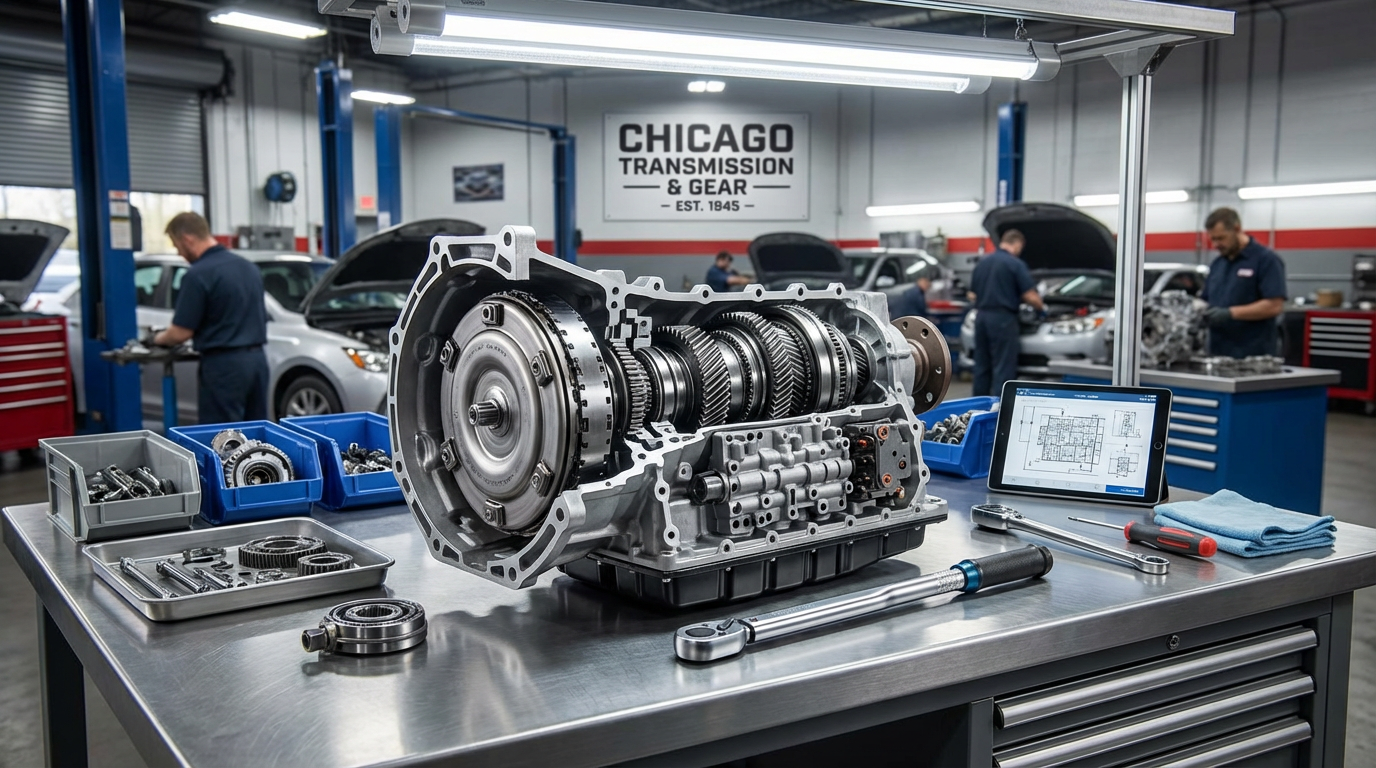
If the solenoid and valve body test clean, the torque converter itself is the likely culprit. Confirming this requires either stall-speed testing (comparing actual stall RPM to the manufacturer's specification) or, in some cases, removing the transmission to inspect the converter directly.
Repair Cost Ranges
Transmission fluid and filter service and should be the first intervention if the fluid is degraded and the vehicle has not had a recent service. In some cases - particularly mild, early-stage solenoid sticking - a drain-and-fill alone resolves the code. This is the best-case scenario.
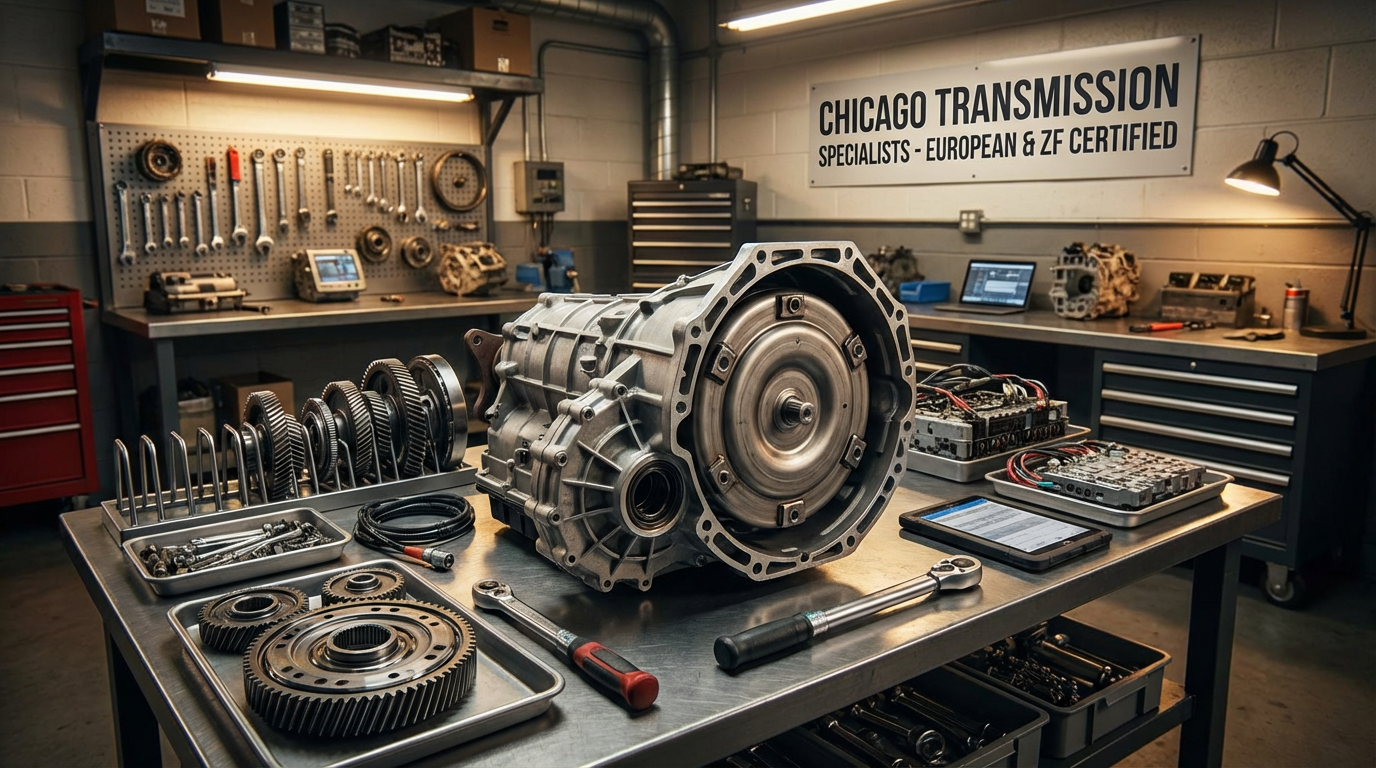
TCC solenoid replacement should be quoted after diagnosis. On many vehicles, the solenoid is accessible by removing the transmission pan, so the transmission does not need to come out of the vehicle. The quote depends on whether the vehicle uses an individual solenoid or a complete solenoid pack. Labor is typically 1.5-3 hours.
Wiring and connector repair depending on the extent of corrosion or chafing. A simple connector cleaning with dielectric grease is at the low end; harness replacement is at the high end.
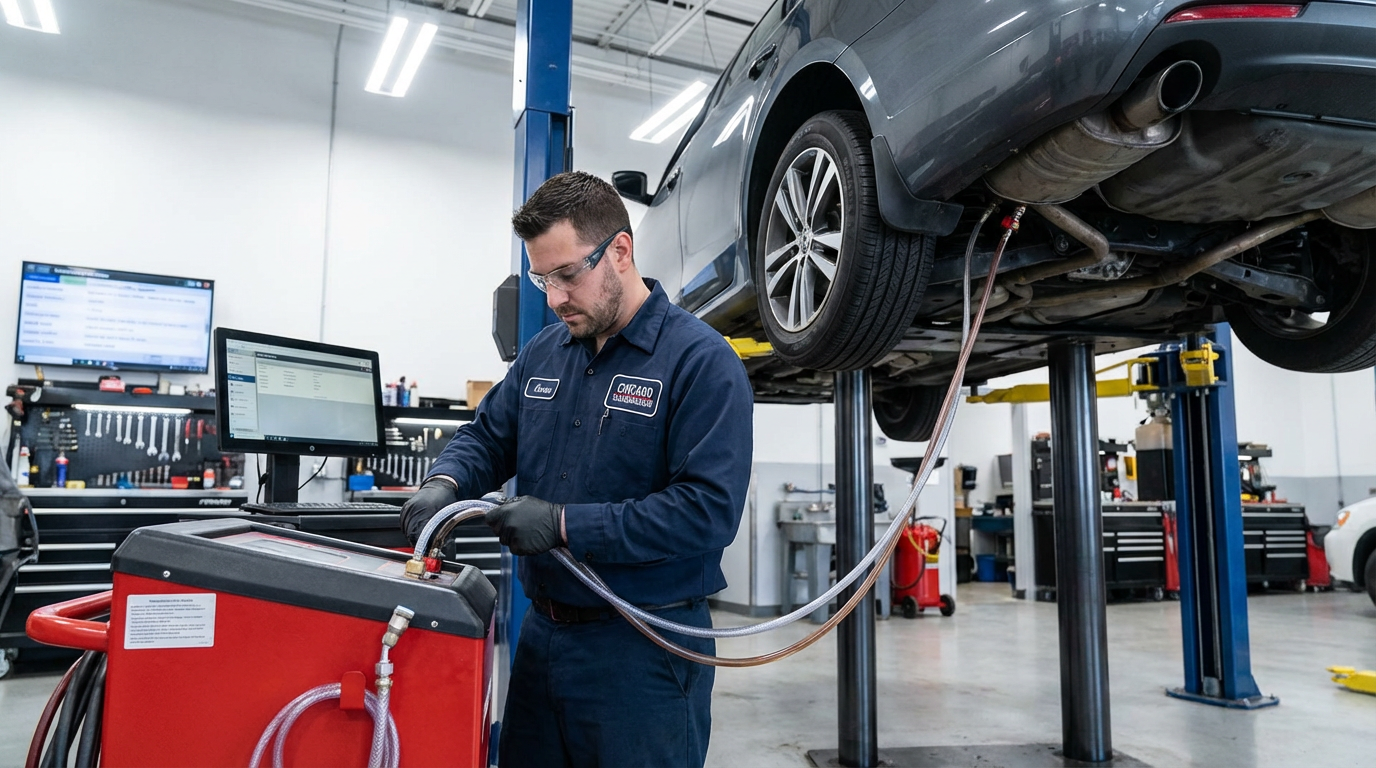
Torque converter replacement. The converter itself may not be the largest part of the job; labor accounts for much of the repair because the entire transmission must be removed. Dealership pricing usually runs higher than independent-shop pricing.
TCM reflash or software update. If the TCM's adaptive strategy has drifted or if a manufacturer TSB addresses TCC control logic, a reflash can resolve the code without hardware replacement.
TCM replacement for a VIN-matched unit programming and installation.
Full transmission rebuild, if internal damage has spread beyond the converter,. A remanufactured transmission.
Vehicles Most Commonly Affected
GM trucks and SUVs with the 4L60E and 4L80E transmissions - including the Chevrolet Silverado, Tahoe, Suburban, and GMC Sierra and Yukon - are among the most frequently affected platforms. The 4L60E's TCC solenoid and valve body are well-documented weak points, and GM has issued multiple TSBs addressing TCC shudder and stick-on conditions. The newer 6L80 and 6L90 transmissions in 2007-and-later trucks also produce P0742, though less frequently.
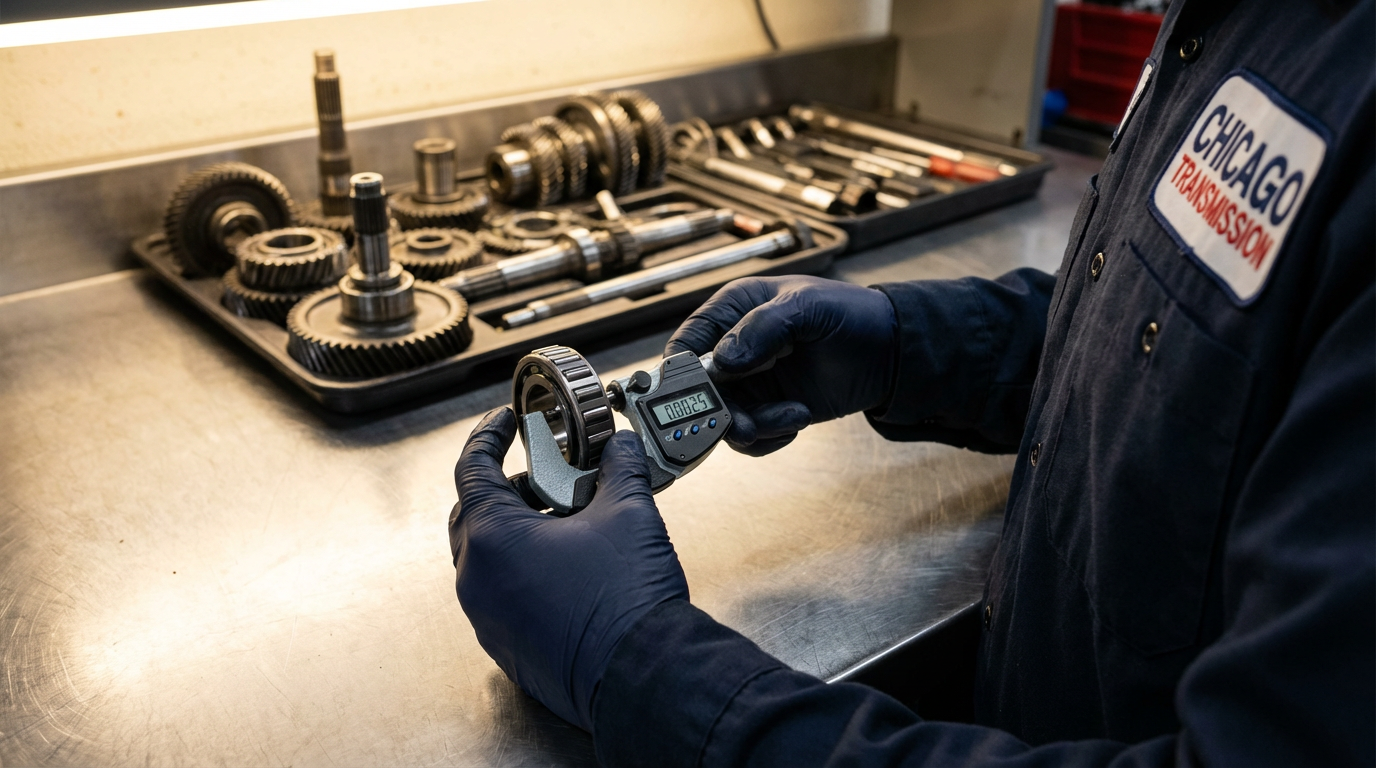
Buick Enclave, GMC Acadia, and Chevrolet Traverse models with the 6T70/6T75 transmission are another common group. The transmission's electronically controlled hydraulic module (TEHCM) integrates the TCM and solenoid pack into a single unit. GM bulletin 13-12-0C specifically addresses P0742 on 2013-model-year vehicles with this transmission and outlines a solenoid-cleaning procedure that can resolve the code for as little as in labor.
Ford vehicles with the 6R80 transmission (F-150, Mustang, Explorer) report P0742 alongside P0744, usually traced to worn valve-body bores or a failing TCC solenoid.
Chrysler, Dodge, and Jeep vehicles with the 42RLE and 545RFE transmissions see P0742 in conjunction with valve-body wear, particularly at higher mileage.
Honda Accord and Civic models with 4- and 5-speed automatics occasionally trigger P0742 from contaminated fluid or a failing lock-up control solenoid.
Mazda, Saturn, and Pontiac models appear in P0742 forum threads with notable frequency, often linked to solenoid sticking from deferred fluid maintenance.
Chicago-Specific Factors
Temperature extremes play a significant role. Chicago's winters regularly drop below 0 degrees F, causing transmission fluid to thicken dramatically. Thick fluid flows slowly through valve-body passages, increasing the chance that a marginal solenoid or slightly worn bore will cause a stick condition. Conversely, summer heat combined with stop-and-go traffic on the Eisenhower or Stevenson generates fluid temperatures that accelerate oxidation and debris formation.
Road salt is a chronic aggravator. The external transmission connector, typically located on the driver's side of the case near the bell housing, is directly exposed to road spray. Salt-induced corrosion on pins can create a short-to-power condition that holds the TCC solenoid circuit on. Annual connector cleaning and application of dielectric grease after the spring thaw is a cheap and effective preventive measure.
Pothole impacts, a year-round Chicago reality, stress the torque converter's internal components and can dislodge valve-body check balls or unseat solenoid seals. While a single pothole rarely causes P0742, the cumulative effect of years of rough-road driving accelerates wear on these precision hydraulic components.
Chicago's high proportion of stop-and-go driving maximizes the number of TCC engagement and disengagement cycles per mile. Each cycle fatigues the solenoid coil, exercises the valve-body bore, and generates a small amount of friction-material wear on the TCC disc. A vehicle driven primarily in city traffic will reach the failure threshold sooner than one driven predominantly on highways.
Prevention Tips
Change the transmission fluid and filter every 30,000 miles - or every 25,000 miles if you frequently tow, drive in heavy traffic, or operate in temperature extremes. Fresh fluid with the correct friction modifiers is the single most effective defense against solenoid sticking and TCC shudder.
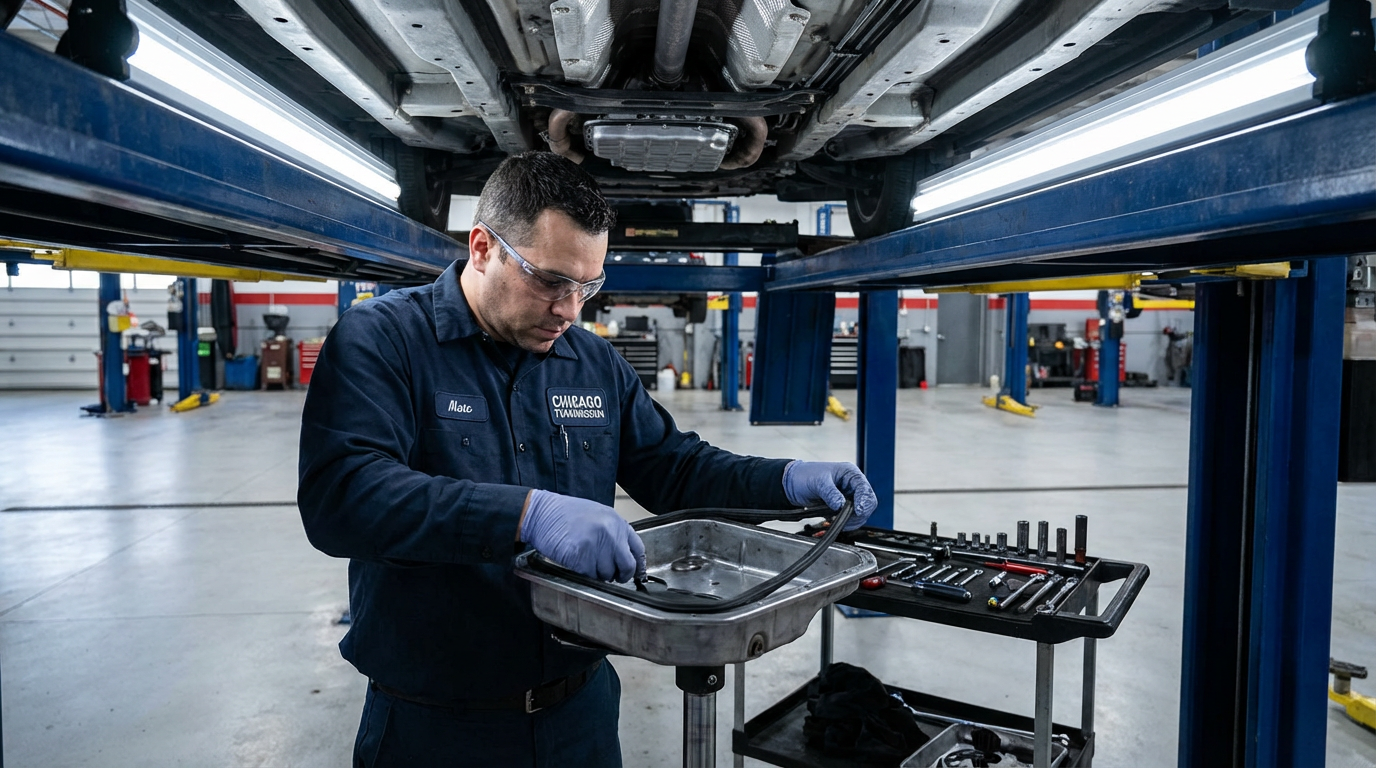
Clean the external transmission connector annually. After winter salt season, unplug the connector, spray the pins with electrical contact cleaner, allow them to dry, apply a thin layer of dielectric grease, and re-seat the plug firmly.
Address early symptoms immediately. A mild shudder at 40-50 mph or a single stall event is the transmission telling you the TCC system is beginning to fail. A fluid service at this stage may prevent a converter replacement six months later.
Avoid aggressive cold-start driving. Allow the engine and transmission to reach operating temperature before sustained highway driving. Cold fluid is thick fluid, and thick fluid is more likely to leave debris in valve-body passages.
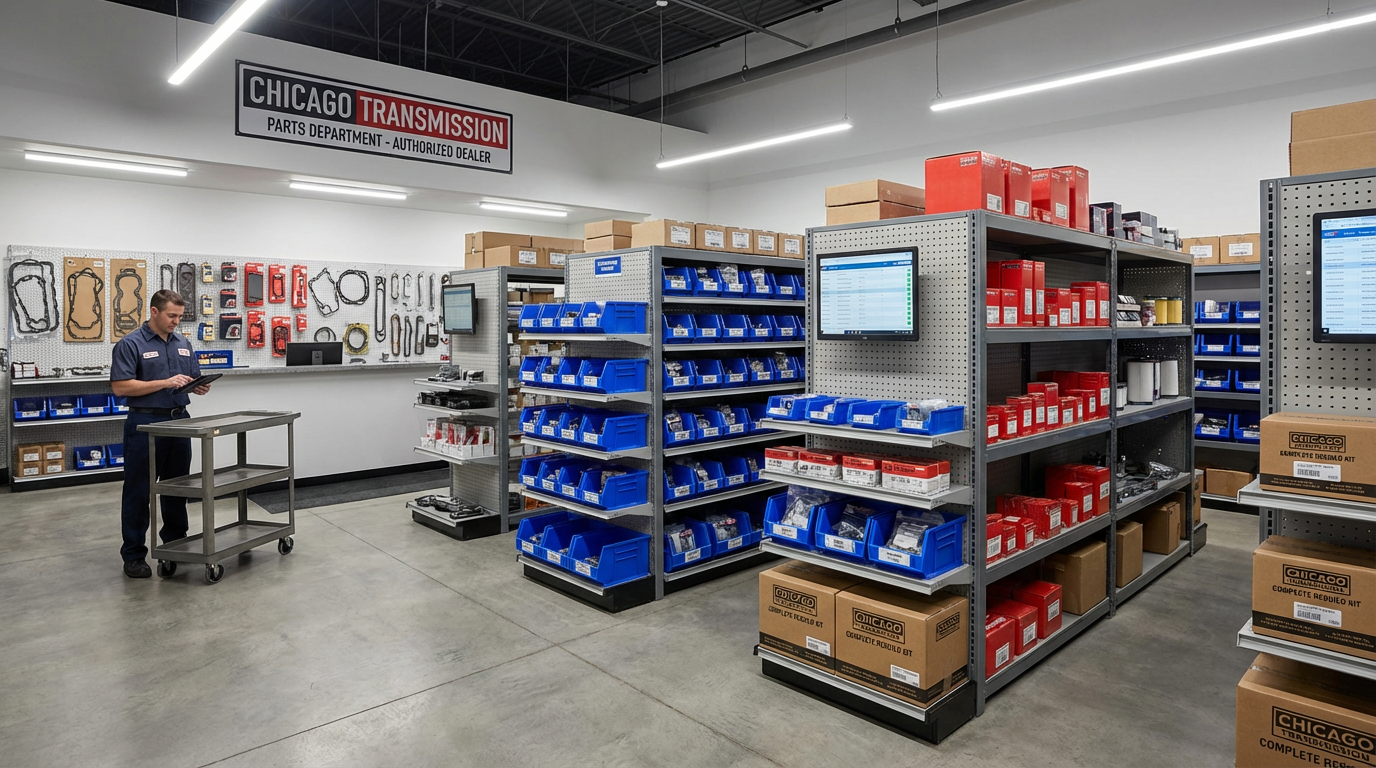
Monitor your check-engine light. If the light illuminates, retrieve the code within a day or two. An intermittent P0744 today often becomes a hard P0742 next month if the underlying fluid contamination or solenoid wear is not addressed.
Consider an aftermarket transmission temperature gauge. Monitoring fluid temperature gives early warning of overheating conditions that accelerate fluid degradation and solenoid failure.
Frequently Asked Questions

What does P0742 mean in plain language?
The lock-up clutch inside your torque converter is stuck in the "on" position. This physically ties your engine to your wheels at all times, causing the engine to stall when you come to a stop - similar to stopping a manual-transmission car without pressing the clutch.
How serious is P0742?
It is rated Urgent by RepairPal. Engine stalling at low speeds is a safety hazard because you lose power steering and power brakes. Additionally, driving with a stuck TCC generates excessive heat and mechanical stress that can damage the transmission internally.
What does it typically cost to fix?
The range is wide. A fluid service may resolve early-stage cases. Solenoid replacement, torque converter replacement, and valve-body work are all possible depending on the root cause and how long the vehicle was driven with the symptom.
Can dirty transmission fluid really cause P0742?
Yes, and it is the number-one cause. Contaminated fluid carries debris that jams the TCC solenoid plunger in the open position. Regular fluid changes are the best prevention.
What is the difference between P0741 and P0742?
P0741 means the TCC is stuck off - it never engages, so you lose fuel economy and the transmission runs hot. P0742 means the TCC is stuck on - it never releases, so the engine stalls at stops. They are opposite failure modes of the same clutch system.
Will clearing the code fix the problem?

No. Clearing the code only erases the stored fault; the underlying mechanical or electrical issue remains. The code will return, typically within one to three drive cycles.
Is P0742 common on GM vehicles?
Very. GM's 4L60E, 4L80E, 6L80, 6L90, and 6T70/6T75 transmissions are the most frequently reported platforms for this code. GM has issued multiple technical service bulletins addressing TCC solenoid and valve-body issues.
Can I shift into Neutral to prevent stalling?
Yes, as a temporary workaround. Shifting to Neutral before coming to a complete stop disconnects the drivetrain and prevents the stall. This is not a long-term solution and requires constant driver attention.
Should I replace the torque converter or just the solenoid?
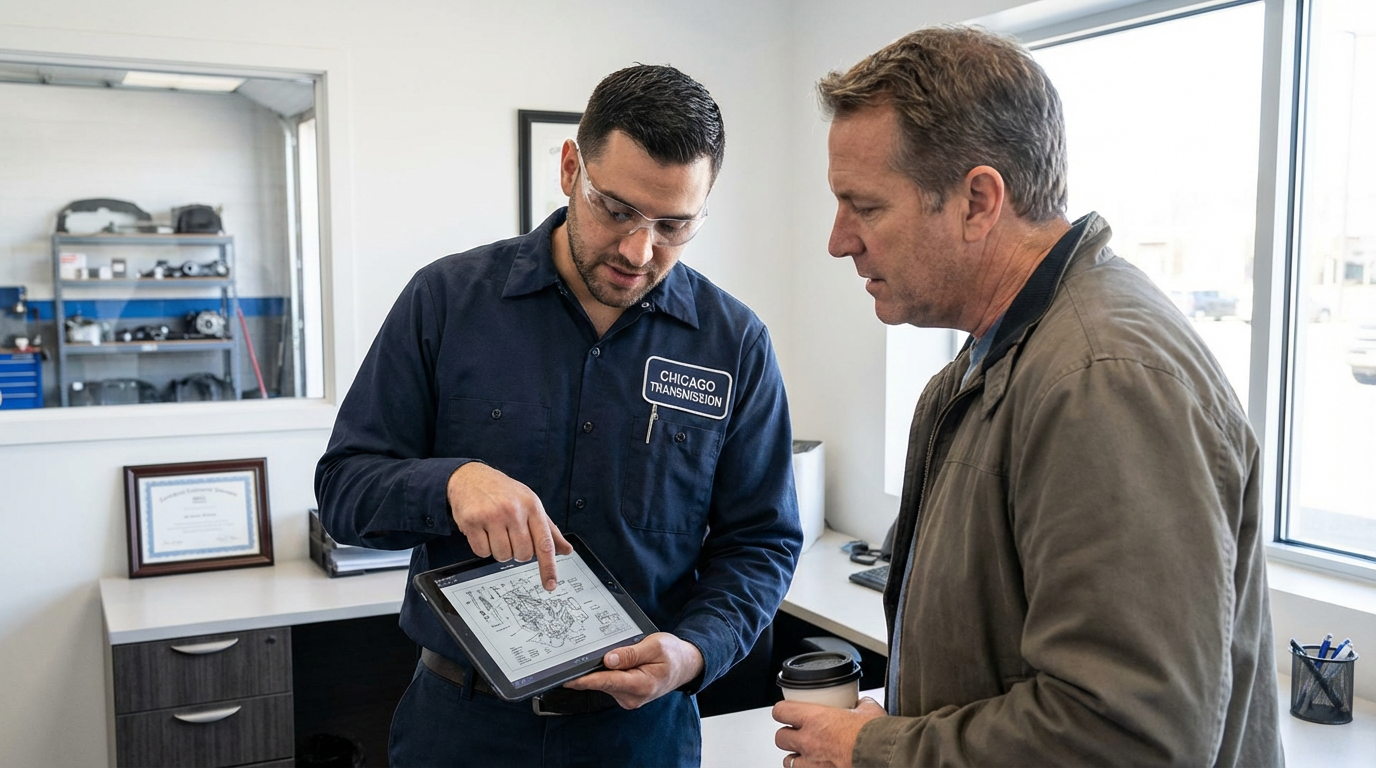
Start with diagnosis. If the solenoid is electrically faulty and the fluid is clean with no metal debris, solenoid replacement alone is usually sufficient. If the fluid is contaminated with metal particles, or if the converter's internal clutch has physically seized, the converter must be replaced.
Which Chicago-area shops are best for this repair?
Look for independent transmission specialists with ASE or ATRA (Automatic Transmission Rebuilders Association) certification. Shops that specialize in your vehicle's make are ideal. Dealer rates run 20-40% higher but may be warranted if a TSB-specific reflash is the fix.
H2 sections: 12
Series tally - Articles completed (13 of 50):
| # | Code | Topic |
|---|------|-------|
| 1 | P0700 | Transmission Control System Malfunction |
| 2 | P0730 | Incorrect Gear Ratio |
| 3 | P0740 | TCC Circuit Malfunction |
| 4 | P0741 | TCC Performance / Stuck Off |
| 5 | P0715 | Input/Turbine Speed Sensor Circuit |
| 6 | P0720 | Output Speed Sensor Circuit |
| 7 | P0750 | Shift Solenoid A Malfunction |
| 8 | P0755 | Shift Solenoid B Malfunction |
| 9 | P0218 | Transmission Fluid Over-Temperature |
| 10 | P0780 | Shift Malfunction |
| 11 | P0706 | Transmission Range Sensor |
| 12 | P0613 | TCM Processor Fault |
Have a Transmission Problem?
Get a Diagnosis-first inspection from Chicago transmission repair support.