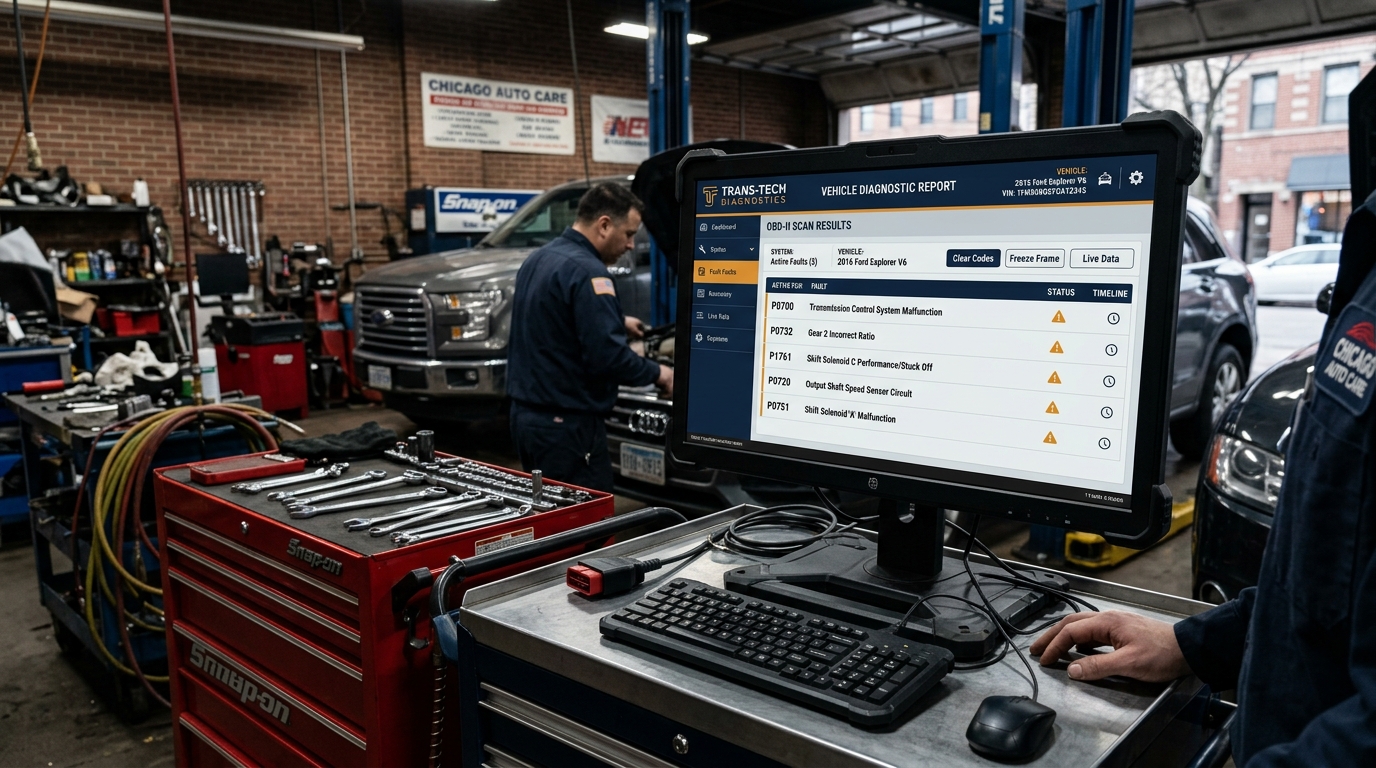
P0760 means your transmission's Shift Solenoid C has failed or its circuit is malfunctioning. Learn what causes it, how to diagnose it, and what Chicago drivers should do when this code appears.
Schema: FAQPage, HowTo, Article
What Does the P0760 Code Mean?
P0760 is a generic OBD-II diagnostic trouble code defined as "Shift Solenoid 'C' Malfunction." The powertrain control module (PCM) or transmission control module (TCM) stores this code when it detects a fault in the electrical circuit or hydraulic performance of Shift Solenoid C - the third in the alphabetically designated family of electromechanical valves inside the automatic transmission that direct pressurized fluid to specific clutch packs and bands during gear changes.
As with all shift solenoid codes, the physical identity and function of "Solenoid C" varies by manufacturer. In GM's 4L60E and 4L65E transmissions, the platform uses only two main shift solenoids (A and B), so a P0760 on a GM vehicle typically points to a different transmission platform or, in some cases, a pressure control solenoid mapped to the C designation. In Chrysler's 45RFE, 545RFE, and 68RFE transmissions, Solenoid C corresponds to the Overdrive (OD) solenoid - the valve that controls the overdrive clutch circuit, critical for fourth-gear and overdrive engagement. As confirmed by a transmission engineer in the Cummins Diesel Forum, "For the 68RFE, P0760 is actually OD Solenoid Circuit Error," and the fault is detected when the TCM fails to get a correct continuity result on the OD solenoid coil during its periodic self-test. In Ford's multi-speed transmissions and in many Asian-make automatics (Toyota, Honda, Kia, Hyundai), Solenoid C is part of the solenoid pack controlling specific higher-gear transitions, often the 3-4 shift or the engagement of the third-gear clutch circuit.
This manufacturer-specific mapping is essential to understand because it determines which gear or gears are affected, which symptoms the driver notices, and which internal components the technician must evaluate. On Chrysler platforms, a P0760 means the vehicle may lose overdrive entirely, resulting in elevated highway RPMs, increased fuel consumption, and potentially limp mode. On Toyota or Kia models, it may manifest as a harsh or absent third-gear shift.
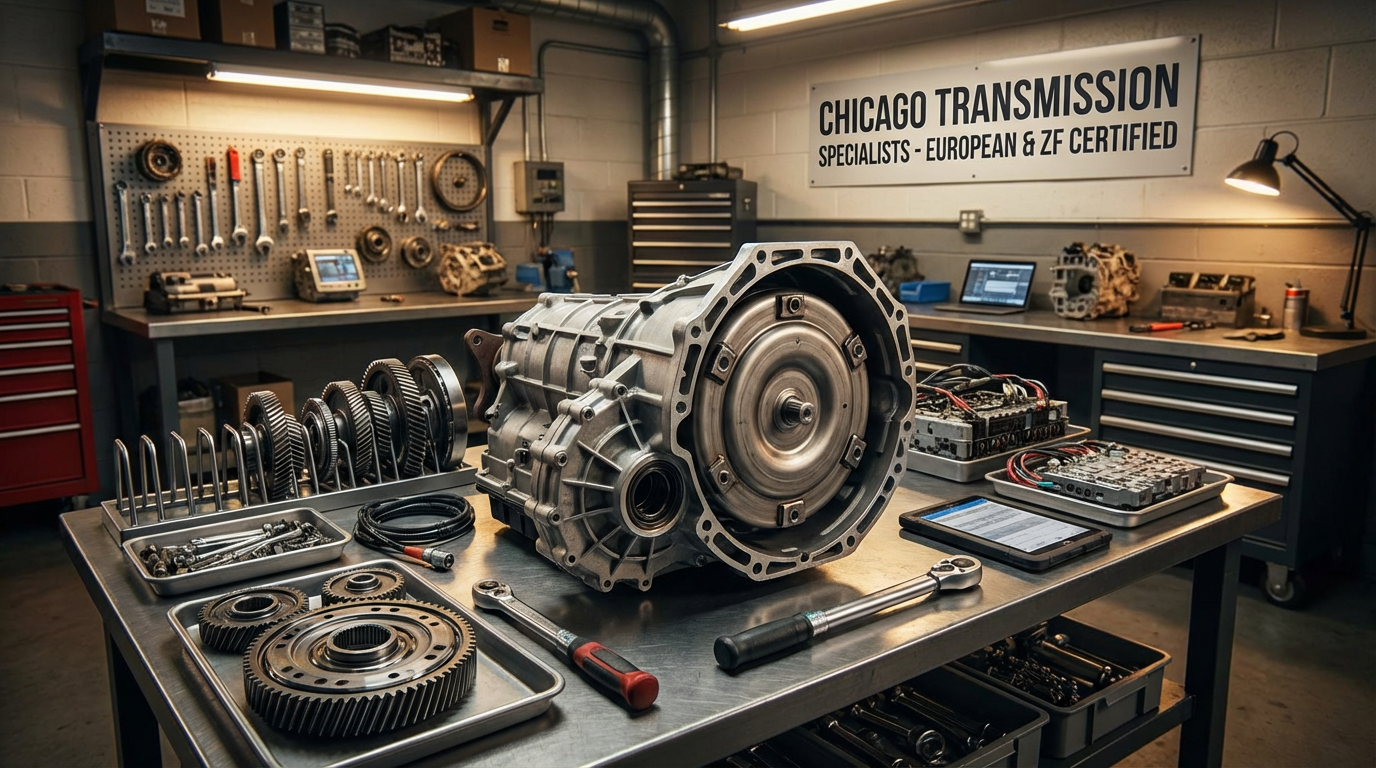
For Chicago-area drivers, P0760 tends to surface during sustained highway driving - precisely the condition where the affected higher gears are most critical. Losing overdrive on a 30-mile expressway commute means the engine runs at significantly higher RPMs for the duration of the drive, generating excess heat and consuming more fuel with every mile.
Where P0760 Fits in the Shift Solenoid Code Family
P0760 is the parent code for the Shift Solenoid C sub-family, following the same structural pattern as the Solenoid A (P0750) and Solenoid B (P0755) families documented in earlier articles in this series.
P0761, "Shift Solenoid C Performance or Stuck Off," indicates the solenoid receives correct electrical commands but does not produce the expected hydraulic result - pointing to a physically stuck plunger, varnish buildup, or a blocked valve-body passage. P0762, "Shift Solenoid C Stuck On," means the solenoid remains open when commanded closed, potentially causing the transmission to stay in a higher gear or skip gears. P0763, "Shift Solenoid C Electrical," isolates the fault to a definitive open, short to ground, or short to power in the solenoid's wiring or coil. P0764, "Shift Solenoid C Intermittent," flags a sporadic connection that works during some drive cycles and fails during others.
P0760 itself is broader than these sub-codes and is stored when the PCM's initial fault detection does not cleanly match a narrower category, or when the manufacturer's software groups all Solenoid C faults under the parent code.
When P0760 appears alongside P0750 (Solenoid A) and P0755 (Solenoid B), the diagnostic focus shifts from an individual solenoid fault to a systemic issue. As documented in forum discussions and a JustAnswer case involving a Ford with persistent P0750, P0755, and P0760 codes, the root cause was the transmission case connector - a single corroded plug affecting every solenoid circuit. Similarly, on Chrysler RFE transmissions, a Cummins Forum expert explains that if a white-connector solenoid pack is replaced with a gray-connector 2011-and-later pack (which lacks the OD solenoid), P0760 will be set permanently because the TCM cannot find the OD solenoid coil. This compatibility trap is a well-documented pitfall in Chrysler 68RFE service.
The solenoid family extends beyond C as well: P0765 (Solenoid D) and P0770 (Solenoid E) cover additional solenoids in transmissions with five or more electronically controlled shift valves, such as the Chrysler 68RFE (which has six main solenoids) and modern six-, eight-, and ten-speed transmissions.
How Shift Solenoid C Works
Shift Solenoid C operates on the same fundamental principle as Solenoids A and B. A copper coil wound around a ferromagnetic core generates a magnetic field when energized, pulling a plunger against a return spring to open a hydraulic valve. Pressurized ATF flows through the valve into the designated clutch or band circuit, engaging the target gear. When the TCM de-energizes the coil, the spring returns the plunger and closes the valve.
On Chrysler 68RFE transmissions, the TCM periodically tests each of its six main solenoids by briefly toggling the solenoid off, then monitoring the voltage spike produced by the collapsing magnetic field. If the TCM fails to detect this inductive spike after three consecutive test cycles, it stores the corresponding fault code - P0760 for the OD solenoid. This means that on Chrysler platforms, P0760 is fundamentally an electrical continuity test failure. The root cause must reside in one of three places: the solenoid coil itself, the wiring between the solenoid and the TCM, or the TCM's internal driver chip.
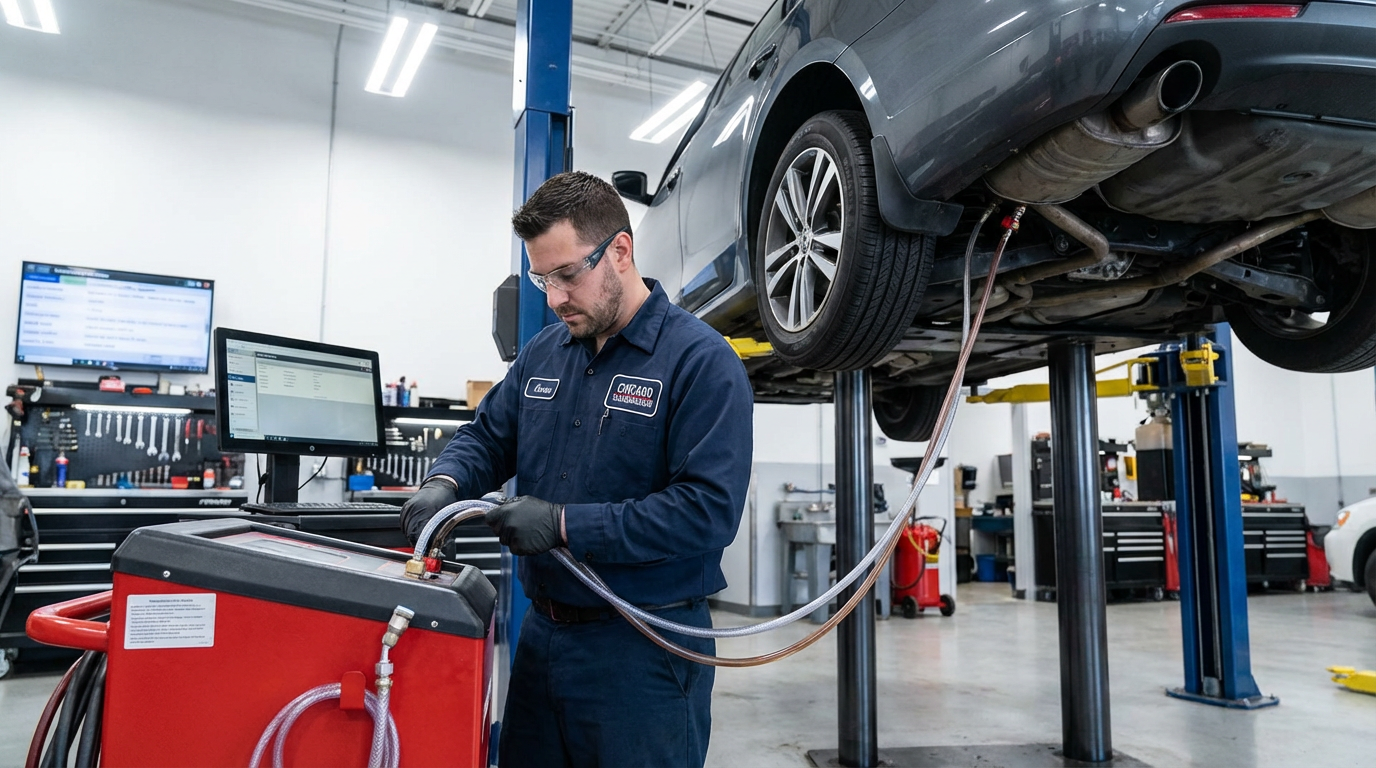
Solenoid C coil resistance varies by platform. Chrysler 68RFE OD solenoid coils measure approximately 1.8 ohms (low-resistance, high-current design). Ford and Toyota solenoids typically measure 11 to 16 ohms. Kia and Hyundai solenoids fall in a similar range of 10 to 20 ohms depending on the specific transmission. These measurements are taken at room temperature; resistance rises with heat, and a coil that passes a cold bench test may fail under operating conditions - a classic intermittent P0760 trigger.
The Flagship One diagnostic guide notes that Solenoid C typically controls the third-gear clutch in many applications, and any interruption in its operation "directly affects up-shifts and overall drivability." On Chrysler platforms where it controls overdrive, the effect is felt primarily at highway speed, while on Toyota or Kia models where it may control the 2-3 or 3-4 transition, the impact is felt during city-speed acceleration.
Common Causes of P0760
The causes of P0760 mirror the pattern established by P0750 and P0755, with the addition of a notable compatibility issue specific to Chrysler platforms.
Corroded, damaged, or loose wiring and connectors account for an estimated 25 to 35 percent of P0760 occurrences. The transmission case connector remains the most frequent single point of failure. In the Cummins Forum thread on P0760, one user's issue was traced to the harness connector after a single cleaning-and-reseating resolved the fault. Another user reported that after replacing the solenoid pack and getting no improvement, the problem was ultimately a water-intruded connector with corroded pins. The forum's resident transmission engineer recommends inspecting the connector with a small mirror (it points upward and is impossible to see directly) and using electrical cleaner followed by compressed air to remove moisture. Connector cleaning, pin repair, or harness work should be quoted after inspection confirms the failure point.
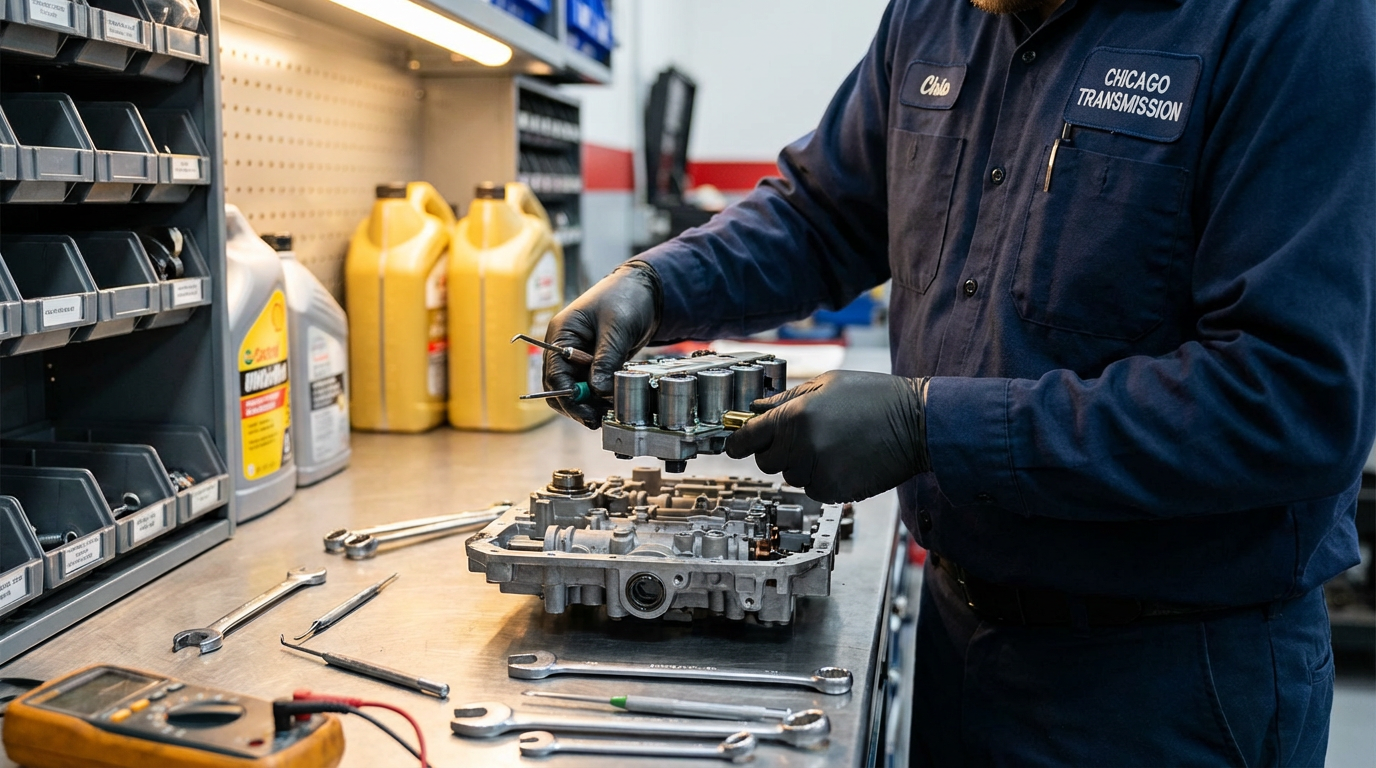
A defective Shift Solenoid C causes approximately 25 to 30 percent of cases. Coil degradation, plunger sticking from varnish or debris, and spring fatigue are the same failure modes as for Solenoids A and B. On Chrysler 68RFE transmissions, the OD solenoid is part of a sealed solenoid/TRS module. Replacement modules and labor is two to four hours. On Ford, Toyota, Kia, and Hyundai platforms, Solenoid C may be individually replaceable or part of an integrated solenoid pack costing for the part, with labor of two to four hours and total costs of.
Incorrect solenoid pack version (Chrysler-specific) is a cause unique to this platform and worth highlighting. As the Cummins Forum transmission engineer explains, the 2011-and-later 68RFE solenoid module (identifiable by its gray electrical connector) does not include the OD solenoid. If this module is mistakenly installed in a pre-2011 application that requires a white-connector module, the TCM will set P0760 on every drive cycle because it cannot detect the OD solenoid coil. This is not a defective part - it is a fitment mismatch. The fix is to install the correct white-connector module. This compatibility trap catches both DIY installers and shops unfamiliar with the RFE platform.
Low or contaminated transmission fluid contributes to 15 to 25 percent of P0760 diagnoses, through the same mechanisms described in the P0750 and P0755 articles. A fluid and filter service addresses this.
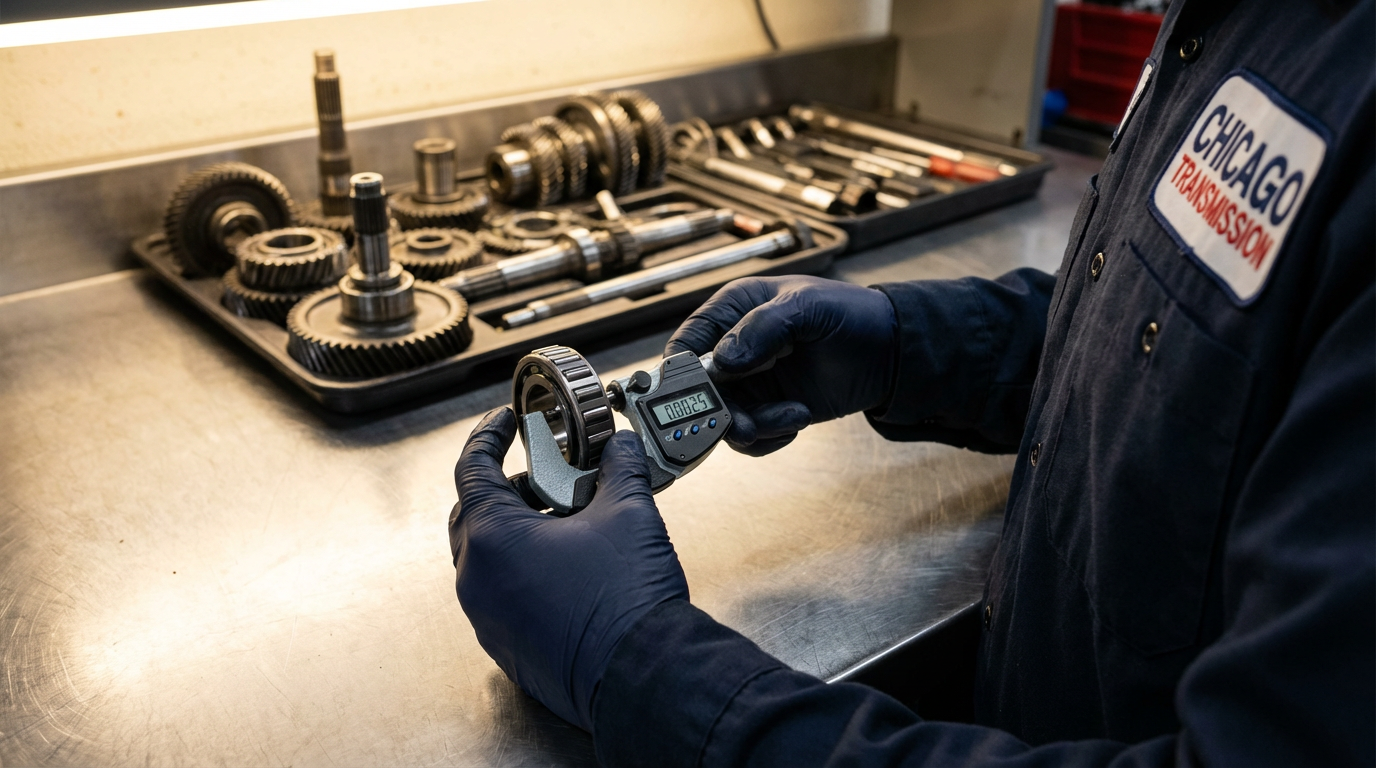
Valve-body wear or contamination is implicated in 10 to 15 percent of cases. Worn bores, stuck check balls, and debris-blocked passages prevent the solenoid's hydraulic output from reaching the clutch circuit at the correct pressure. Valve-body rebuild or replacement.
Internal transmission mechanical failure accounts for fewer than 10 percent of initial P0760 diagnoses. A worn overdrive clutch pack (Chrysler), a failed 3-4 clutch pack (other platforms), or broken internal hard parts prevent the gear from engaging regardless of solenoid function. The TCM reads the speed-sensor mismatch as a solenoid fault. A rebuild or remanufactured replacement may be needed if internal damage is confirmed.
TCM or PCM failure is the least common cause, at fewer than 5 percent of cases. A failed driver chip within the TCM prevents it from commanding or monitoring the solenoid. A software reflash resolves some cases; module replacement is required for hardware failures.
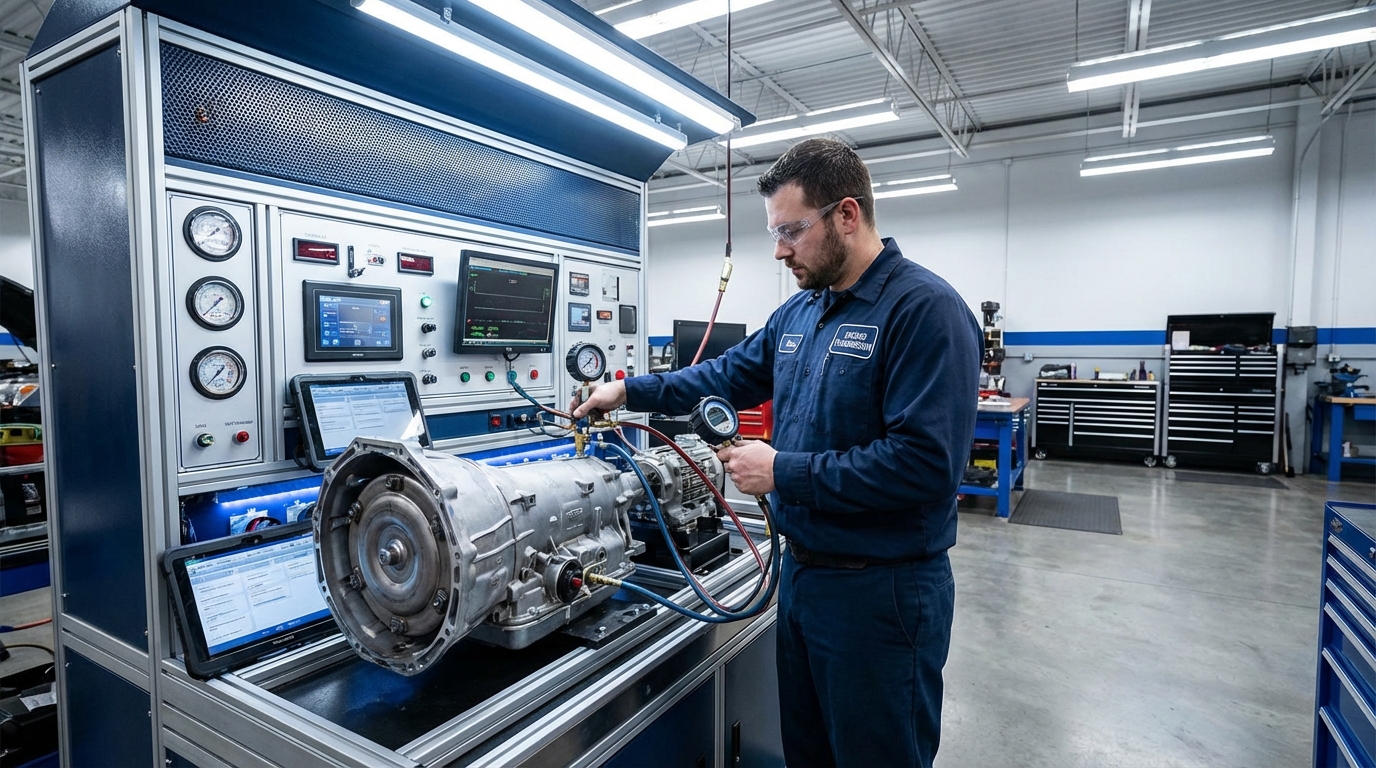
Symptoms Chicago Drivers Will Notice
The most common symptom of P0760 depends on which gear Solenoid C controls in the specific vehicle. On Chrysler Ram trucks and SUVs (68RFE, 545RFE, 45RFE), where the code signals an overdrive solenoid fault, drivers lose access to overdrive, resulting in the engine running at notably higher RPMs at highway speeds - typically 500 to 1,000 RPM above normal. Fuel economy drops 15 to 25 percent, and the transmission may enter limp mode, locking into second or third gear and limiting speed to 25 to 40 mph. A Ram Forum user describes being "stuck in 4th gear limp mode" with sluggish acceleration and a speedometer that intermittently stops working - classic P0760 behavior on the 545RFE.
On Toyota, Kia, Hyundai, and Ford models where Solenoid C typically controls a mid-range shift (2-3 or 3-4), the symptom is a harsh or delayed upshift during city-speed acceleration. Drivers feel a pronounced "jerk" or "lurch" as the gear finally engages, or the transmission skips the affected gear entirely, jumping from second to fourth with a noticeable RPM flare. A Dodge Charger owner on JustAnswer reports that P0760 caused the vehicle to struggle shifting out of second gear, requiring a tow.
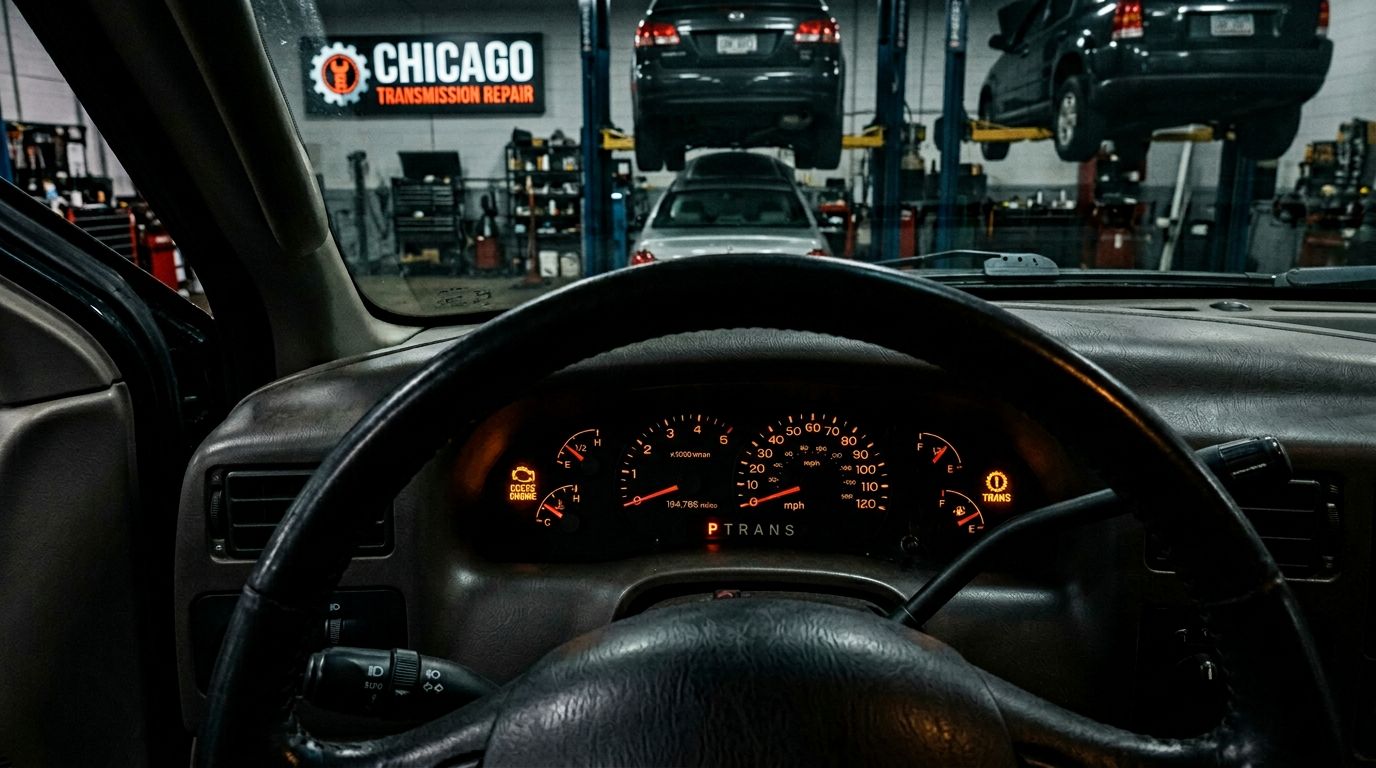
The check-engine light illuminates in virtually all P0760 cases. Many vehicles also display a transmission-service indicator, and some flash the overdrive-off light. On Chrysler 68RFE-equipped trucks, a distinctive symptom is all PRNDL indicators lighting up simultaneously with highlighted boxes, as described in multiple Cummins Forum posts - this "all-positions-boxed" pattern typically accompanies limp mode triggered by P0760.
Limp mode is particularly impactful for Chicago commuters. Being locked in second or third gear at 25 to 40 mph on the Kennedy, Dan Ryan, or Stevenson expressways creates a dangerous speed mismatch with surrounding traffic traveling at 55 to 70 mph.
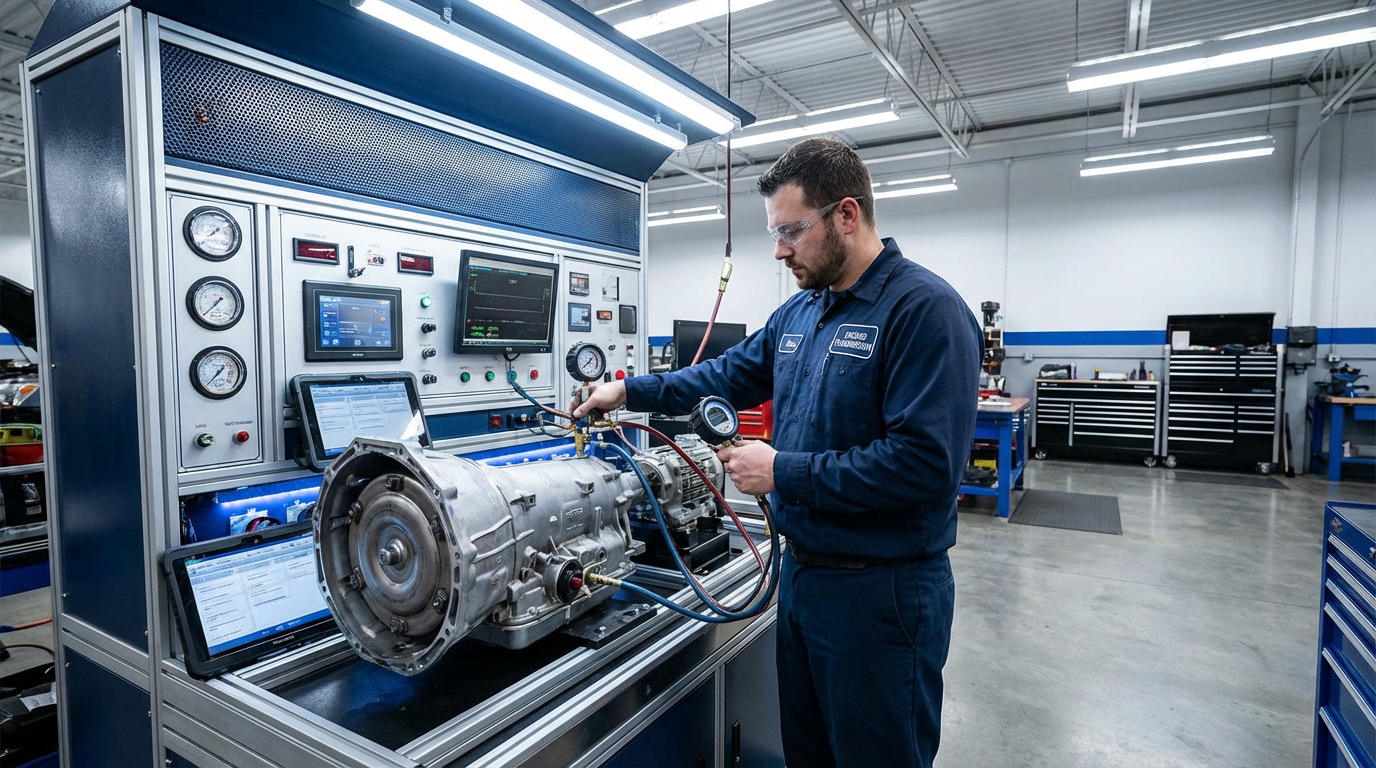
A cold-weather pattern is common. The code may appear after the vehicle sits for several days in sub-freezing temperatures. One Cummins Forum member reports P0760 appearing after the truck sat through days of temperatures reaching 10 degrees Fahrenheit: "Shifted perfectly fine for like 2 miles then goes back in limp mode." The cold-thickened fluid and contracted connector pins produce a marginal electrical condition that tips over the fault threshold as the solenoid warms unevenly.
Can You Drive with P0760?
P0760 is a serious code. When the affected gear - whether overdrive on a Chrysler or third/fourth gear on another platform - is lost or intermittently available, continued driving risks accelerated clutch wear, fluid overheating, and progressive contamination of internal components.
If the vehicle is in limp mode, it can be driven at low speed for a short distance directly to a repair facility. Highway driving in limp mode is unsafe due to the severe speed limitation. If the vehicle is not in limp mode but shows harsh shifts or loss of a gear, cautious driving to a shop is acceptable, but avoid towing, heavy loads, and sustained highway cruising at elevated RPMs.
A tow is recommended if multiple solenoid codes are stored simultaneously, if the fluid is dark with metallic contamination, if the vehicle refuses to move, or if limp mode resets and returns within minutes. A Chicago-area tow a minor expense compared to the potential rebuild cost from driving on a known fault.
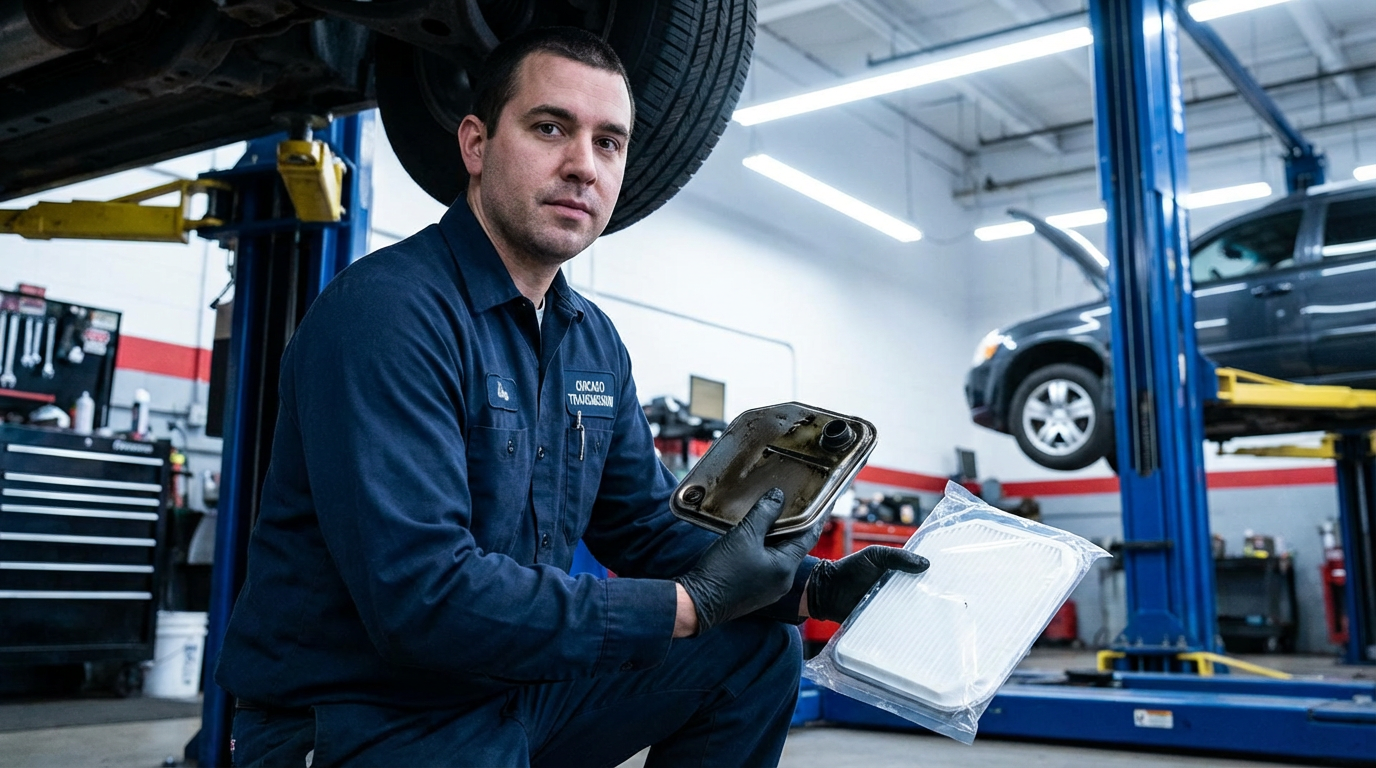
Step-by-Step Diagnosis of P0760
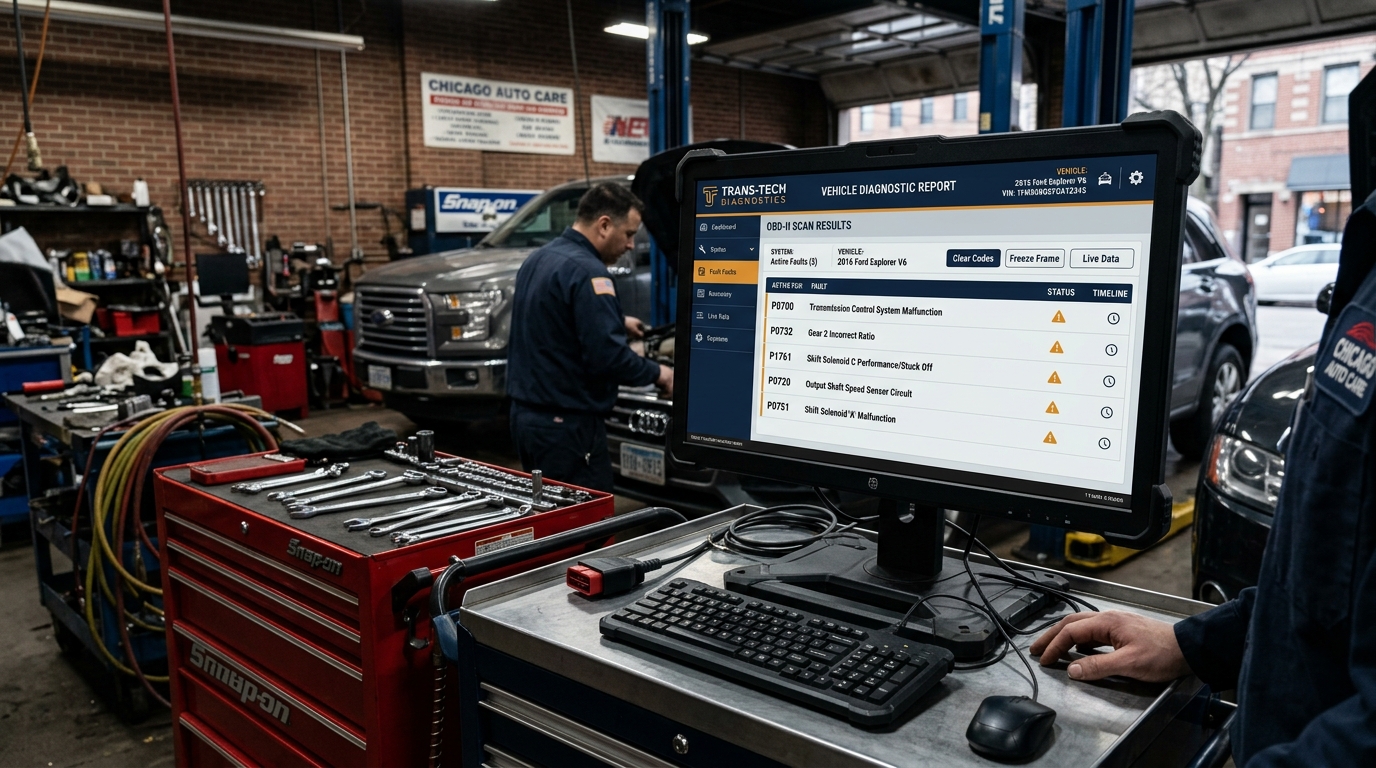
Begin with a comprehensive OBD-II scan. Use a professional-grade scanner capable of reading transmission-specific codes, freeze-frame data, and live sensor values. Record all stored and pending codes, noting whether P0760 appears alone or with companion codes (P0750, P0755, P0765). Multiple solenoid codes together suggest a systemic cause - connector corrosion, solenoid pack failure, or contaminated fluid - rather than an isolated Solenoid C fault. Note freeze-frame conditions: engine RPM, vehicle speed, throttle position, transmission fluid temperature, and Solenoid C command status.
Inspect the transmission fluid. Check level and condition at operating temperature with the engine running (follow the manufacturer's specific procedure). Evaluate color, smell, and particulate content on a white paper towel. Severely degraded fluid may be the root cause or may indicate that internal hard-part damage has contaminated the system beyond what a solenoid replacement can fix.
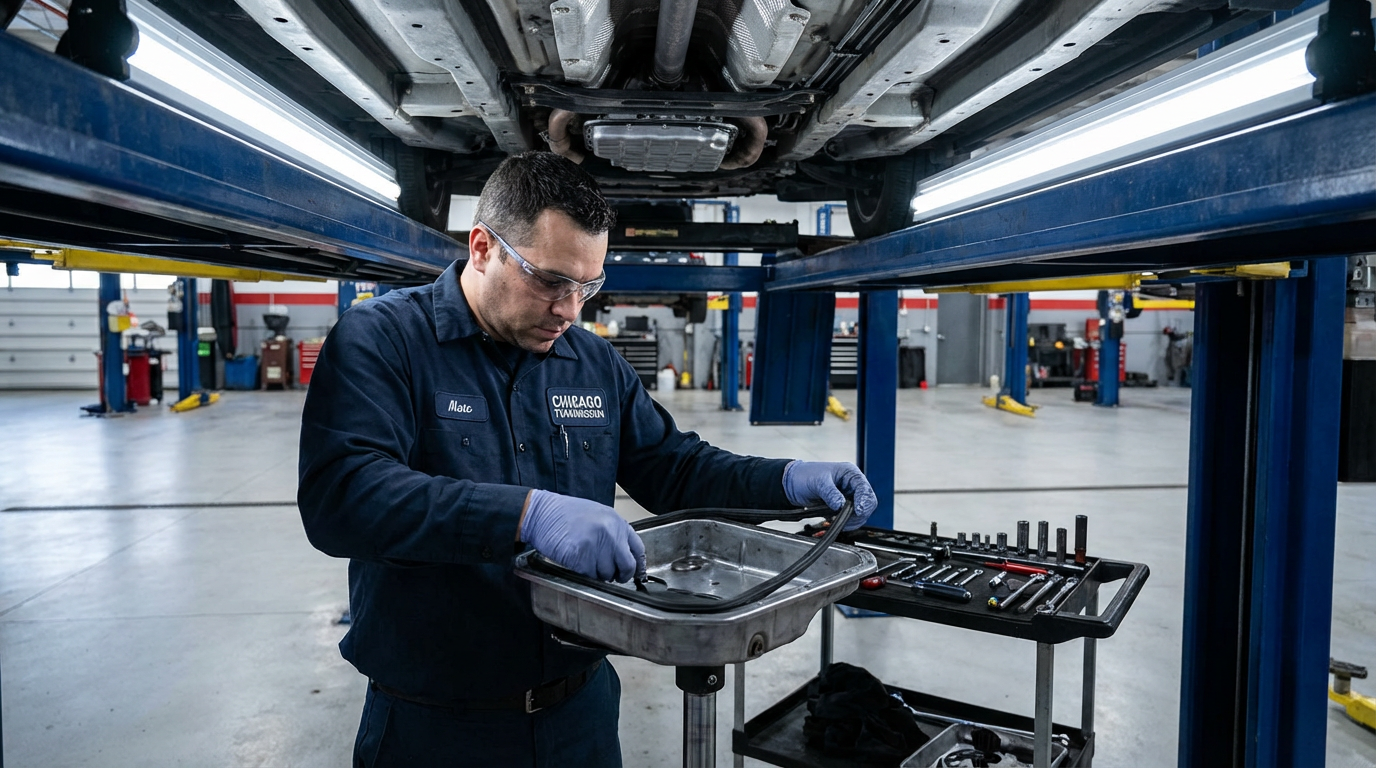
Move to the electrical circuit. Disconnect the transmission case connector and visually inspect each pin for corrosion, discoloration, or physical damage. On Chrysler 68RFE transmissions, the connector points upward and requires a small inspection mirror to see properly. Use a digital multimeter to measure Shift Solenoid C resistance through the harness: approximately 1.8 ohms for Chrysler 68RFE, 11 to 16 ohms for Ford and Toyota, 10 to 20 ohms for Kia and Hyundai. An infinite reading confirms an open coil or severed wire. A reading significantly below specification suggests a short. A room-temperature reading within specification should be rechecked at operating temperature to catch thermally sensitive failures.
On Chrysler 68RFE platforms specifically, verify the solenoid pack connector color. A gray connector indicates a 2011-and-later module that lacks the OD solenoid - installing this in a pre-2011 truck will set P0760 permanently. The correct module for pre-2011 trucks has a white connector.
Using the scan tool's bidirectional controls, command Solenoid C on and off while monitoring current draw. On platforms that support it, apply a 12-volt reference directly to the solenoid control wire and listen for a mechanical click - absence of the click with correct voltage applied indicates a failed coil or mechanically bound plunger.
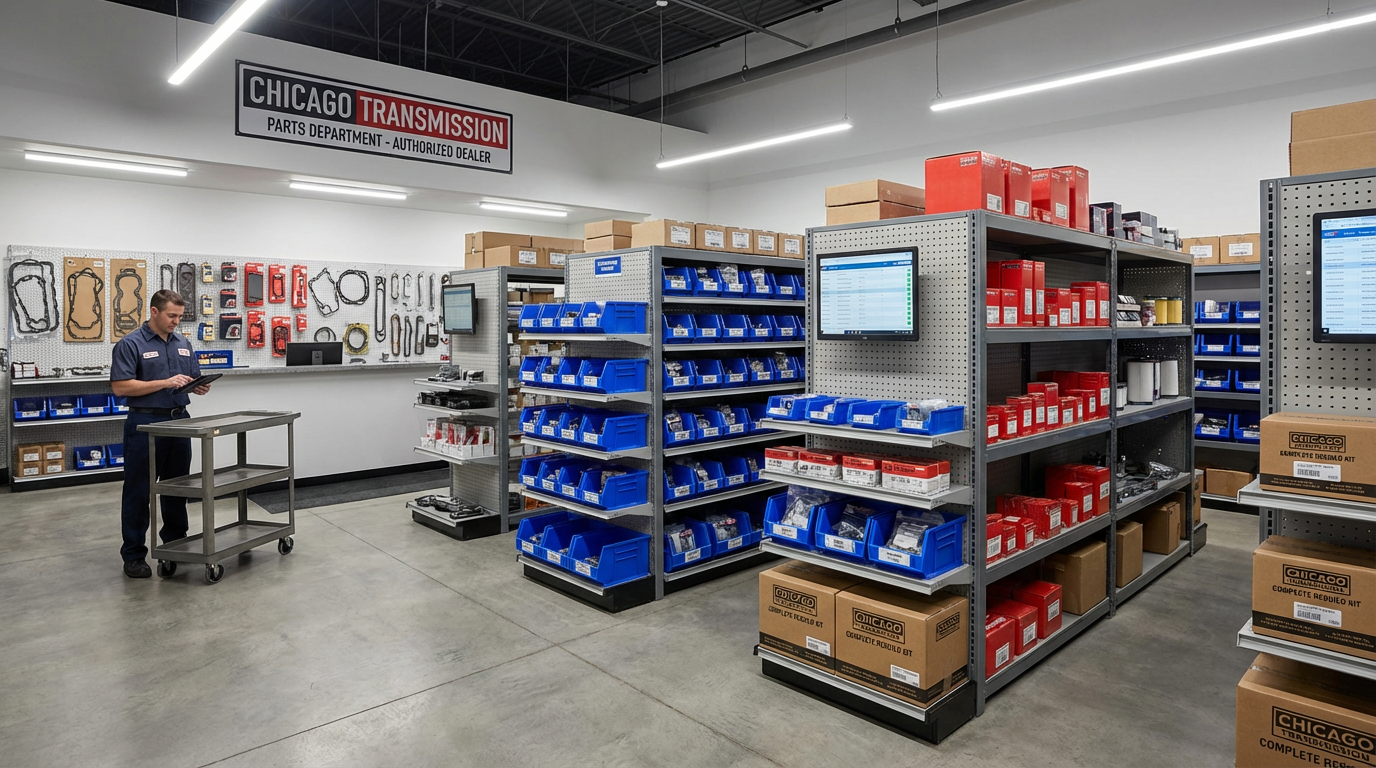
On Chrysler platforms, the wire-swap diagnostic technique (described in detail in the P0750 article) can isolate whether the fault lies in the wiring, the solenoid module, or the TCM driver chip. Swap the OD solenoid circuit with another solenoid circuit at both ends of the harness. If the fault code follows the wire, the wire is at fault. If it stays with the OD designation, the problem is the solenoid or the TCM.
If all electrical tests pass but the code persists, drop the transmission pan and perform a visual inspection. Look for metallic debris, clutch material, and varnish deposits. On Chrysler RFE transmissions, inspect the solenoid module for signs of internal cracking or burnt coil insulation. On Ford 5R55 transmissions, inspect servo bores for scoring.
Repair Cost Summary for Chicago-Area Shops
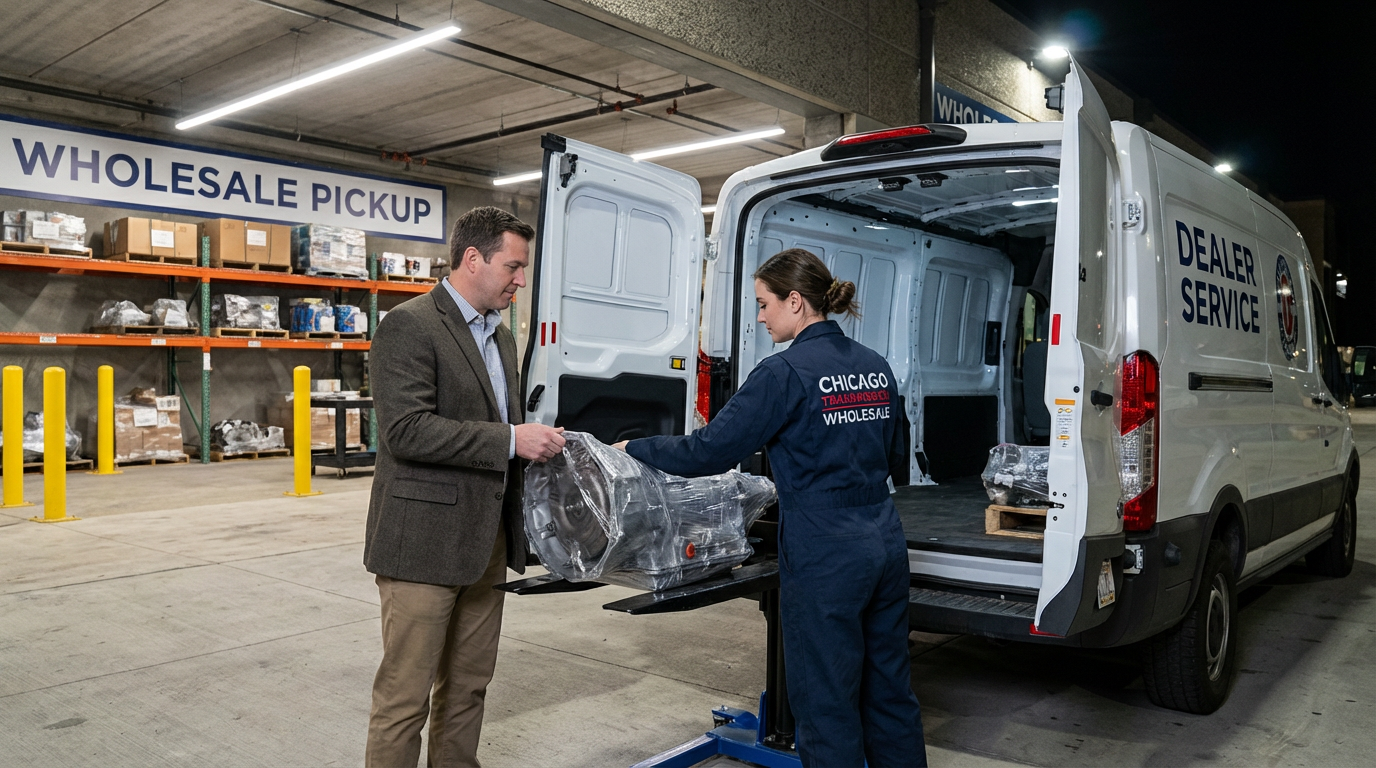
Chicago-area labor rates vary by shop, vehicle access, and whether programming is required. The following repair paths should be quoted after diagnosis.
Wiring and connector repair and resolves approximately 25 to 35 percent of P0760 cases. This is the lowest-cost repair and should always be evaluated first.

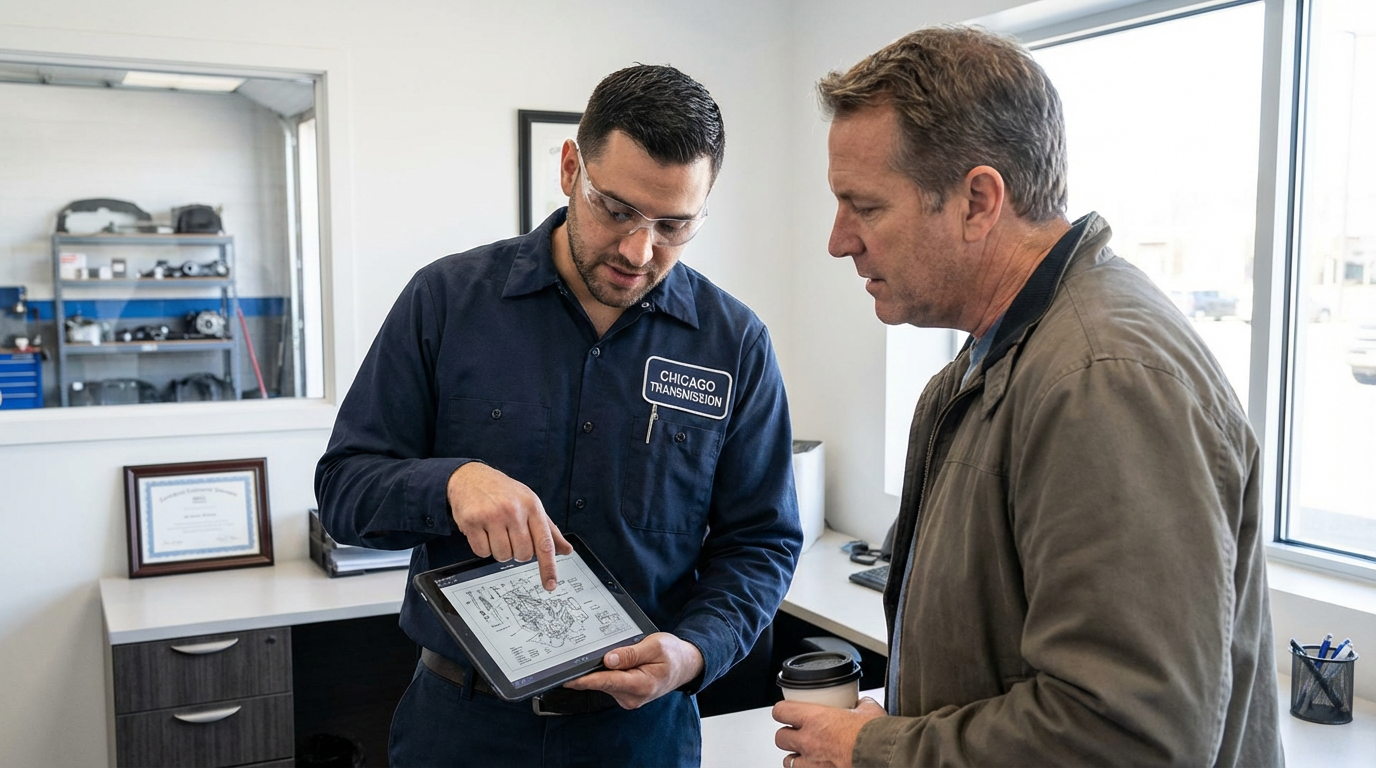
Full transmission rebuild ranges for common units. Remanufactured replacement transmissions, with warranties of 12 to 36 months or 12,000 to 100,000 miles.
Vehicles Most Commonly Affected by P0760
Chrysler, Dodge, and Ram vehicles with the 45RFE, 545RFE, and 68RFE transmissions are the most frequently cited platforms for P0760. These include Ram 1500, 2500, and 3500 trucks, Dodge Dakota and Durango, and Jeep Grand Cherokee and Commander. The OD solenoid within the sealed solenoid/TRS module is the specific component at fault, and the solenoid pack version compatibility issue (white vs. gray connector) makes this platform uniquely prone to misdiagnosis.
Ford F-150, Explorer, and Ranger models with the 5R55W/S and later multi-speed transmissions report P0760, typically linked to the integrated solenoid block and the platform's known servo bore wear issues.
Toyota Camry, Corolla, Tacoma, and RAV4 models with four- and five-speed automatics appear in P0760 case studies with moderate frequency. Individual solenoid replacement is relatively straightforward on many Toyota transmissions, with parts readily available.
Kia and Hyundai models - including the Soul, Optima, Forte, Elantra, Sonata, and Tucson - report P0760 alongside P0755 in some cases, pointing to solenoid pack or wiring issues. A Kia Soul Owner's Club Facebook post describes P0755 and P0760 appearing together, consistent with a solenoid pack or connector fault.
Honda Accord and Civic models from the early to mid-2000s, Dodge Charger and Challenger, and various Acura models also appear in P0760 repair databases, generally at lower frequency than the Chrysler truck platforms.
Chicago-Specific Factors That Contribute to P0760
The environmental factors that accelerate P0760 in the Chicago area are identical to those affecting P0750 and P0755, and their impact compounds across all solenoids simultaneously - meaning that a vehicle operating in Chicago's climate is accumulating wear on Solenoids A, B, and C at an accelerated rate relative to vehicles in milder, drier environments.
Winter road salt corrodes the transmission case connector. The connector for the Chrysler 68RFE is mounted in a position where it points upward, which would ordinarily protect it from direct splash - but on RFE transmissions, the engineer-recommended mirror inspection reveals that moisture and salt solution can still intrude through capillary action and condensation cycles. An annual disconnection, cleaning, and application of dielectric grease is particularly critical on this platform.
Cold-soak conditions slow the OD solenoid's response time. On the 68RFE, the low-resistance coil (1.8 ohms) draws substantial current, and any additional resistance from a corroded pin or cold-contracted connector can reduce the current below the TCM's detection threshold, triggering the continuity test failure that stores P0760. This explains the pattern described in forum posts of P0760 appearing after multi-day cold soaks and clearing after the transmission warms.
Stop-and-go traffic on Chicago expressways generates a high number of shift events per mile, stressing all solenoid coils, springs, and valve seats. The cumulative fatigue effect is greatest on vehicles driven in dense city traffic.
Summer heat pushes fluid temperatures above 220 degrees Fahrenheit during slow traffic, accelerating oxidation and varnish formation that clog solenoid passages and valve-body bores.
Prevention Tips for Chicago Vehicle Owners
The preventive strategy for P0760 is consistent with the approach described for P0750 and P0755, reflecting the shared vulnerability of all shift solenoids to the same stressors. Several points bear additional emphasis for Solenoid C.
Follow a severe-service fluid and filter change interval of every 25,000 to 35,000 miles. A fluid service prevents the varnish buildup and contamination that clog all solenoids, including the overdrive solenoid that triggers P0760.
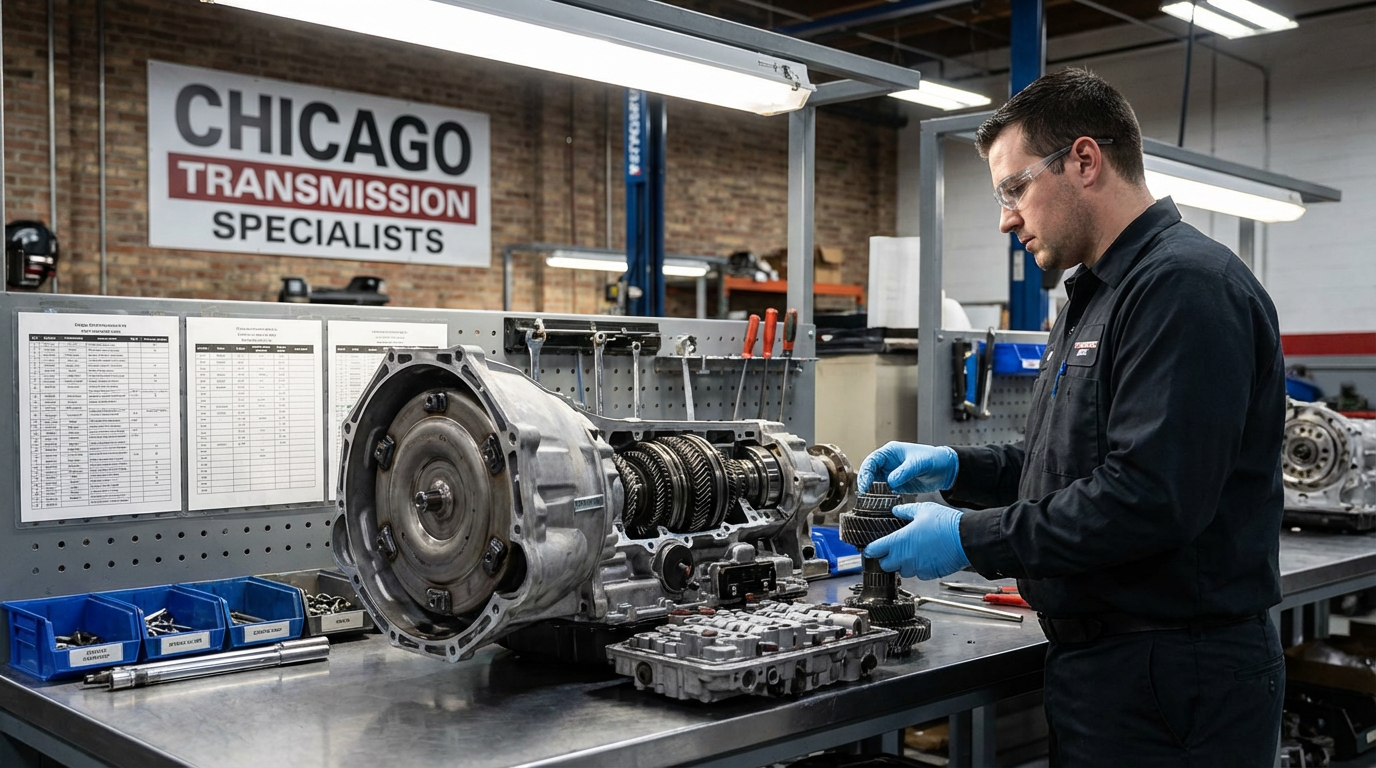
Inspect and protect the transmission case connector annually. On Chrysler 68RFE trucks, use a small mirror to inspect the upward-facing connector, spray with electrical cleaner, dry with compressed air, apply dielectric grease to every pin, and verify the secondary lock and locking lever are fully engaged. Check the individual wire seals for cracking - a single failed seal can admit enough moisture to corrode the OD solenoid pin and trigger P0760.
When replacing solenoid packs on Chrysler 68RFE transmissions, always verify the connector color. White connector = pre-2011 module with OD solenoid. Gray connector = 2011-and-later module without OD solenoid. Installing the wrong version sets P0760 permanently and is not a defect - it is a compatibility mismatch.
When replacing solenoids or solenoid packs on any platform, replace the transmission filter and fluid simultaneously. The pan is already off, and the marginal cost prevents recontamination.
For vehicles used in heavy towing or sustained highway driving - conditions common for Ram 2500/3500 owners who commute from Chicago's suburbs - consider an upgraded aftermarket valve body (BD Diesel, RevMax) paired with a new solenoid module and transmission tuning for long-term durability.
Monitor for early warning signs: elevated highway RPMs, a single harsh shift, a momentary overdrive flicker, or a check-engine light that appears and clears. Each occurrence is a degradation event that, if addressed promptly, may be resolved with a connector cleaning or fluid service rather than a solenoid pack replacement.
Frequently Asked Questions
What does P0760 mean in plain language?
P0760 means the computer controlling your automatic transmission has detected a problem with Shift Solenoid C - one of the internal valves that directs hydraulic fluid to engage specific gears. On Chrysler Ram trucks, this specifically means the overdrive solenoid. On other makes, it typically controls a mid-to-upper gear transition. The result is usually a loss of a gear, harsh shifting, or limp mode.
How serious is P0760?
P0760 is a serious code. Losing overdrive or a mid-range gear forces the engine to run at higher RPMs, generating excess heat and consuming more fuel. The transmission may enter limp mode, limiting speed to 25 to 40 mph. Prompt diagnosis is strongly recommended to prevent progressive damage.
Can a fluid change fix P0760?
In approximately 15 to 25 percent of cases where the fluid is degraded but internal components remain intact, a fluid and filter service resolves the code. If the fluid is dark and contains metallic particles, deeper damage is likely.
Why does P0760 appear after a solenoid pack replacement on my Ram truck?
The most common reason is a solenoid pack version mismatch. The 2011-and-later 68RFE solenoid module (gray connector) does not include the OD solenoid. If installed in a pre-2011 truck requiring a white-connector module, the TCM will set P0760 on every drive cycle because it cannot find the OD solenoid coil. The fix is to install the correct white-connector module.
What is the difference between P0760 and P0763?
P0760 is a general malfunction code for Shift Solenoid C - it could be electrical, mechanical, or hydraulic. P0763 specifically identifies an electrical fault in the solenoid circuit (open, short to ground, or short to power). P0763 narrows the diagnostic focus to wiring, connectors, and the solenoid coil, while P0760 requires a broader investigation.
What if P0760 appears alongside P0750 and P0755?
Multiple solenoid codes stored simultaneously strongly suggest a systemic cause: a corroded transmission case connector, a failing solenoid pack, or severely contaminated fluid. Address the connector and fluid first before replacing individual components.
Can I replace Shift Solenoid C myself?
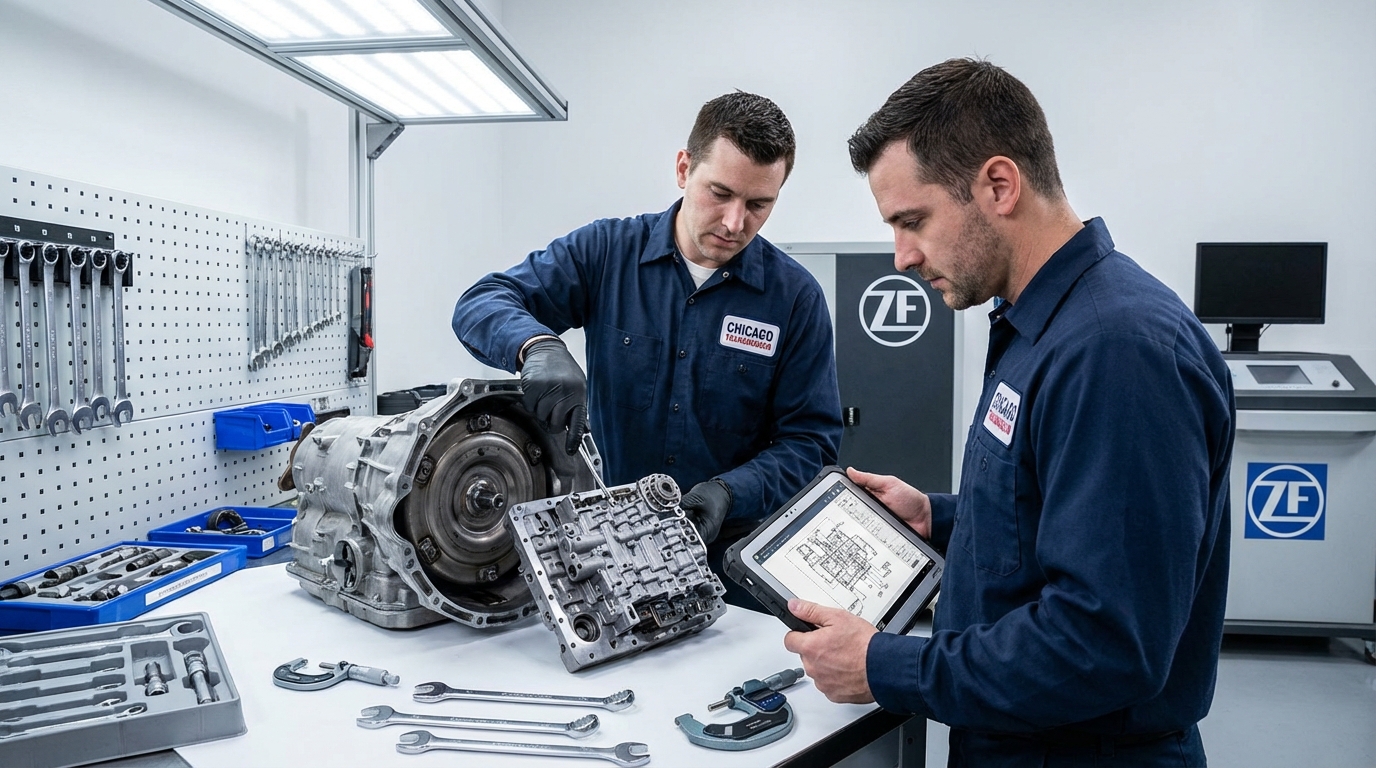
On platforms where Solenoid C is individually accessible (some Toyota and Kia models), DIY replacement is moderately feasible with the correct tools, torque specifications, and fluid. On Chrysler RFE transmissions where the solenoid is part of a sealed module, the job requires careful harness disconnection and valve-body access - intermediate difficulty. On all platforms, verify the correct part number and connector type before purchasing.
How long does a P0760 repair take?
A connector cleaning and fluid service takes one to two hours. Solenoid or solenoid pack replacement takes two to four hours. Valve-body work takes four to eight hours. A full transmission rebuild requires eight to fifteen hours, typically translating to two to five business days at a Chicago-area shop.
Final Thoughts
P0760 completes the trio of primary shift solenoid codes - A, B, and C - that form the backbone of automatic transmission gear control. Like its siblings P0750 and P0755, a Shift Solenoid C malfunction directly compromises the transmission's ability to engage a specific gear, and the consequences range from elevated highway RPMs and reduced fuel economy to full limp mode. On Chrysler RFE-equipped trucks, the code carries an additional layer of complexity in the form of the solenoid pack version compatibility issue, which has tripped up both DIY installers and professional shops. In Chicago, where salt, cold, heat, and traffic collectively stress every component in the solenoid circuit, the path to prevention is familiar and effective: maintain fluid on a severe-service schedule, protect the case connector with annual cleaning and dielectric grease, verify the correct solenoid pack version when replacing parts, and investigate the first sign of a shifting irregularity before a connector cleaning becomes a rebuild.
Internal Link Targets: P0700, P0715, P0720, P0730, P0740, P0741, P0742, P0743, P0744, P0750, P0755, P0761, P0762, P0763, P0764, P0765, P0770
Schema Markup: FAQPage (8 Q&A pairs), HowTo (diagnostic steps), Article (main body)
Series Progress: 23 of 50 articles completed (46%). P0760 is now Done.

Have a Transmission Problem?
Get a Diagnosis-first inspection from Chicago transmission repair support.