Slipping is one of the symptoms drivers should not try to explain away. The goal is to separate a temporary condition, an external problem, and a real internal transmission issue before extra driving adds heat and damage.
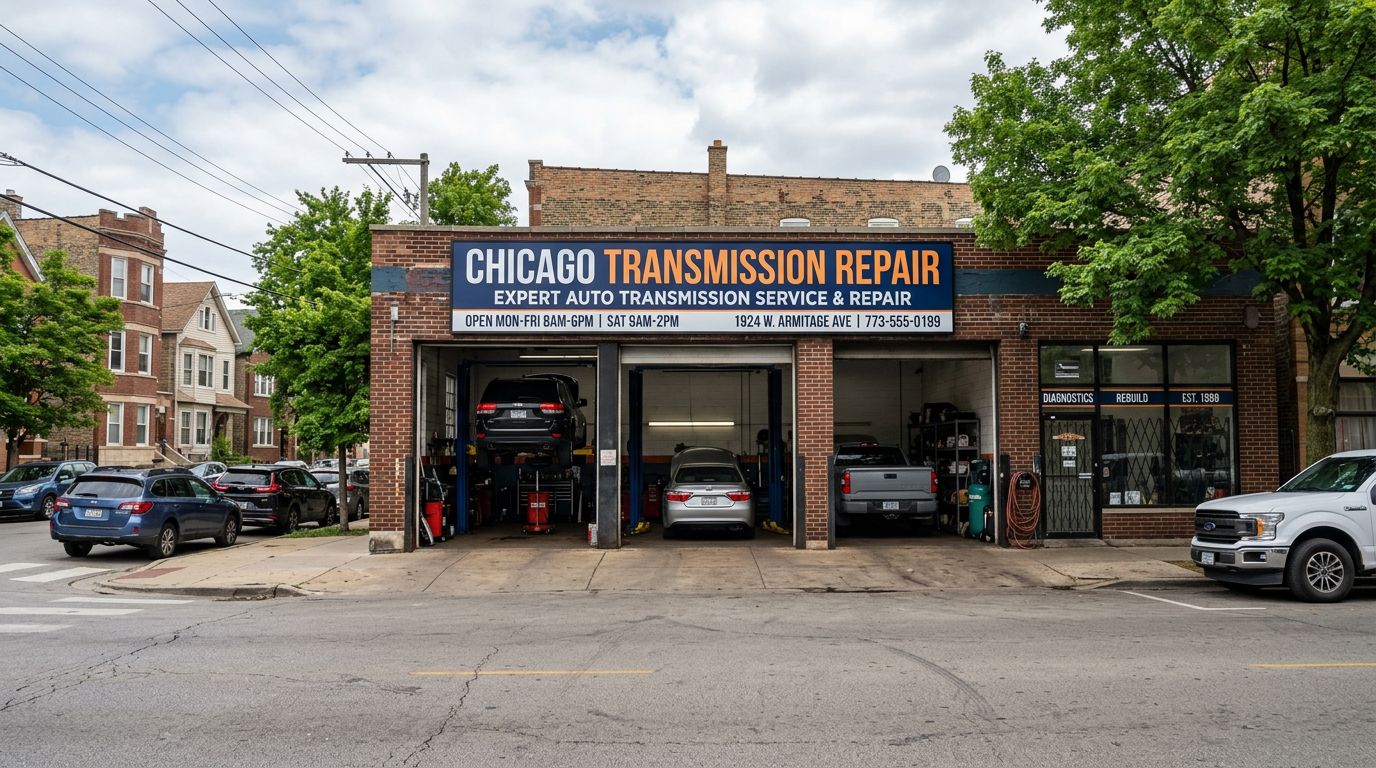
What slipping usually feels like
A slipping transmission can feel like the engine revs but the car does not speed up, a shift takes too long, the vehicle bumps into gear after a pause, or the car shudders under light throttle. Some drivers notice it most leaving a stoplight on Cermak, Austin, Ogden, Roosevelt, or I-290 ramps where the transmission has to choose a low gear under load.
One brief flare is not the same as a confirmed internal failure, but repeated slipping is a sign to stop guessing. Heat builds quickly when clutches slip, and extra driving can turn a smaller issue into a larger one.
When to stop driving
Pull over or schedule a tow if the vehicle will not move normally, smells burnt, leaks red or brown fluid, bangs into gear, or shows a transmission temperature warning. Driving around town with a slipping unit can overheat the fluid faster than steady highway driving because every stop-and-go shift creates heat.
If the car still drives smoothly and there is no warning light, short local driving may be possible, but it is still worth getting it inspected before commuting across Chicago traffic.
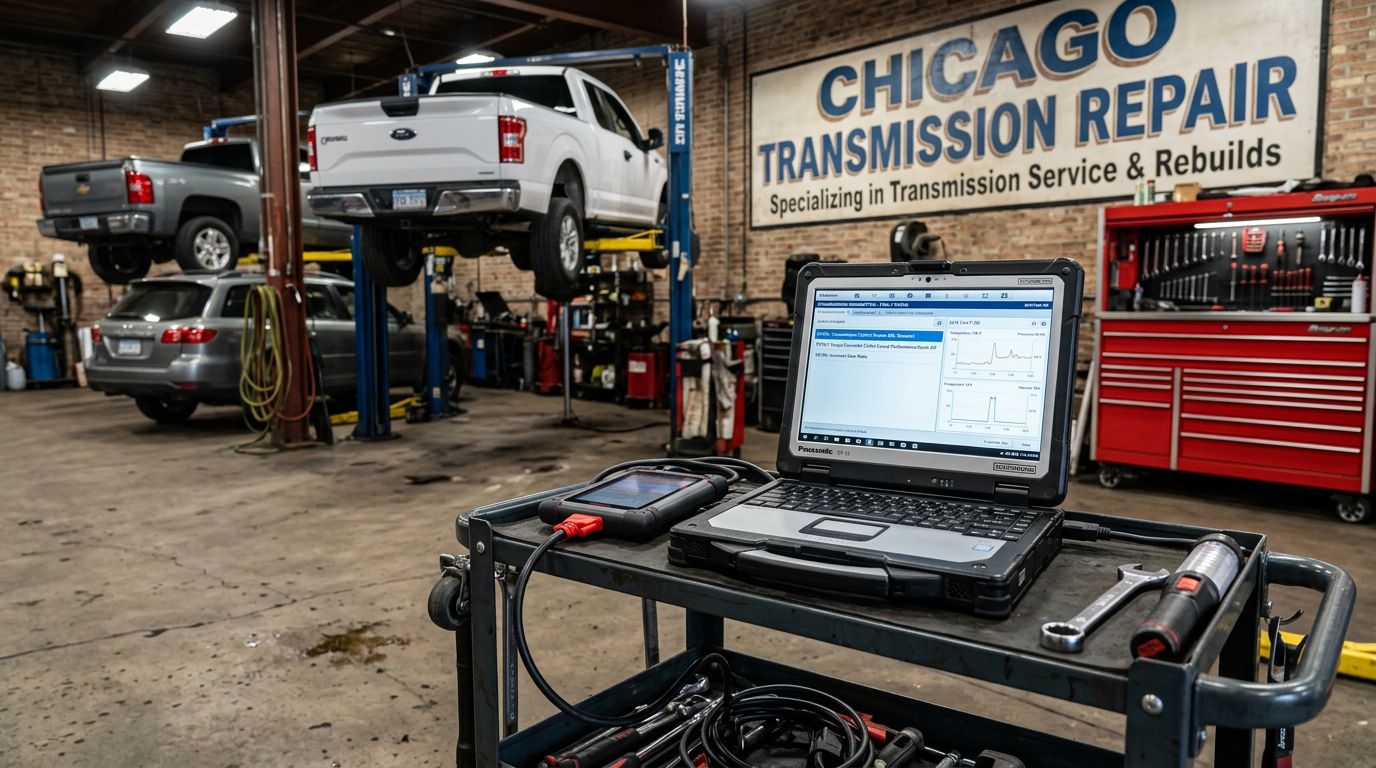
What the diagnostic should include
A useful inspection checks more than codes. The technician should scan the transmission module, inspect fluid level and condition, look for leaks, road test when safe, and check related systems such as mounts, cooler lines, axles, and electrical connectors.
That matters because a bad mount, low fluid, failing sensor, or external leak can mimic a deeper transmission problem. Good diagnosis separates evidence from assumptions.
Helpful next steps for Cicero-area drivers
Text the shop with your year, make, model, mileage, and the exact symptom. Include where it happens: cold start, after highway driving, uphill, reverse, first gear, or only after the vehicle warms up.
If you are near Cicero, Berwyn, Oak Park, Forest Park, Stickney, Lyons, or North Riverside, the goal is simple: get a clear answer before you keep driving or approve repair work.
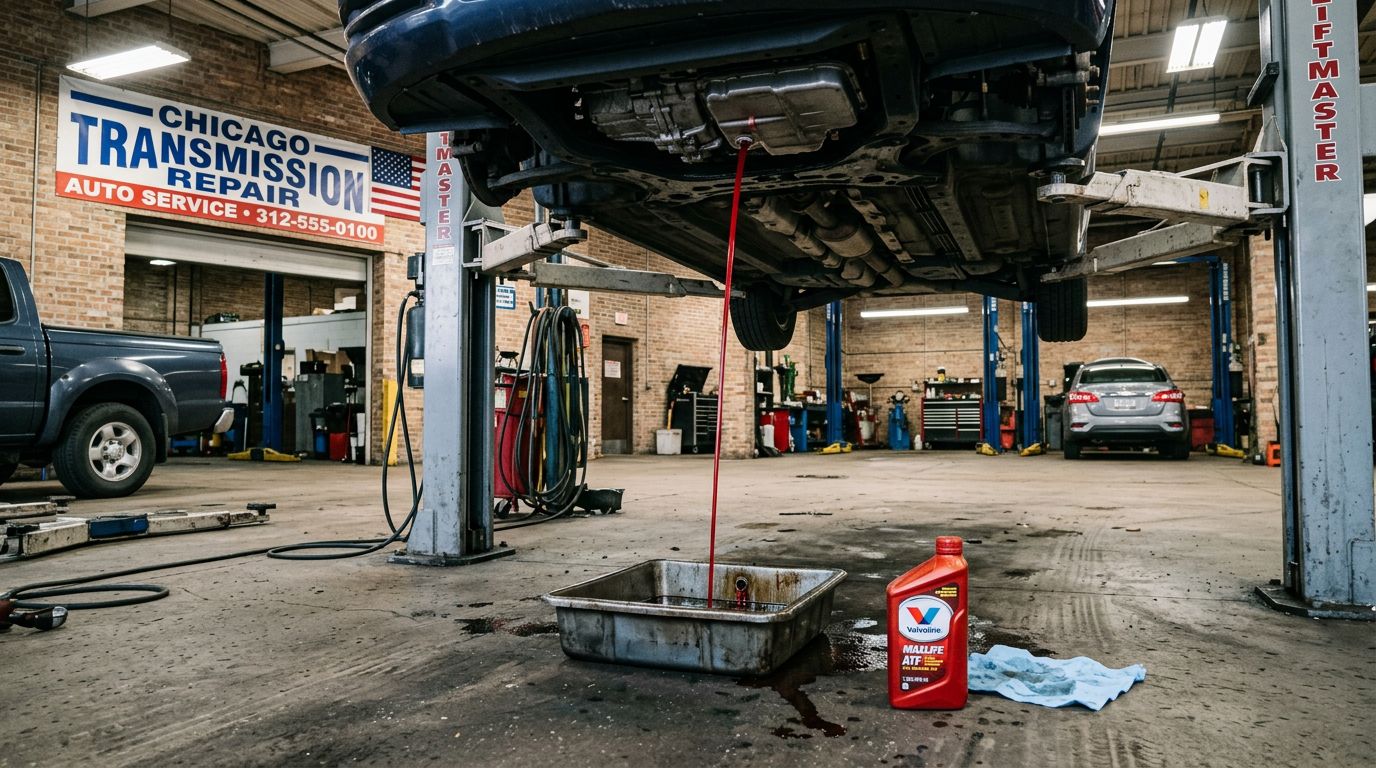
What to write down before you call or text
Write down the speed, gear, and driving condition when the slip happens. A slip leaving a stop, a flare during the 2-3 shift, and a shudder at steady cruise point technicians toward different tests.
Also note whether the problem changes after 15 minutes of driving. Heat-related symptoms often reveal low pressure, worn seals, converter clutch trouble, or fluid that is no longer controlling heat well.
What not to do when it starts slipping
Do not add random fluid, reset the battery, keep clearing codes, or keep test-driving the same hard acceleration over and over. Those steps can hide evidence or add heat without solving the reason the transmission is slipping.
Also avoid assuming a fluid service will fix every slip. Fluid condition matters, but if the fluid is burnt or full of clutch material, the inspection needs to explain what the material means before service work is recommended.
How city driving changes the risk
Cicero-area driving is usually stop-and-go: lights, buses, delivery traffic, tight parking, and short trips. That style creates repeated low-gear shifts, converter apply and release events, and heat cycles.
A vehicle that seems fine on a short highway cruise may act worse on Cermak, Roosevelt, Austin, Harlem, Ogden, or side streets because the transmission is shifting far more often.
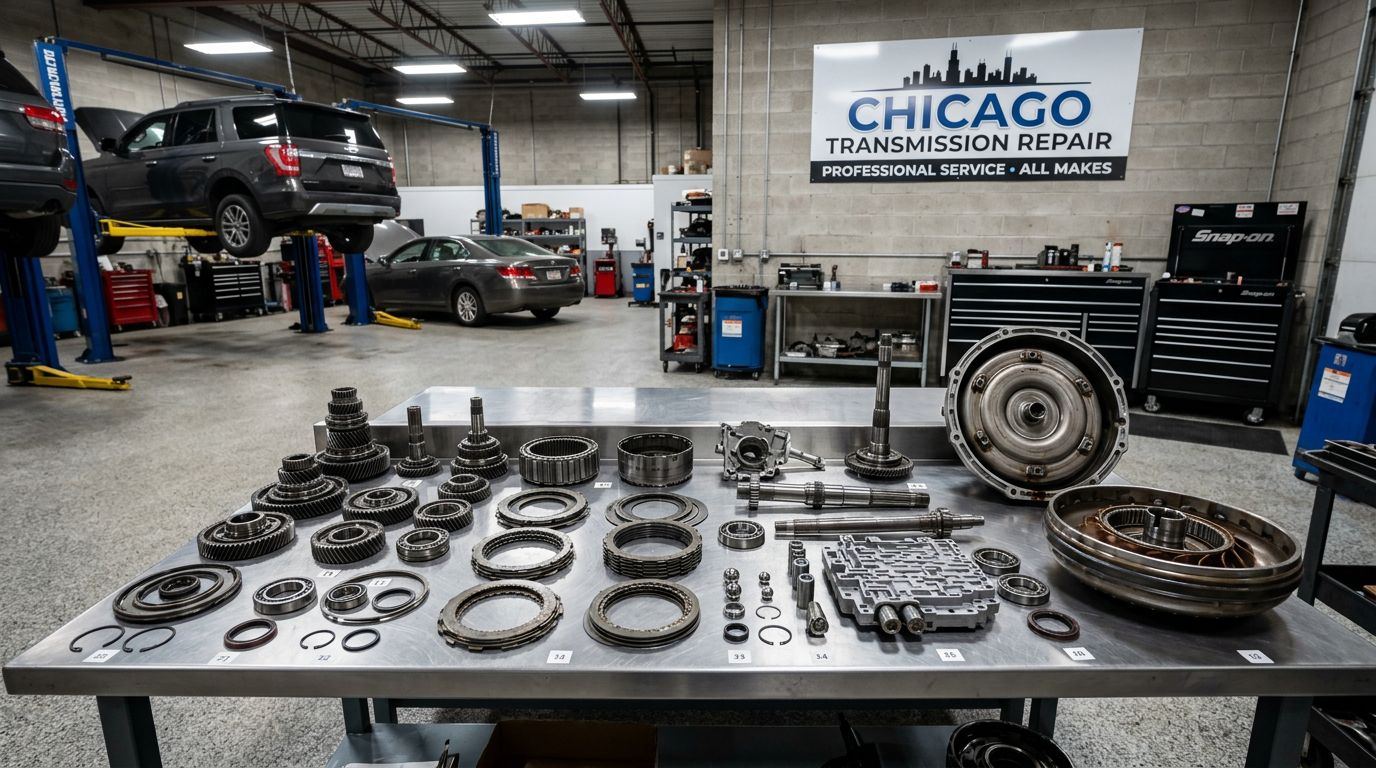
Questions the inspection should answer
A useful inspection should answer whether fluid level is correct, whether the fluid shows overheating or debris, whether codes match the symptom, whether the slip can be reproduced safely, and whether an external cause is present.
If the answer is still uncertain, the shop should say what is uncertain and what the next diagnostic step is. That is more useful than a confident guess.
Photos That Match This Repair Question