You put the car in drive and nothing happens. Or it moves barely a few feet before stopping. Or it shifts into gear but the engine revs and the car doesn't accelerate. These are some of the most alarming things that can happen in a vehicle - and they're almost always transmission-related. Here's what's actually causing it and what you're looking at for a fix.
First: Don't Force It
If your car won't engage drive or reverse, resist the urge to rev the engine and force it into motion. Forcing a transmission that isn't engaging hydraulically can destroy clutch packs that might otherwise be salvageable. Put the car in park, turn it off, and call for a tow or diagnosis before driving it further.
Most Common Causes
1. Low or Burned Transmission Fluid
Transmission fluid is what makes everything inside work - it's the hydraulic medium that actuates clutch packs and the lubricant for all moving parts. If the fluid is critically low (from a leak) or so burned and degraded it's lost its hydraulic properties, the transmission can't build enough pressure to engage any gear.
Check the dipstick if accessible on your vehicle (many newer cars don't have one). If fluid is dark brown, smells burnt, or the level is low, that's the first thing to address. A fluid service may help when the issue is caught early. But if the fluid has been burned due to overheating or running low for extended mileage, internal damage may already exist - a diagnostic is needed to assess the extent.
2. Shift Solenoid Failure
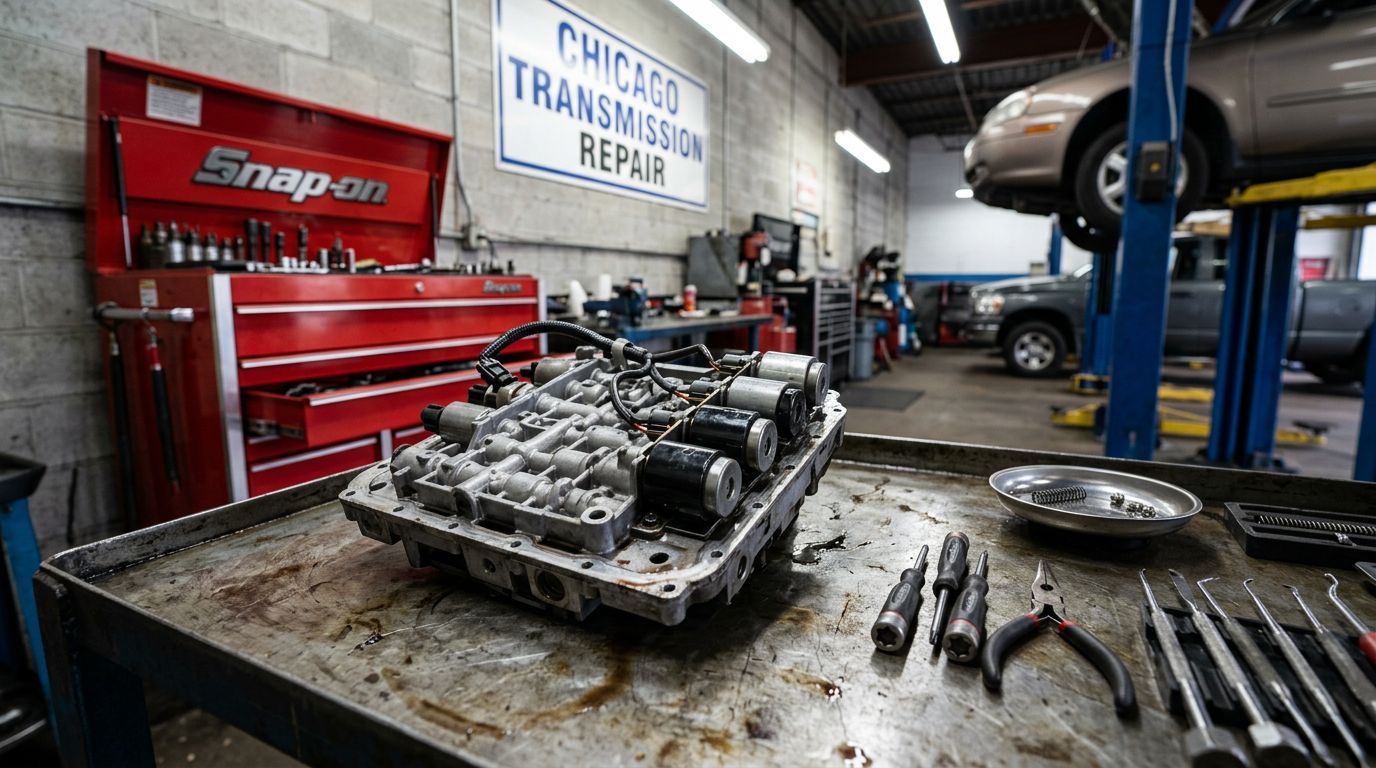
Solenoids are electro-hydraulic valves that direct fluid to different clutch packs to achieve different gears. When a solenoid fails - or when a wiring harness fault prevents solenoids from receiving signals - gears stop engaging. You may see P0750 - P0770 codes. This is often repairable without a full rebuild: solenoid replacement may solve it depending on the vehicle and which solenoid is involved.
3. Valve Body Failure
The valve body is the hydraulic control manifold - a complex block of valves, channels, and solenoids that directs fluid throughout the transmission. When internal valves stick or wear, fluid routing fails and specific gears won't engage. Valve body service or replacement may be needed depending on the vehicle and test results.
4. Torque Converter Failure
The torque converter is the fluid coupling between the engine and transmission. If the converter's pump fails, there's no hydraulic pressure to engage any gear. The car will idle and rev, but nothing happens when you select drive or reverse. Torque converter replacement requires transmission removal, so diagnosis matters before parts are ordered.
5. Mechanical Failure (Broken Internal Components)
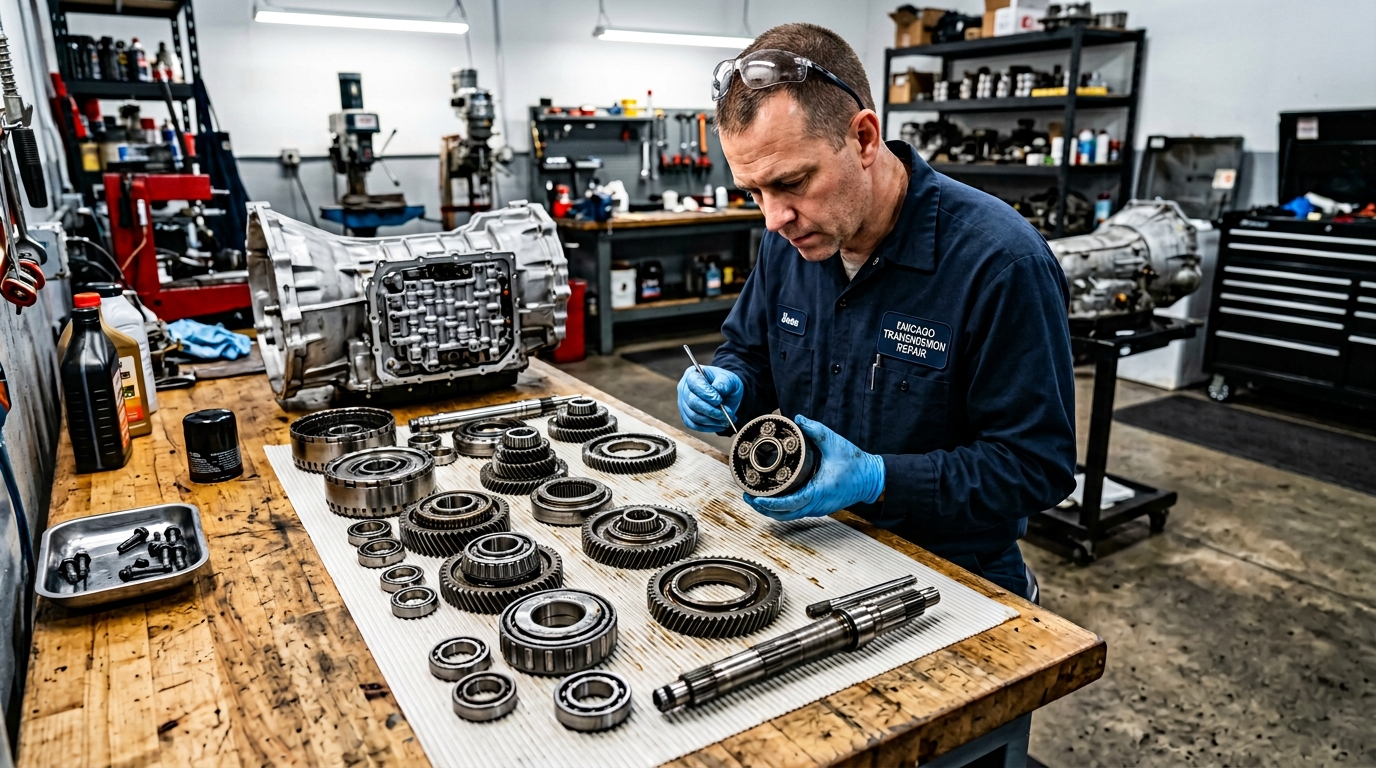
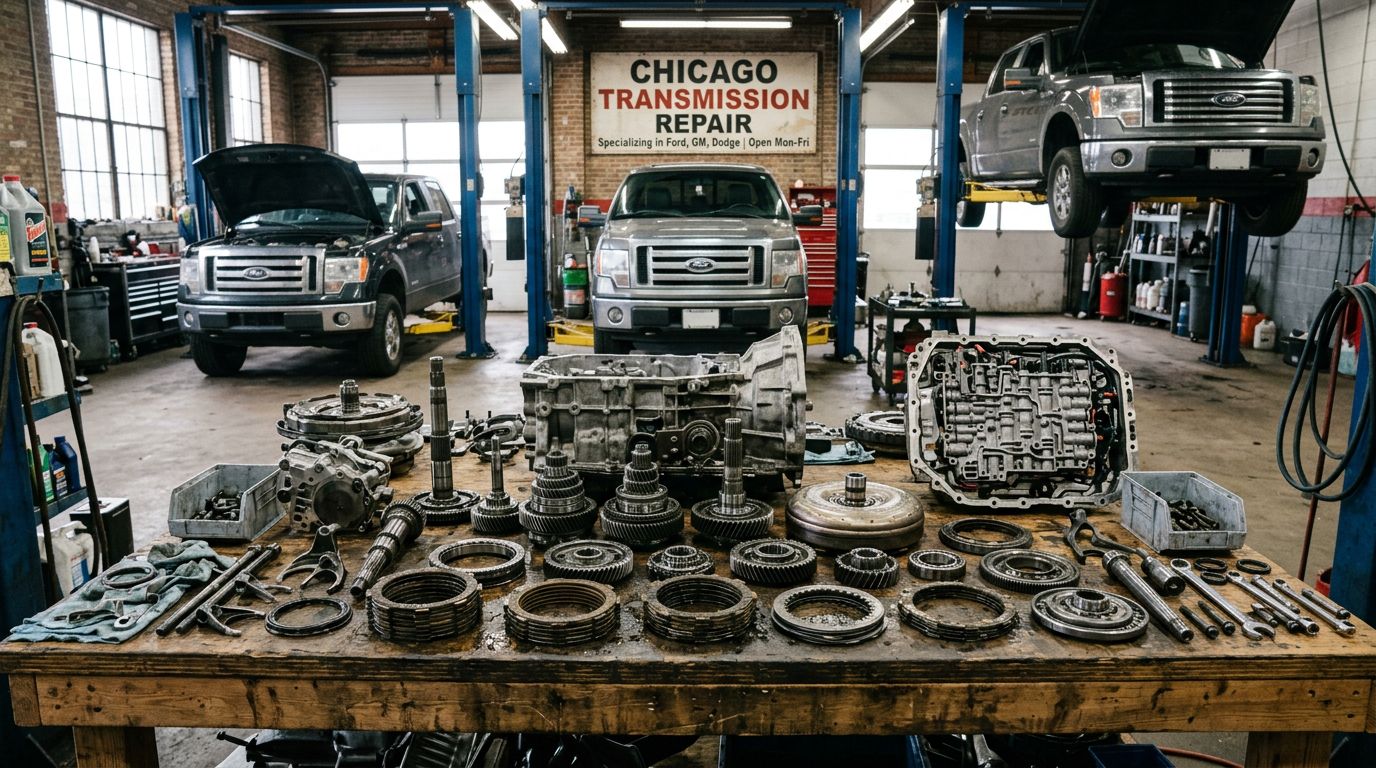
Broken planetary gears, failed clutch packs, or a cracked pump housing can prevent gear engagement entirely. These scenarios typically require a full rebuild or replacement - the damage is internal to the mechanical assembly, not an electrical or hydraulic issue.
6. Shift Linkage or Cable Problem
Before assuming the worst, it's worth checking the shift linkage - the mechanical connection between the gear selector and the transmission. A broken or disconnected cable means the selector moves but the transmission doesn't receive the command. This is the most optimistic scenario: shift cable replacement and doesn't involve opening the transmission at all.
What the Diagnostic Reveals
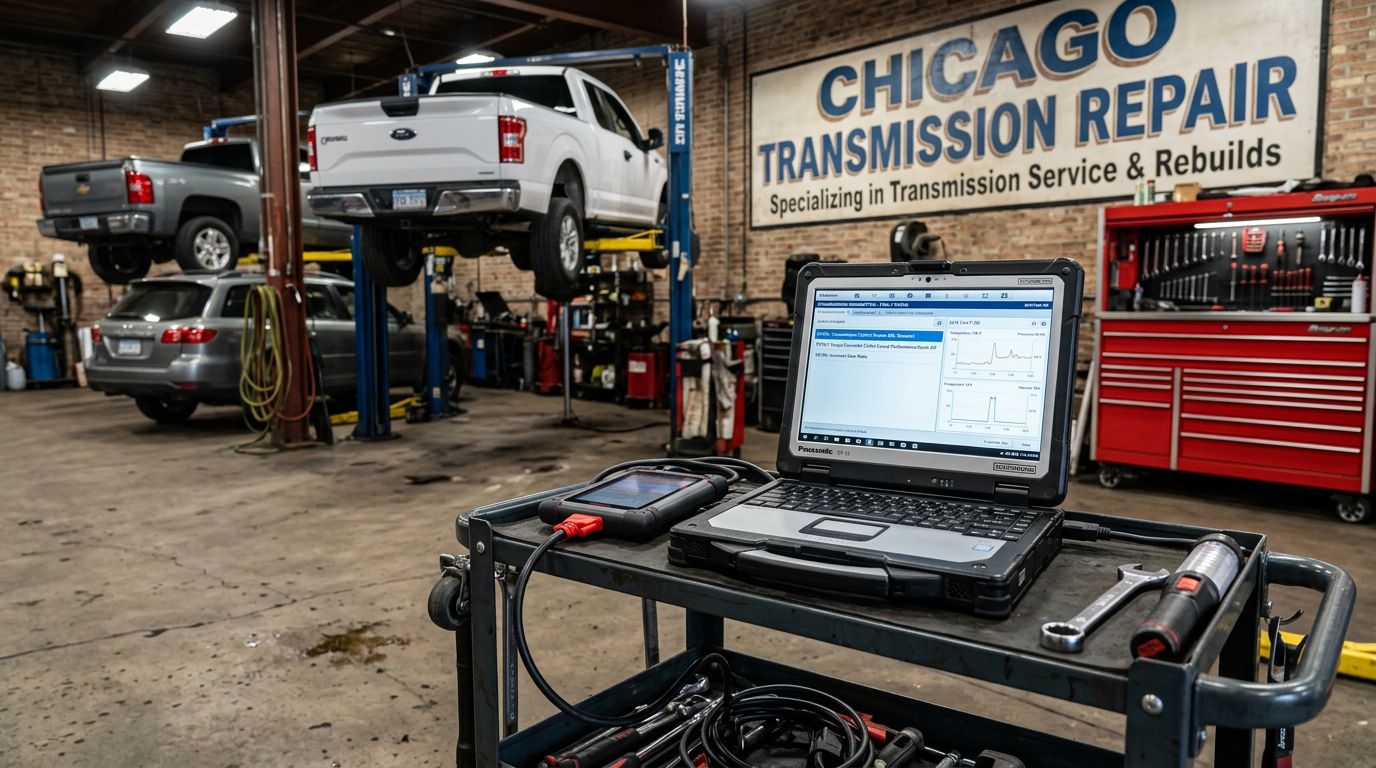
A proper diagnostic tells us within 90 minutes which of these scenarios applies. Computer codes narrow the field immediately - solenoid faults, pressure sensor codes, and gear ratio errors all point to different root causes. The road test and fluid inspection fill in the rest.
Cost range for the underlying issue once diagnosed:
- Fluid service (if fluid is the issue): quoted after diagnosis
- Shift cable: quoted after diagnosis
- Solenoid replacement: quoted after diagnosis
- Valve body service: quoted after diagnosis
- Torque converter: quoted after diagnosis
- Full rebuild: quoted after diagnosis
The diagnostic is free. The quote is written before any work starts. Call (312) 626-8759 or arrange a tow to shop options near Southwest Chicago.