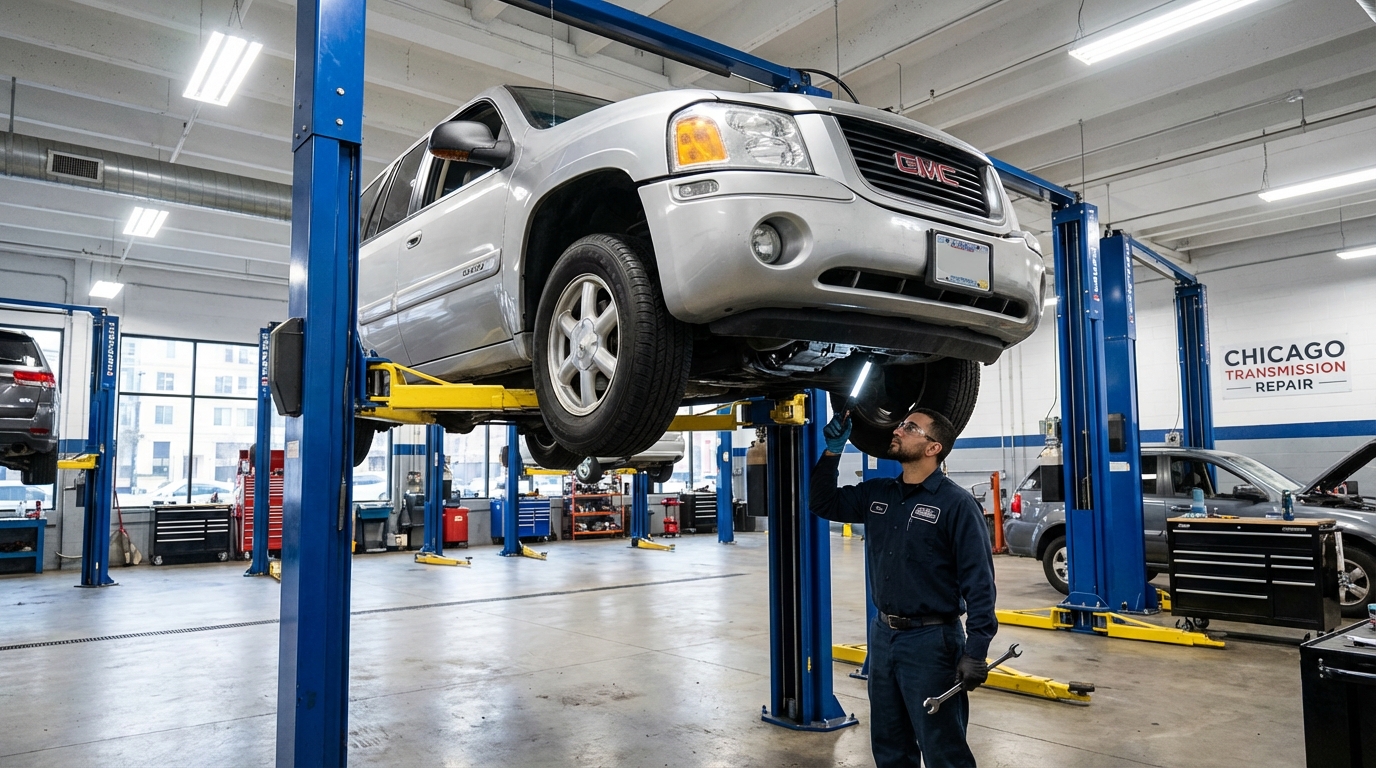
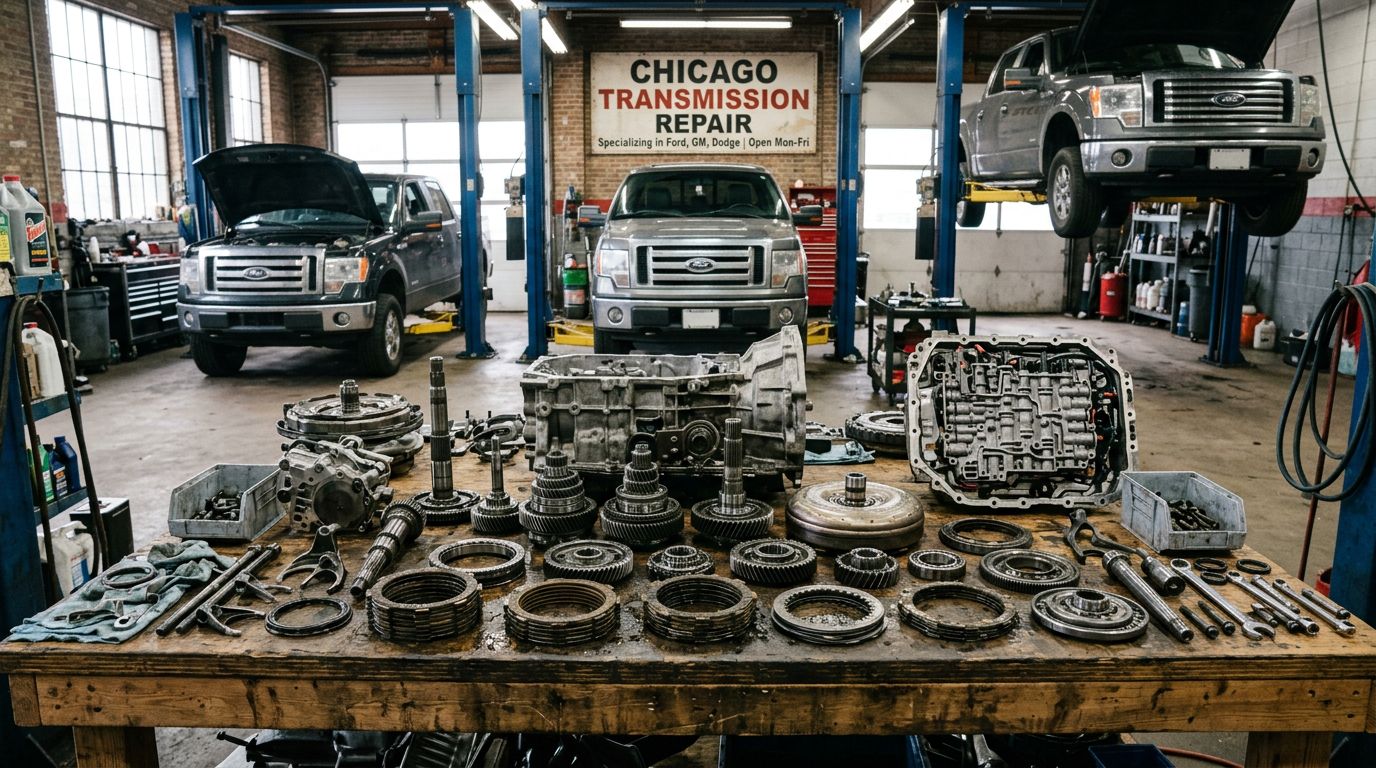
Every transmission shop in Chicago calls itself the best. Most reviews say something vague about "great service" and "fair prices." Neither tells you anything useful when you're deciding where to trust a major repair. Here are six objective criteria that separate great transmission shops from ones that will cost you more in the long run - and how any shop (including us) should measure against them.
1. Transmission-Only or Transmission-First Focus
General auto repair shops do everything - oil changes, brakes, /C, transmission. Transmission specialist shops do one thing deeply. The difference matters because transmission diagnostics require pattern recognition built from hundreds of cases, not just a service manual.
sk any shop you're evaluating: what percentage of your work is transmission-specific? If the answer is less than 70%, you're at a general shop that does some transmission work - not a transmission specialist.
2. Written Quote Before Work Begins
Any reputable shop provides a written quote, including parts and labor, before starting any repair. This protects you from scope creep - the practice of starting cheap and adding charges as the job "reveals more problems." The quote should itemize what's being replaced, what parts brand, and what the warranty covers.
If a shop wants to "get into it" before they can give you a number, that's a warning sign. A proper diagnostic tells you what's wrong; the quote follows from that. No diagnostic, no quote, no work - in that order.
3. Real Warranty on Rebuild Work
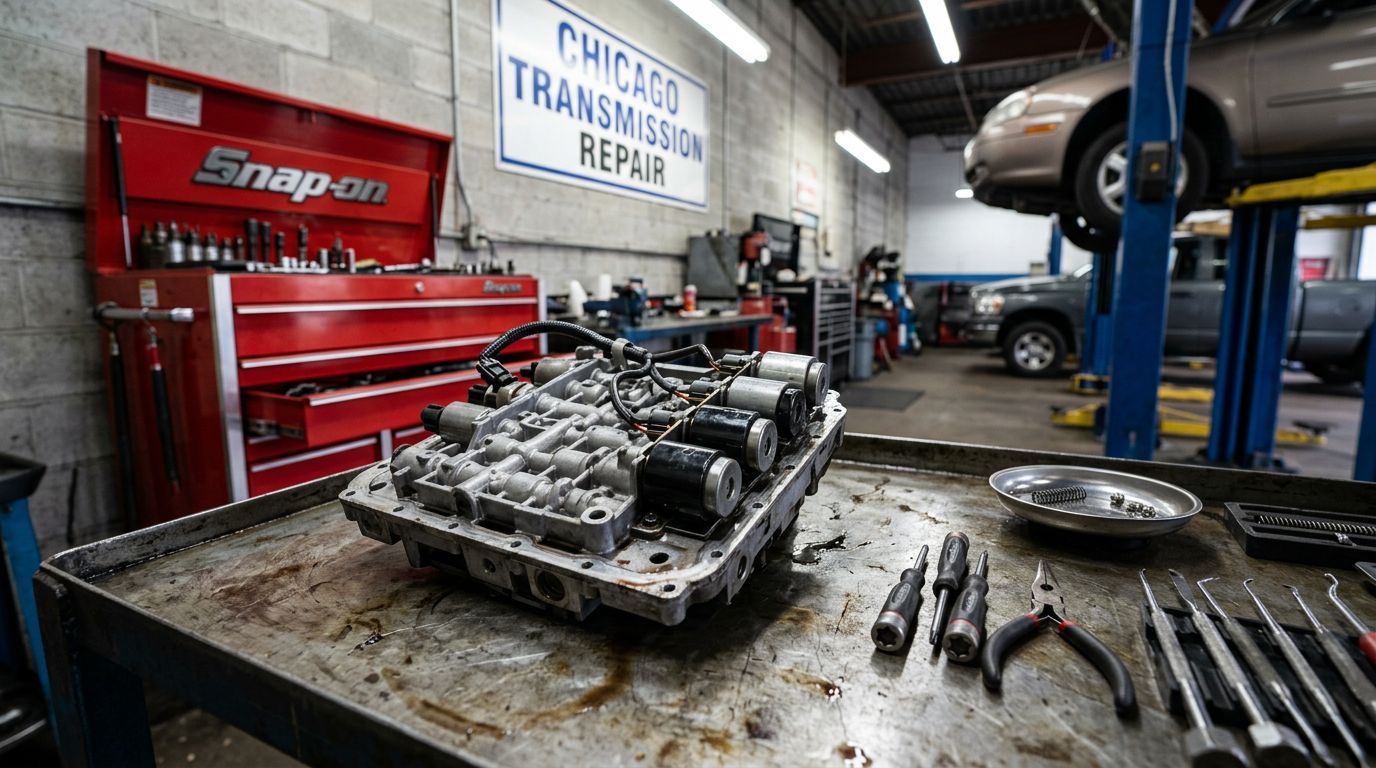
A 90-day or 12-month warranty on a transmission rebuild is thin coverage. A quality rebuild should last years, and the warranty should spell out exactly what is covered. Ask for the written term, mileage limit, exclusions, and whether parts and labor are both included before you approve the job.
Get the warranty in writing. Read what's covered and what's excluded. "Parts only" warranties that exclude labor mean the shop won't pay for reinstallation if the rebuilt transmission fails - which is most of the cost.
4. Transparent Diagnostic Process
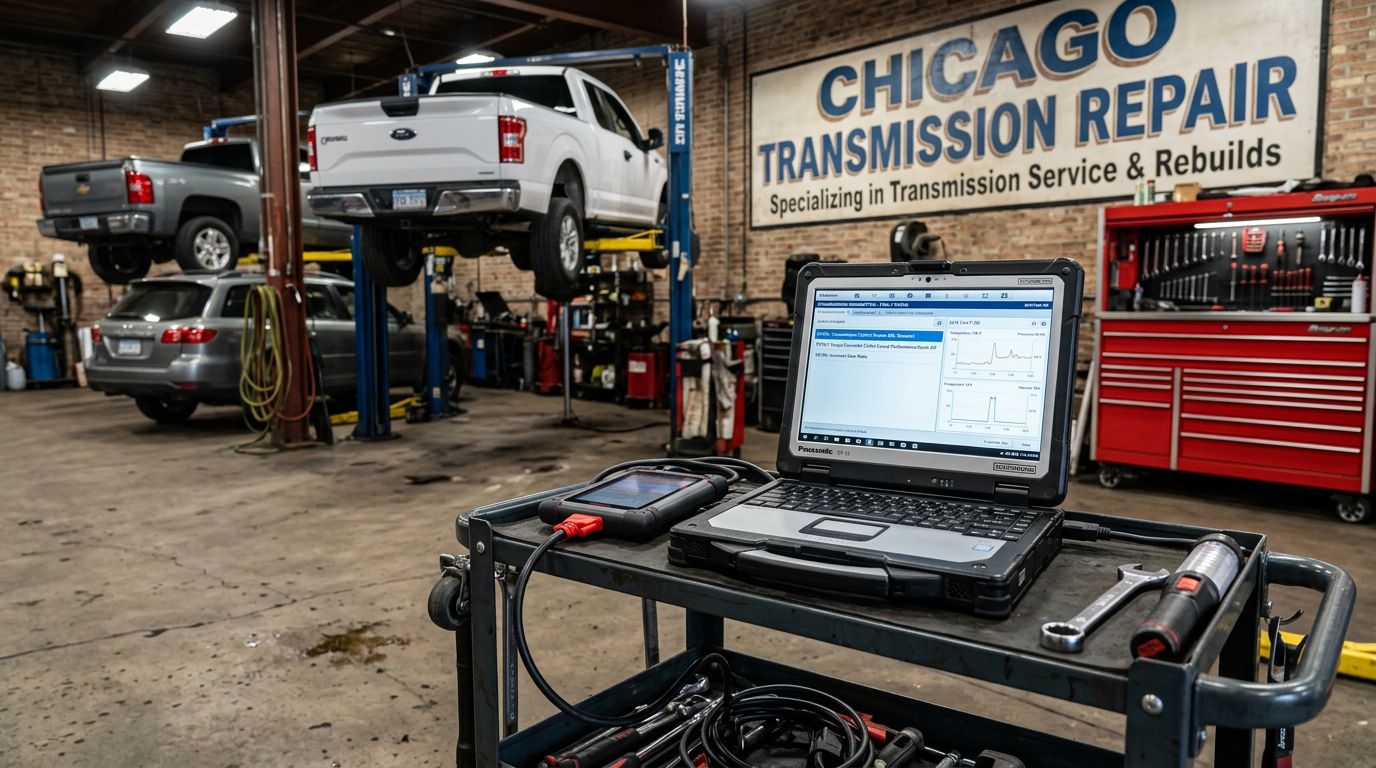
Before any repair recommendation, a good shop performs a complete diagnostic: computer scan (including manufacturer-specific codes, not just generic OBD-II), fluid inspection, road test, and in some cases a line pressure test. This process tells the technician - and you - exactly what's wrong.
Shops that skip the diagnostic and jump straight to a rebuild quote either have extensive pattern recognition they're not explaining, or they're defaulting to the most expensive option without confirmation. Either way, you want to see the diagnostic before you see the quote.
5. Longevity and Local Reputation
transmission shop that's been in the same location for 10+ years has survived long enough to build a customer base that returns and refers. Shops that do poor work get found out - the margins on auto repair are too thin to survive a reputation for bad outcomes.
Chicago Transmission has been at shop options near Southwest Chicago in Lincoln Park Serving Chicago drivers. A neighborhood transmission shop only keeps working when the repairs hold up and customers know where to find you.
6. towing options by request + Diagnostic appointment
These two offers tell you something about how a shop operates. Ask about towing options before booking means they understand that transmission failures often leave people stranded - and they're willing to absorb that cost to remove a barrier for customers who need help. Diagnostic appointment means they're confident enough in their conversion rate that they can give away the initial evaluation.
Shops that charge diagnostic fees before explaining what is included can make the first interaction feel transactional instead of useful. The best shops earn the repair business by first proving they know what's wrong.
The Short Version
The best transmission shop in Chicago has specialist focus, gives you a written quote before starting, backs the work with a real warranty, explains the diagnostic clearly, has been around long enough to prove it, and removes barriers to getting started. Measure every shop you evaluate against those six things - including us.