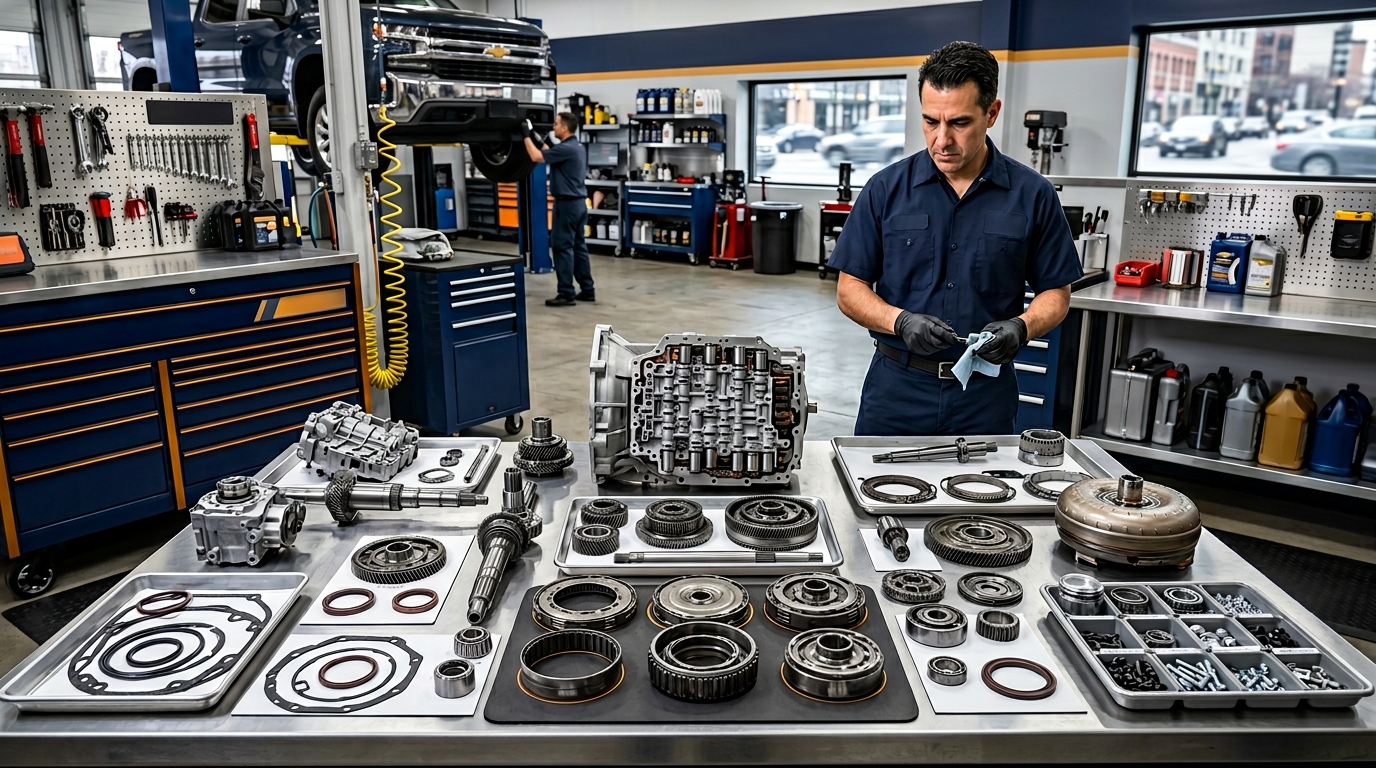
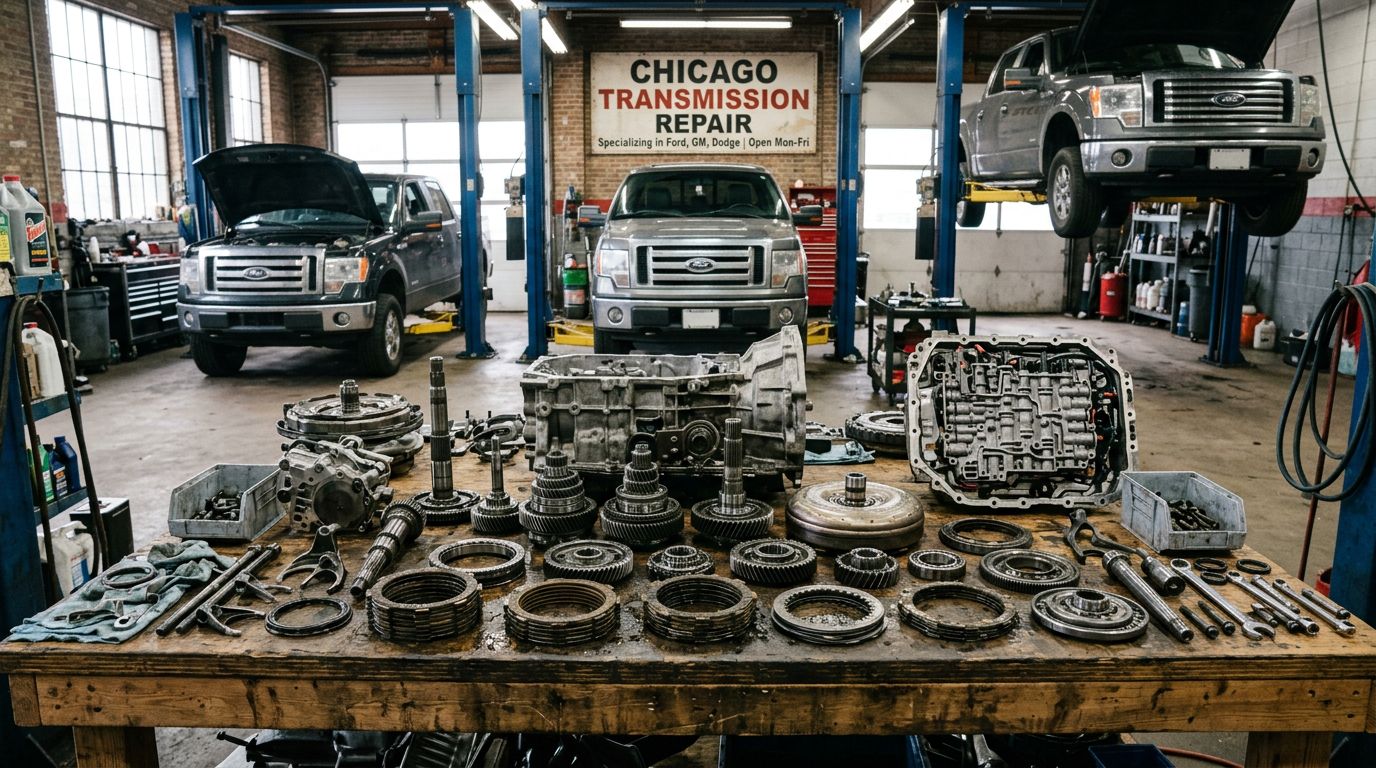
A transmission warning light, a shifting problem, a noise you can't explain - the fastest way to know exactly what's going on is a professional computer scan paired with a road test and line pressure check. We do this same-day at our Burbank service location at our partner shop, and the diagnostic is free. Here's what that process looks like and why it matters before spending a dollar on repairs.
Why You Need a Transmission-Specific Diagnostic
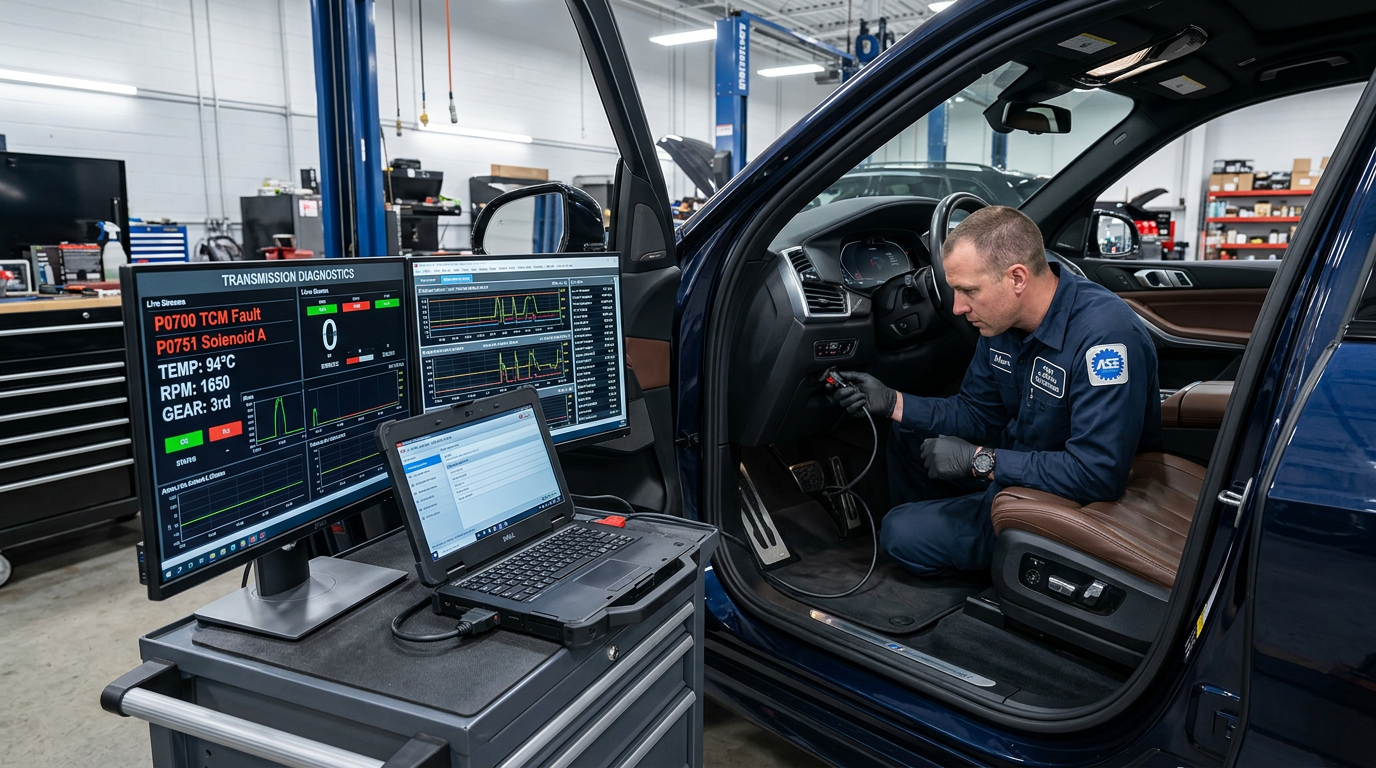
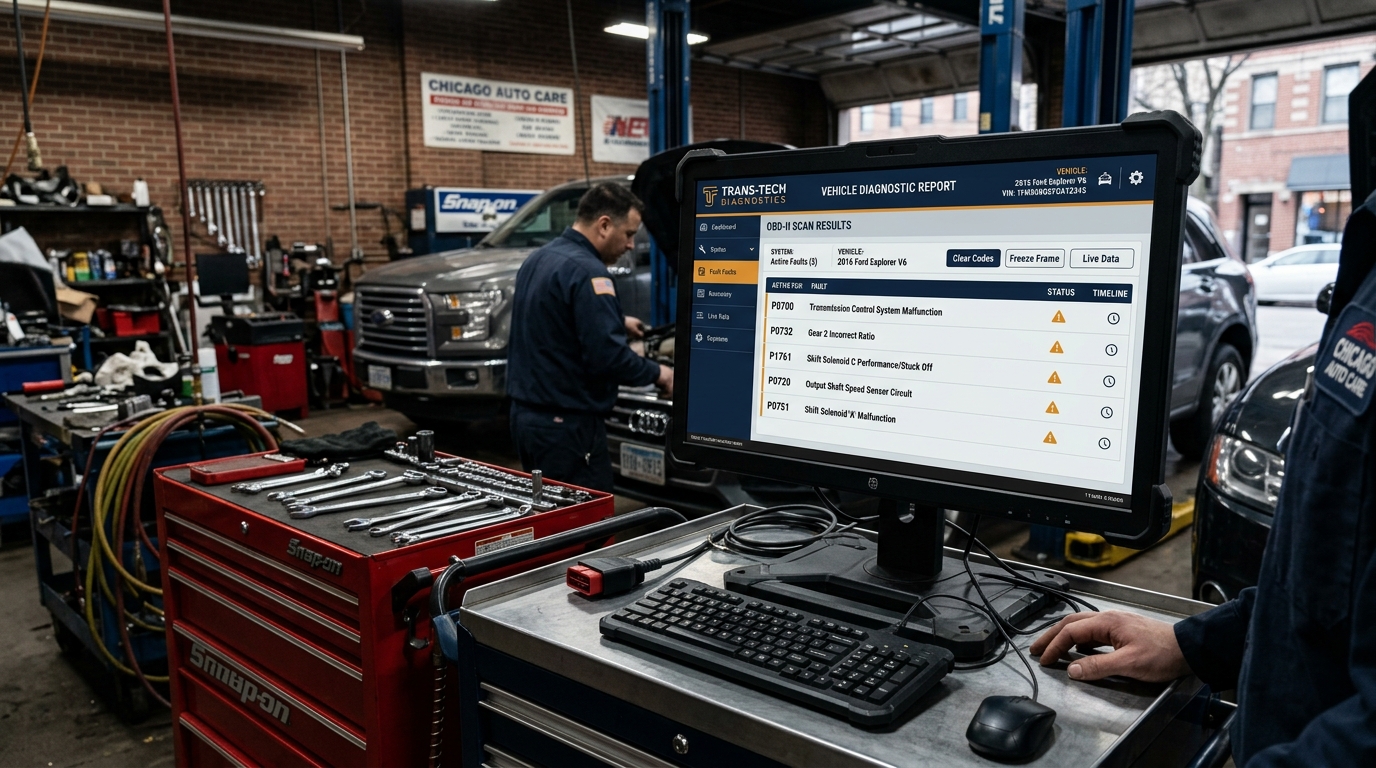
A generic OBD-II scan from an auto parts store reads generic powertrain codes. It might tell you "P0700 - Transmission Control System Malfunction." That's a starting point, not an answer. P0700 is a gateway code that means "a more specific transmission code exists" - without pulling the manufacturer-specific codes, you're guessing.
Our computer diagnostic pulls all codes, including manufacturer-specific codes that a basic scan tool misses. Those codes tell us whether you have a solenoid fault, a speed sensor issue, a pressure regulation problem, or something mechanical. That distinction determines whether you're looking at a fix or a rebuild.
What Our Diagnostic Includes
When you bring your car in for a Diagnostic appointment, here's what actually happens:
1. Full Computer Scan
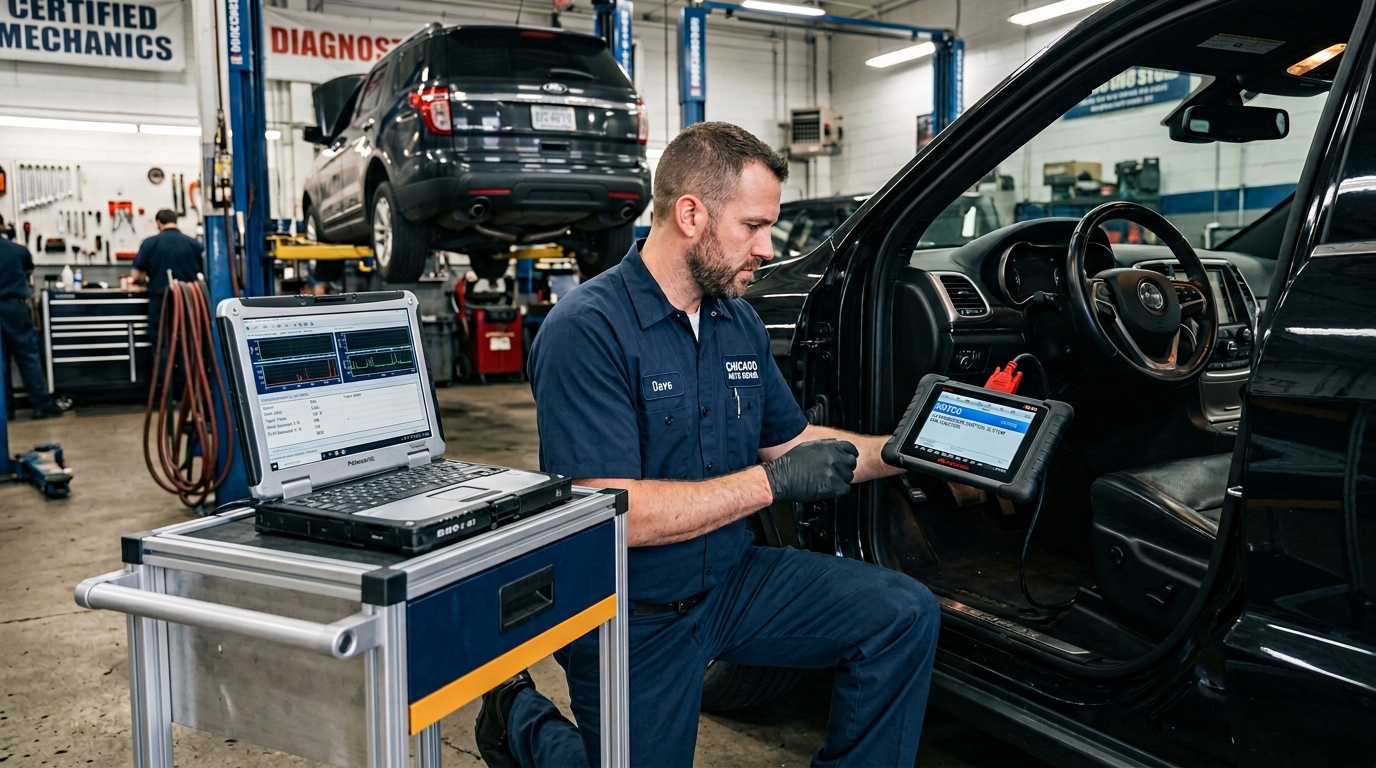
We pull all stored and pending codes - both generic and manufacturer-specific. We also look at live data: transmission input/output speeds, temperature, solenoid duty cycles, and torque converter clutch engagement. This tells us how the transmission is behaving, not just what faults it's logged.
2. Transmission Fluid Inspection
Fluid color, smell, and condition tell us a lot. Fresh ATF is red and translucent. Degraded fluid is dark brown or black and may smell burnt. Metal particles in the fluid indicate internal mechanical wear. This takes two minutes but narrows the diagnosis significantly.
3. Road Test
We drive the vehicle and replicate whatever symptom you're experiencing. Shudder at 45 mph, hard shift into third gear, delayed engagement from a stop - we confirm the complaint before making any diagnosis. You don't want a shop that "repairs" something they haven't verified is actually wrong.
4. Written Quote
After the diagnostic, we write up exactly what we found and what it costs to fix. Parts, labor, warranty - all itemized. Nothing starts until you say yes.
Common Transmission Codes We Find in Chicago
- P0700 + P0740: TCC solenoid circuit - torque converter clutch issue, often causes shudder at highway speed
- P0715: Input/turbine speed sensor - can cause erratic shifting or no shifting at all
- P0750 - P0770: Shift solenoid faults - each corresponds to a specific solenoid; often individual solenoid replacement
- P0730: Incorrect gear ratio - mechanical wear is suspected, full inspection needed
- P0868: Transmission fluid pressure low - could be a pump, a pressure sensor, or major internal wear
How Long Does a Diagnostic Take?
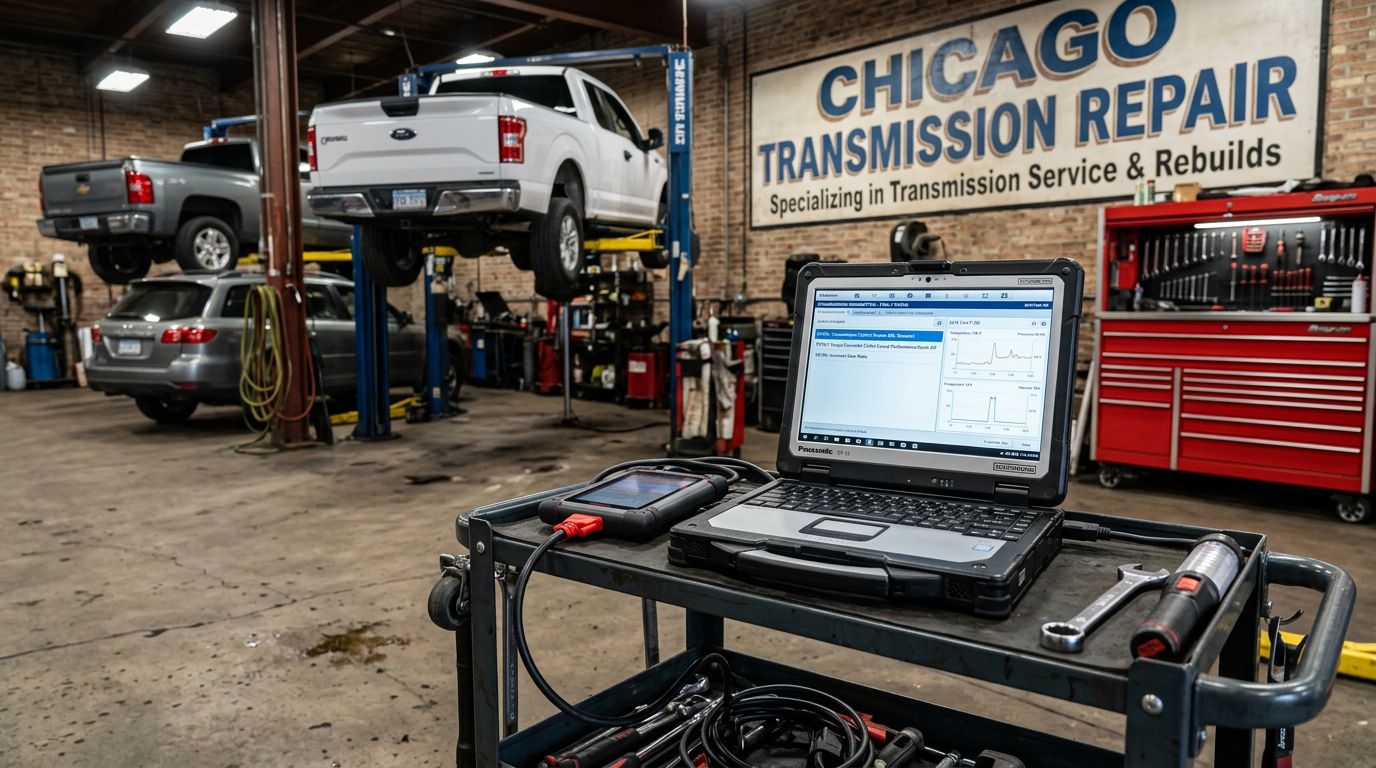
Most diagnostics are complete within 1 - 2 hours. If the problem is intermittent (doesn't happen every time), it may take a longer road test or leaving the vehicle for a day so we can observe cold-start behavior. We'll be upfront about that before you decide to leave the car.
When Diagnostic Is Included in the Repair
The Diagnostic appointment applies to vehicles we end up repairing. If you get the diagnostic and then decide not to repair with us - you're still not charged. The diagnostic is free, period. Our regular diagnostic fee is ; the free offer is our way of making the first step cost-free for anyone who needs it.
Walk-Ins vs. Appointments
Walk-ins are welcome for diagnostics any time we're open. Appointments are helpful for repairs (so we can have the right parts ready), but for just getting your car scanned and evaluated, you can drive up any morning Monday through Friday or Saturday morning and we'll get to you.
Located at shop options near Southwest Chicago in Lincoln Park - free street parking on Lincoln, easy access from I-90/94 via Fullerton Avenue exit.