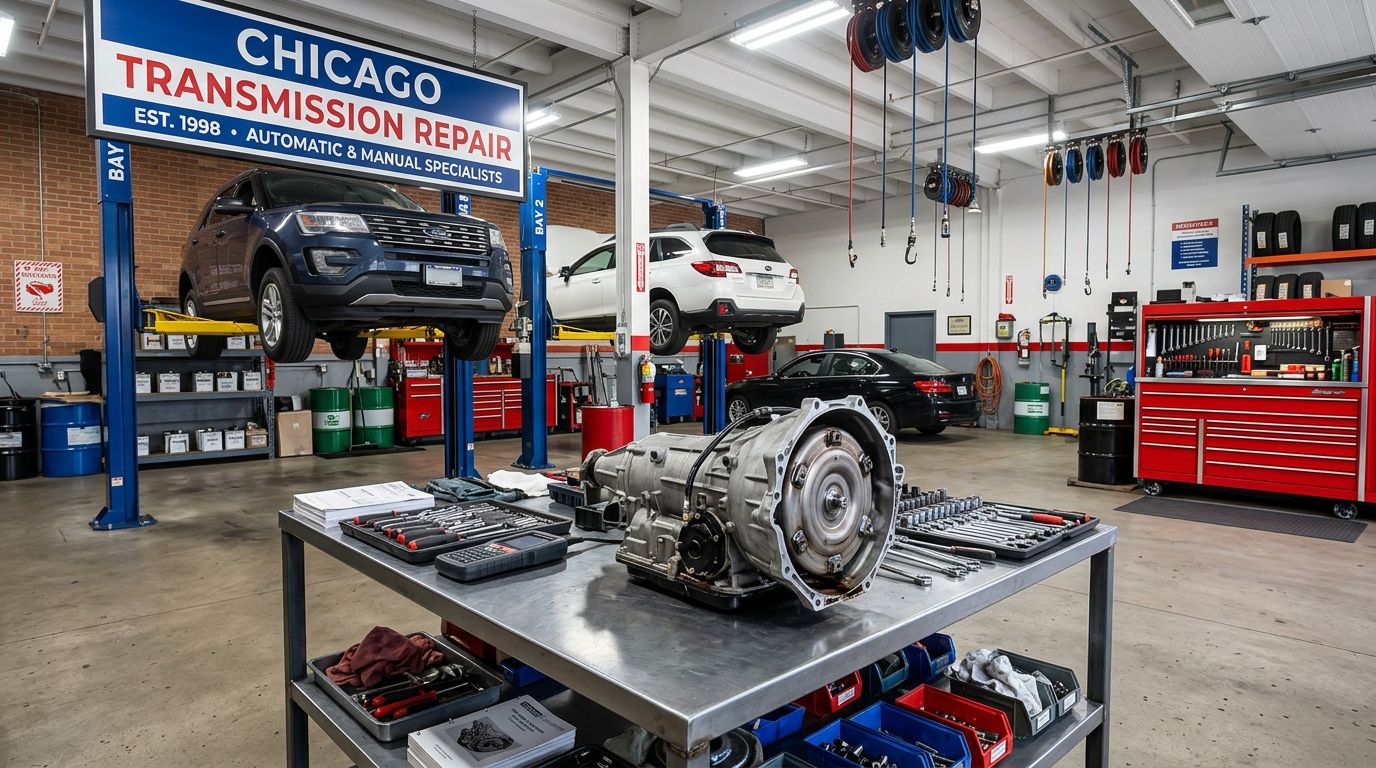
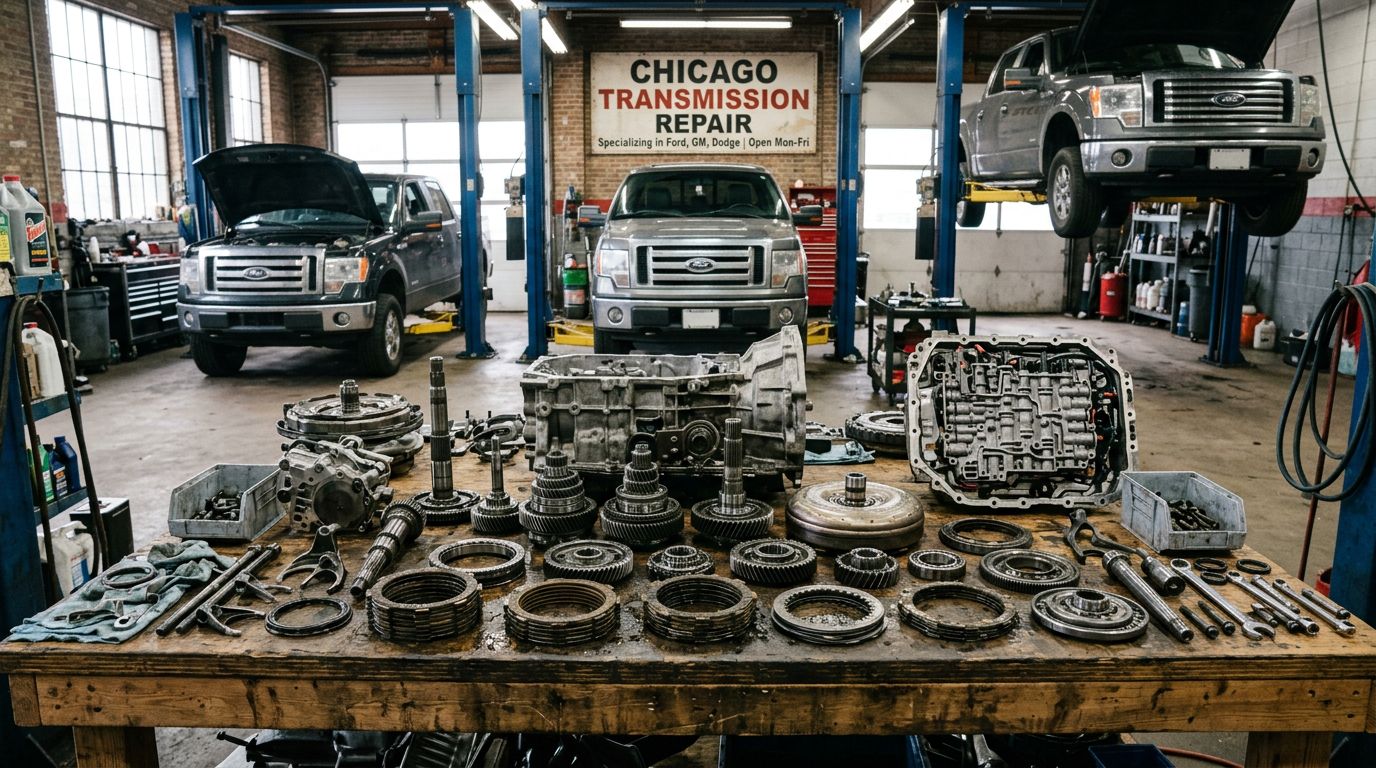
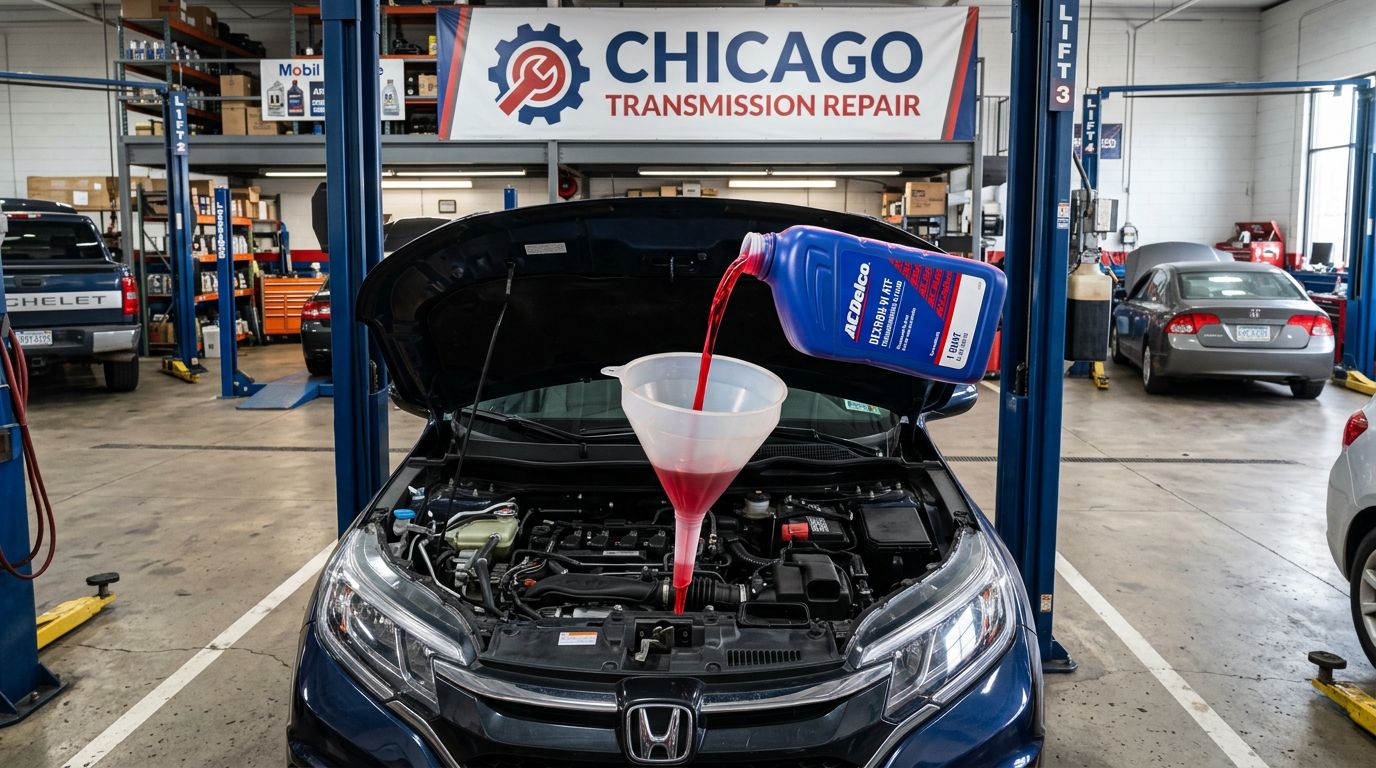
A burning smell from the transmission area is urgent. Unlike a check engine light that might indicate a minor sensor issue, a burning smell means something is actively overheating - slipping clutches, degraded fluid, or a component generating excessive friction. Here's what the smell means and what to do right now.
What Does Burning Transmission Fluid Smell Like?
Burnt ATF has a sharp, acrid chemical smell - similar to burning rubber or hot electrical components, but distinct from engine oil (which smells more like motor oil burning) or coolant (which has a sweet smell). If you notice it during or right after driving, take it seriously.
Note: sometimes the smell isn't the transmission at all - it's engine oil dripping onto hot exhaust pipes (smells similar) or a brake caliper sticking (localized to one wheel). A quick inspection determines the source.
Causes of Burning Transmission Smell
Overheated or Degraded ATF - Most Common
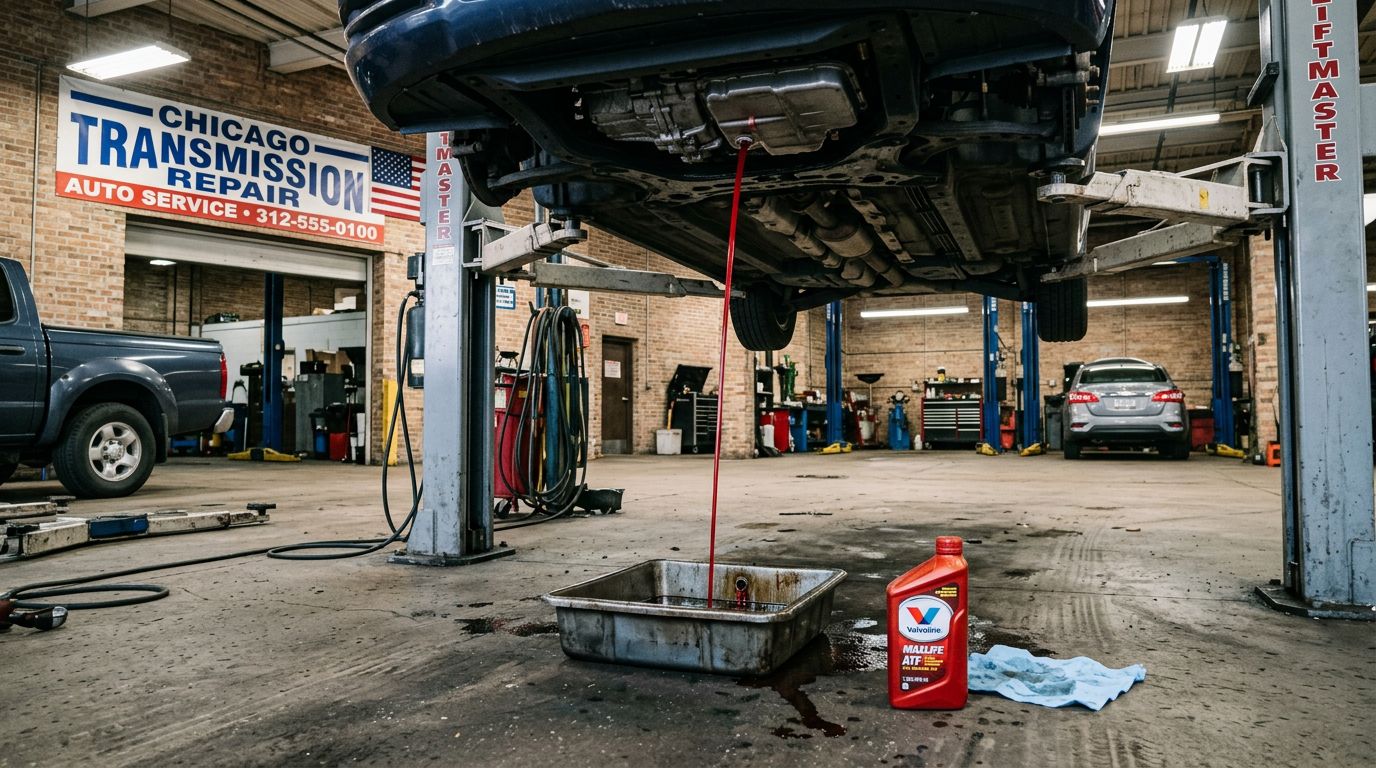
Transmission fluid that has oxidized from age or heat produces a burnt smell even without active mechanical failure. If your fluid hasn't been changed in 60,000+ miles, the smell you're noticing is the fluid itself breaking down from accumulated heat cycles. This is the best-case scenario - often fixed with a fluid exchange.
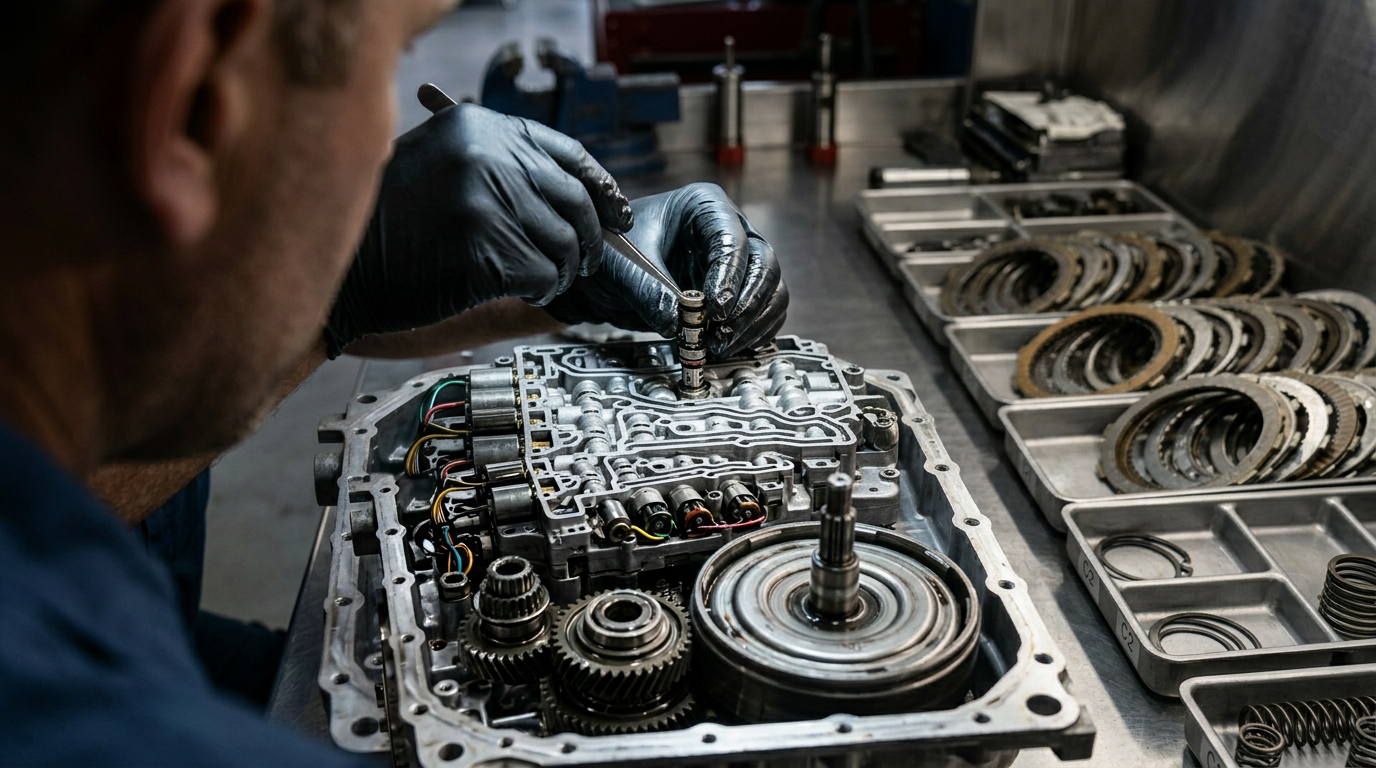
Slipping Clutch Packs
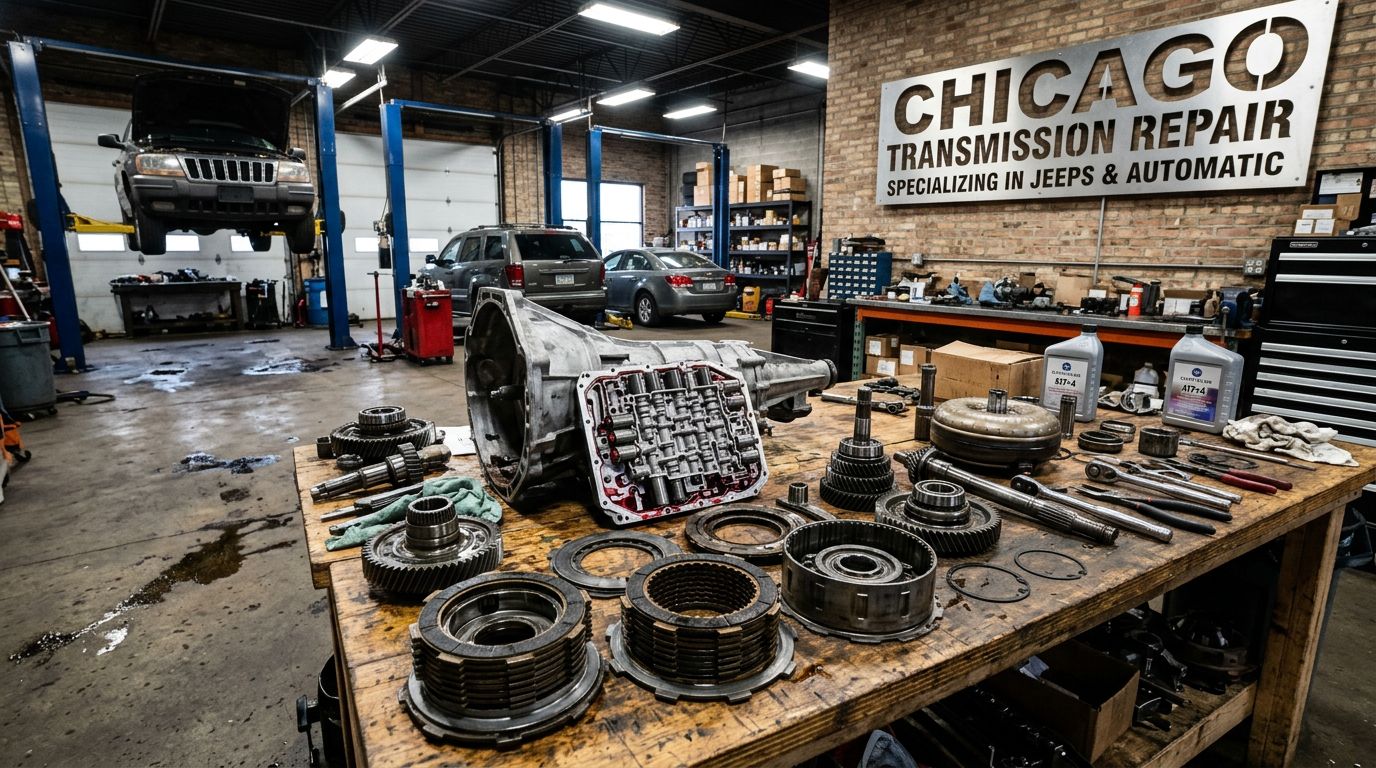
When clutch friction discs slip instead of engaging cleanly, they generate the same kind of heat a manual clutch does when you slip it - but inside the transmission where you can't see it. The heat burns the friction material and the ATF in that circuit. You'll often notice this alongside slipping between gears or delayed engagement. The burnt smell in this case is clutch material and overheated fluid together.
Low Fluid Level
Low fluid means less thermal mass and less cooling circulation. The fluid that remains gets very hot, oxidizes rapidly, and produces a burnt smell. Check the dipstick (if your vehicle has one). Fluid that's burnt black or smells bad on the dipstick confirms the issue.
Slipping Torque Converter Clutch
A TCC that won't lock up properly is converting engine power to heat continuously at highway speed. A sustained TCC slip can raise fluid temperature into the danger zone on a long highway drive. You may notice the smell after extended highway driving more than city driving.
Fluid Leaking onto Exhaust
A transmission fluid leak that drips onto hot exhaust pipes or catalytic converters produces a burning smell that appears to come from the transmission area. The ATF itself is burning on the outside of the system. Look for wet, oily staining on exhaust components.
Urgency Assessment
- Smell is constant during driving and strong: Pull over immediately. Something is actively overheating. Do not drive to the shop - call and arrange a tow.
- Smell appeared after hard driving (towing, highway run) and fades: Stop for the day, have it inspected soon - within a day or two.
- Faint smell only noticed occasionally: Book an inspection within the week. Check fluid level and condition in the meantime.
Chicago Repair Costs
- Transmission fluid exchange (degraded fluid): quoted after diagnosis, access check, and parts availability.
- Leak repair (if fluid is burning on exhaust): depending on source
- TCC solenoid or torque converter repair: quoted after diagnosis, access check, and parts availability.
- Clutch pack replacement (if slipping): Requires teardown - typically -
If you can't safely drive to us, call (312) 626-8759 - we can coordinate a tow. shop options near Southwest Chicago, Mon-Fri 8:00 AM-5:30 PM | Sat 8:00 AM-1:00 PM | Sun Closed.