When your car won't shift into Drive or Reverse - or takes a long, worrying moment to engage - it can be caused by anything from a brake light switch to a internal rebuild. Here's how to figure out which you're dealing with.
Start Here: Quick Checks Before Calling a Shop
1. Check the Brake-Shift Interlock
Modern vehicles won't allow you to shift out of Park unless the brake pedal is fully depressed. The system uses a solenoid-controlled interlock that communicates with the brake light switch. If your brake lights are out, the interlock may think you're not pressing the brake - and lock you in Park.
Test: Turn on hazard lights and see if the rear brake lights work when you press the pedal. If not, a brake light switch may be the entire problem.
2. Check the Shift Cable
The shift cable connects the gear selector to the transmission. If the cable is stretched, broken, or has come loose from its bracket (common in older vehicles), the selector may show "Drive" but the transmission is still in Park or Neutral.
Signs: The gear indicator doesn't match where you feel the shifter is. Shift cable replacement.
3. Check the Transmission Fluid Level
Extremely low fluid can prevent the transmission from building enough hydraulic pressure to engage any gear. If you see a red fluid puddle under the car, you have a significant leak. Don't drive it - have it towed.
More Serious Causes
Failed Transmission Range Sensor (TR Sensor)
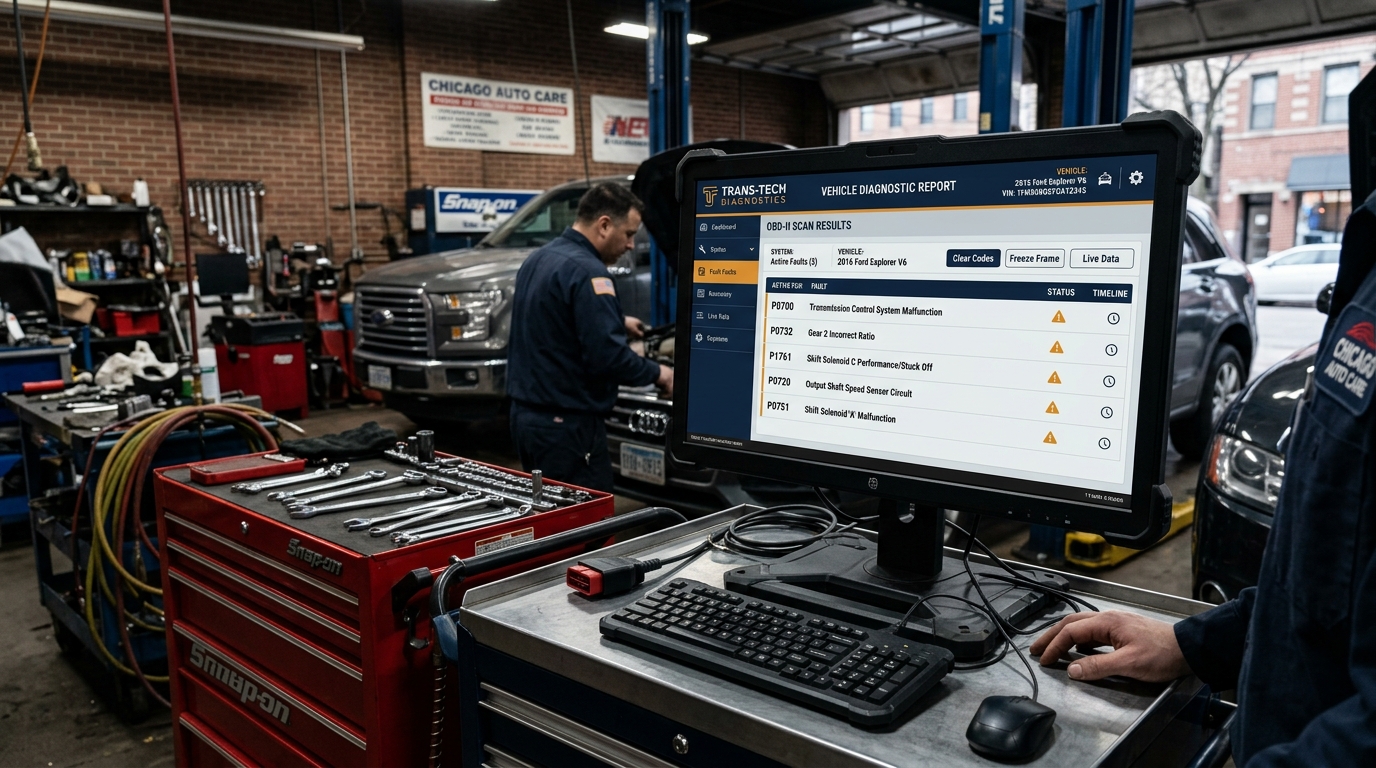
The TR sensor tells the vehicle's computer which gear the transmission is in. A failed sensor causes the transmission to default to a "safe mode" that may prevent certain gear ranges. You'll often see a check engine light with a code like P0706 or P0708. TR sensor replacement may solve the issue if testing confirms the sensor or circuit is the fault.
Faulty Valve Body
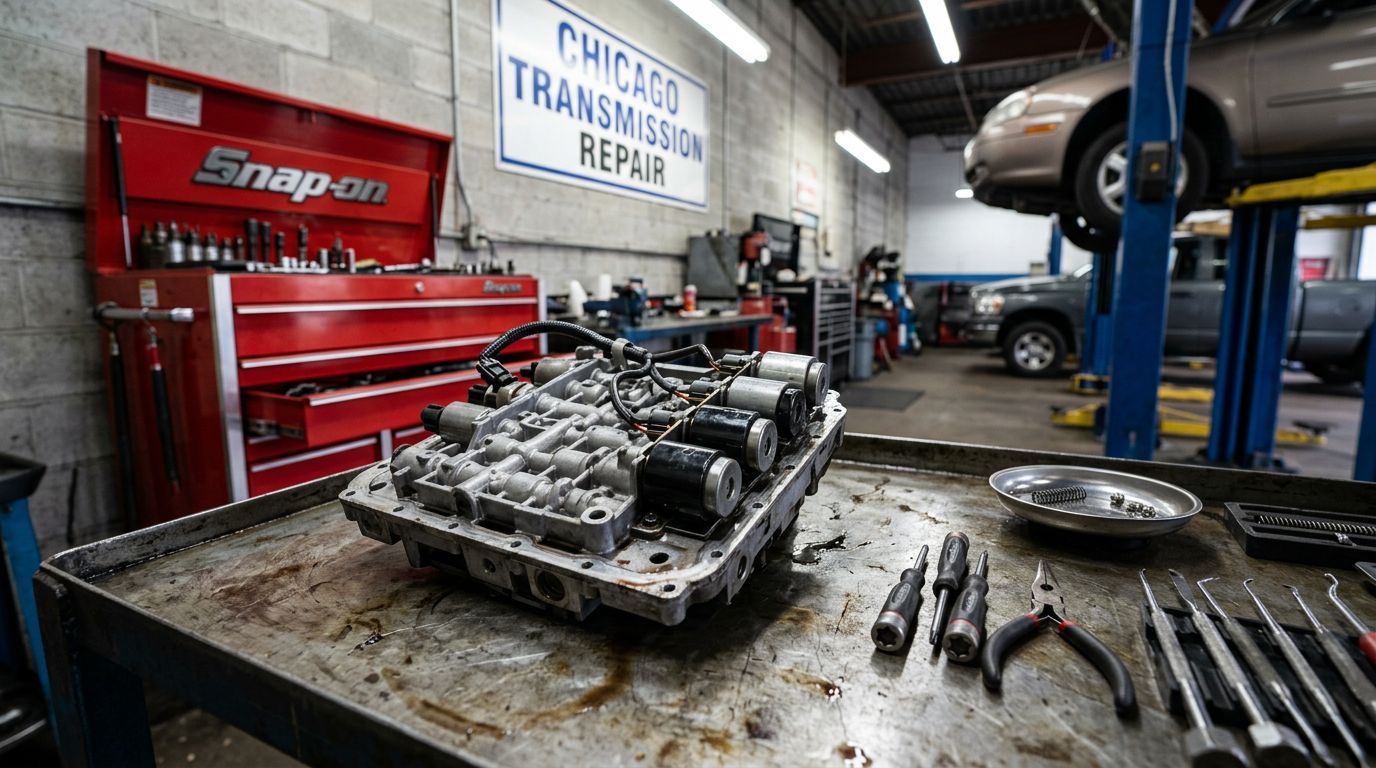
If the car starts fine, seems to engage a gear, but immediately slips into Neutral - especially in cold weather - the valve body is the likely cause. A worn or stuck valve prevents the hydraulic pressure needed to hold the clutch pack in gear. Valve body repair or replacement.
Failed Torque Converter
A seized or failed torque converter can prevent the transmission from engaging Drive or Reverse. This often happens suddenly, with no prior warning. Torque converter replacement.
Severe Internal Damage
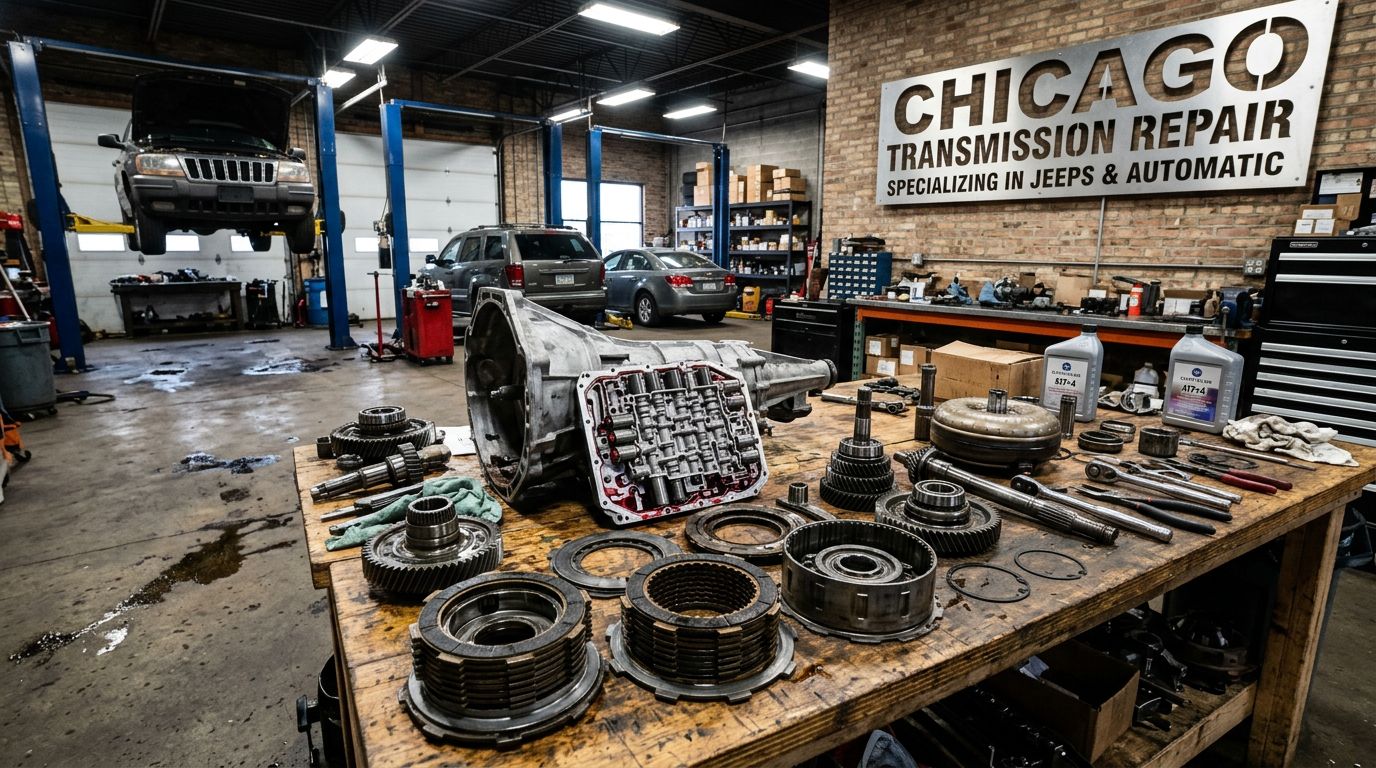
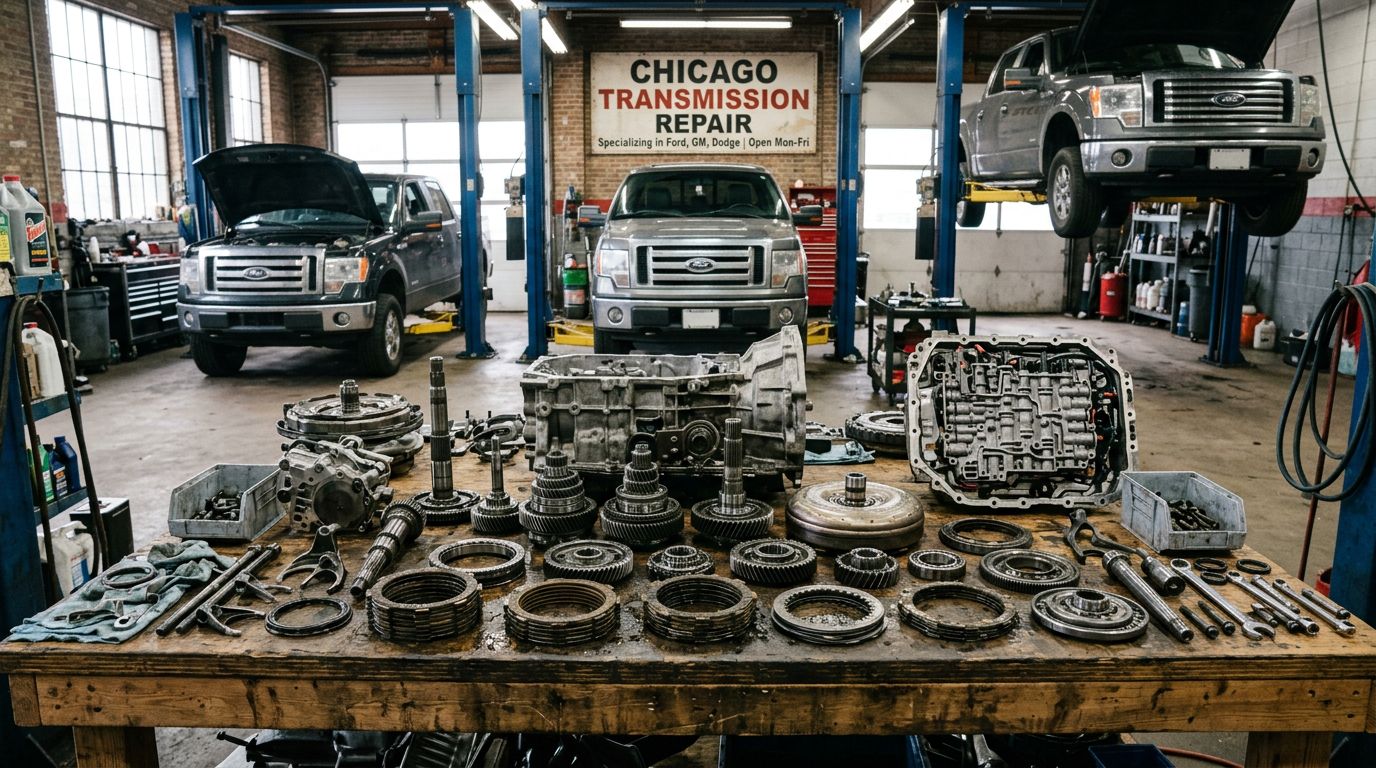
When clutch packs, bands, or internal gears fail catastrophically, the transmission may engage one direction but not the other (Drive but no Reverse, or vice versa), or refuse to engage any gear. At this stage, a full rebuild is typically required.
Won't Go Into Reverse Specifically
No Reverse but Drive works normally is a specific failure pattern. It most often indicates:
- Failed reverse clutch pack (internal damage)
- Low line pressure in the reverse circuit
- Failed reverse solenoid
This symptom almost always requires internal inspection to diagnose accurately. Don't let a shop quote a full rebuild without a proper teardown and assessment.
Stuck in Park - Won't Shift at All
If the shifter physically won't move out of Park:
- Try the brake-shift interlock override slot (usually near the shifter, covered by a small cap) - insert a key or thin tool to release it manually
- If the manual override works, the problem is the brake-shift interlock solenoid
- If the manual override doesn't work, the shifter mechanism or cable may be physically jammed
What Diagnosis Costs
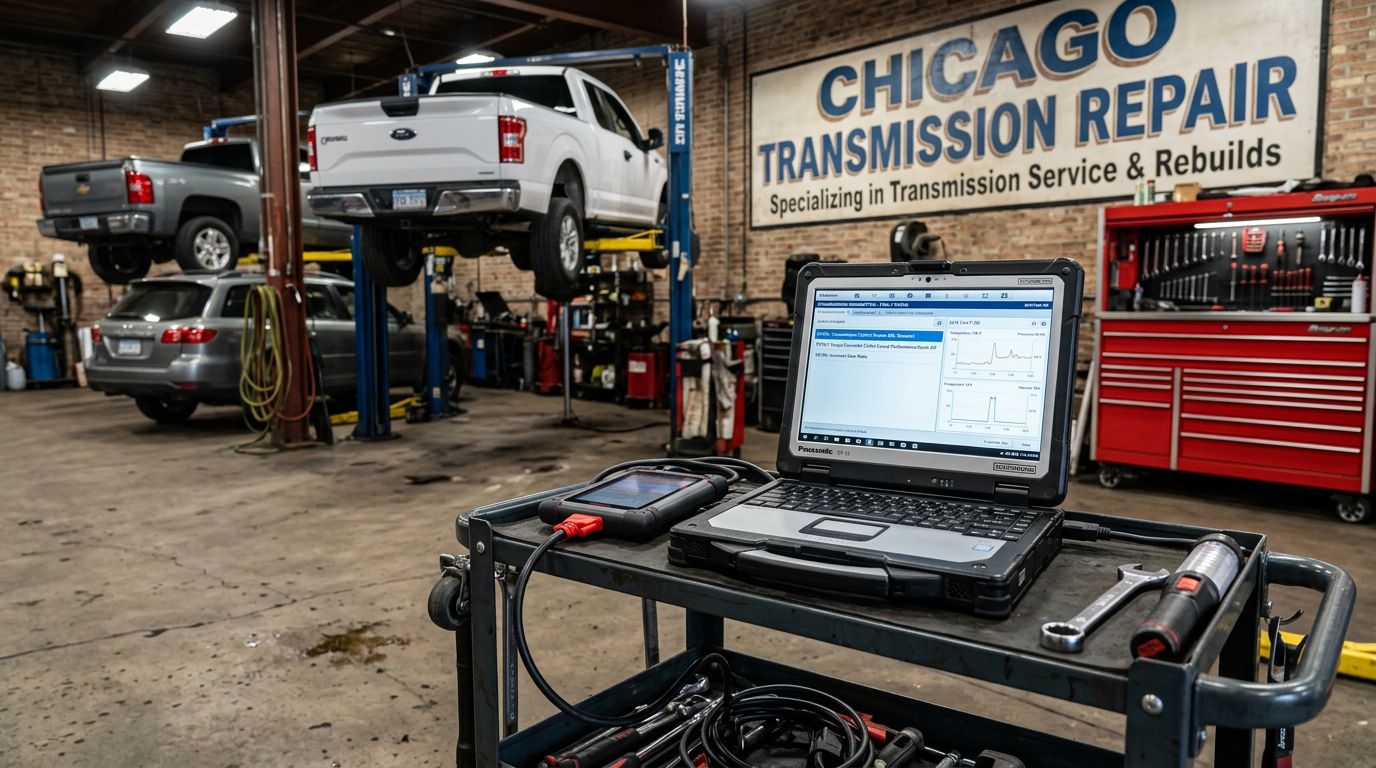
At most Chicago shops, a transmission diagnostic is a separate charge. We do it for free. We connect a scanner, read the codes, road test the vehicle when safe, and tell you exactly why it will not shift and what the repair will cost before you authorize anything.
Call (312) 626-8759 or stop by shop options near Southwest Chicago in Lincoln Park. Mon-Fri 8:00 AM-5:30 PM | Sat 8:00 AM-1:00 PM | Sun Closed. If it won't move, we can arrange a tow.