When you're buying a car or diagnosing a problem, the CVT vs automatic distinction matters. They work completely differently, fail differently, and cost different amounts to repair. Here's a practical comparison from a transmission shop's perspective.
How They Work: The Core Difference
Traditional Automatic Transmission
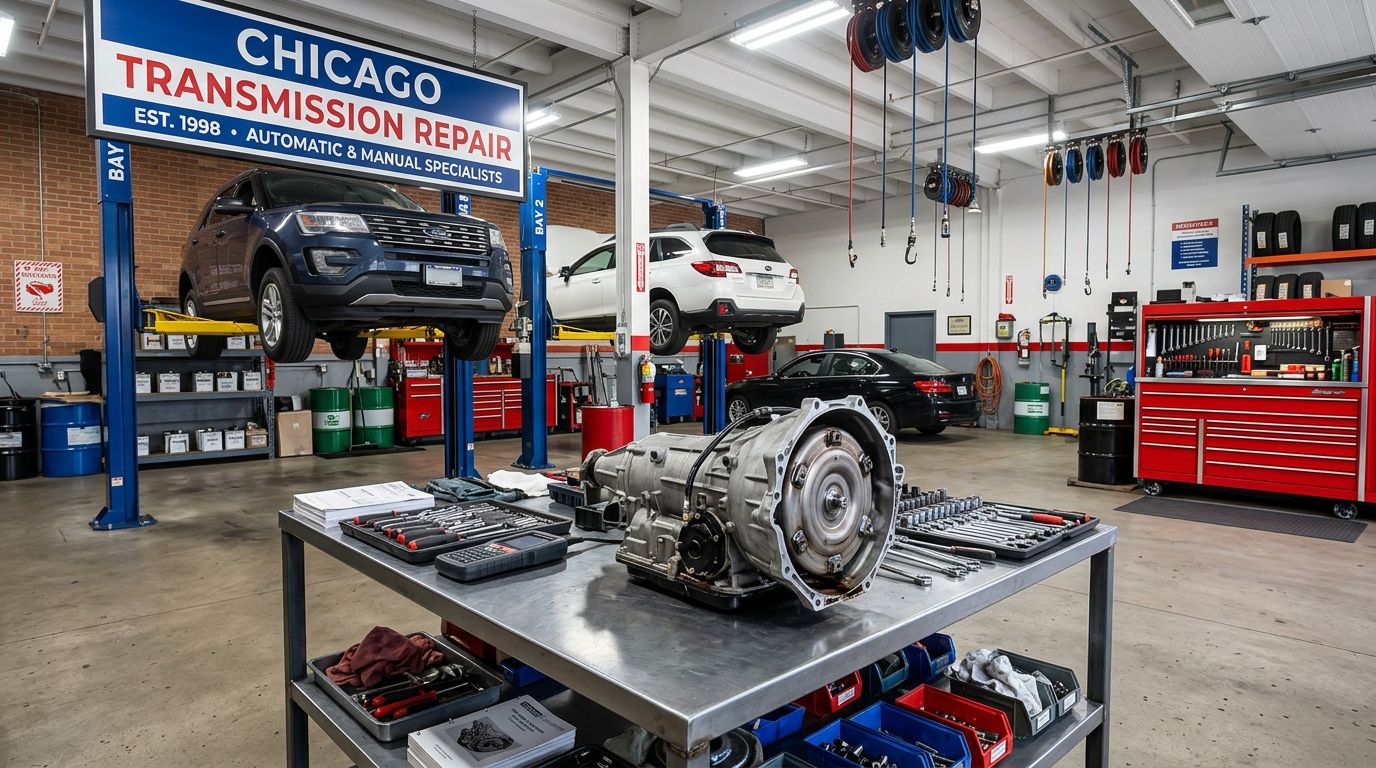
A conventional automatic (4-speed, 6-speed, 8-speed, 10-speed) shifts between a fixed number of gear ratios using hydraulically engaged clutch packs. Think of it like a bicycle with a specific number of gears - 1st, 2nd, 3rd, etc. Each upshift engages one clutch pack and releases another. The gear ratios are fixed by the physical gear sizes inside.
CVT (Continuously Variable Transmission)
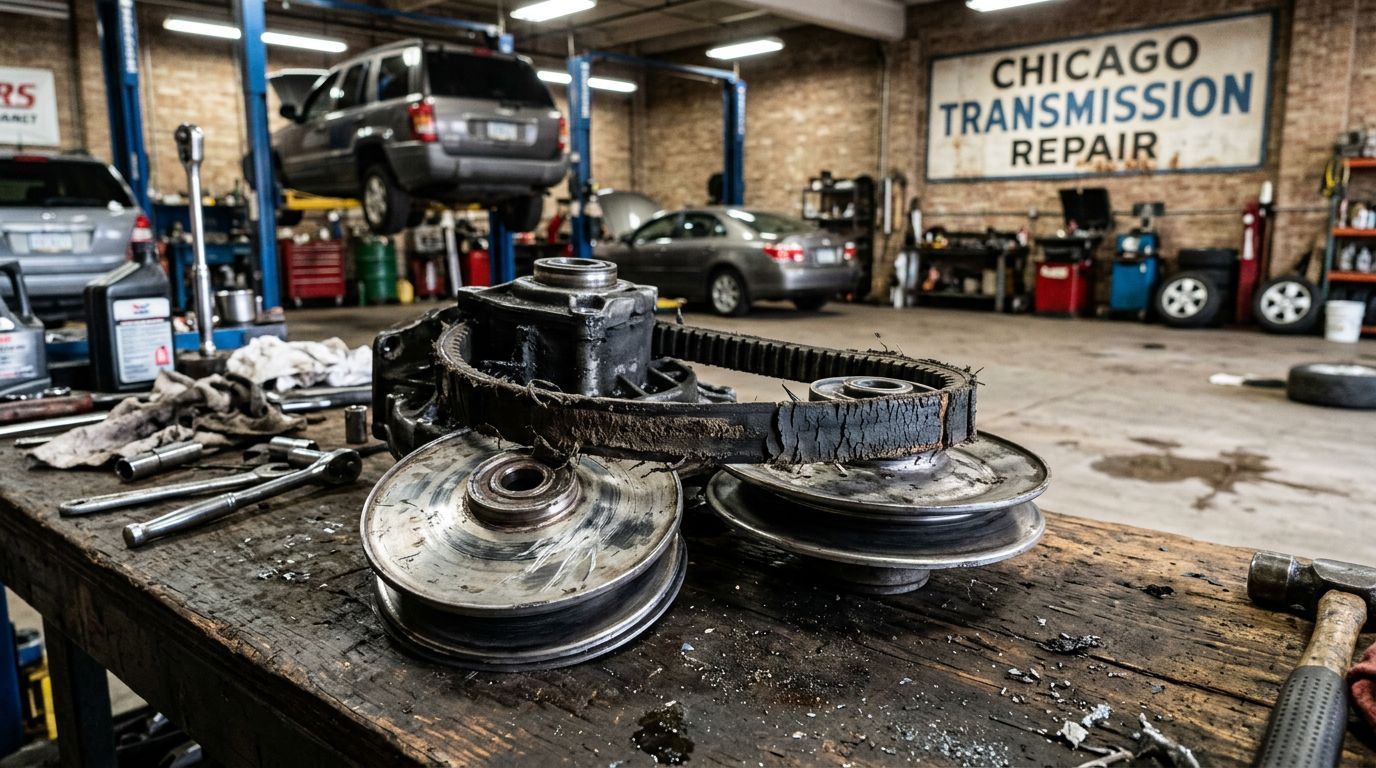
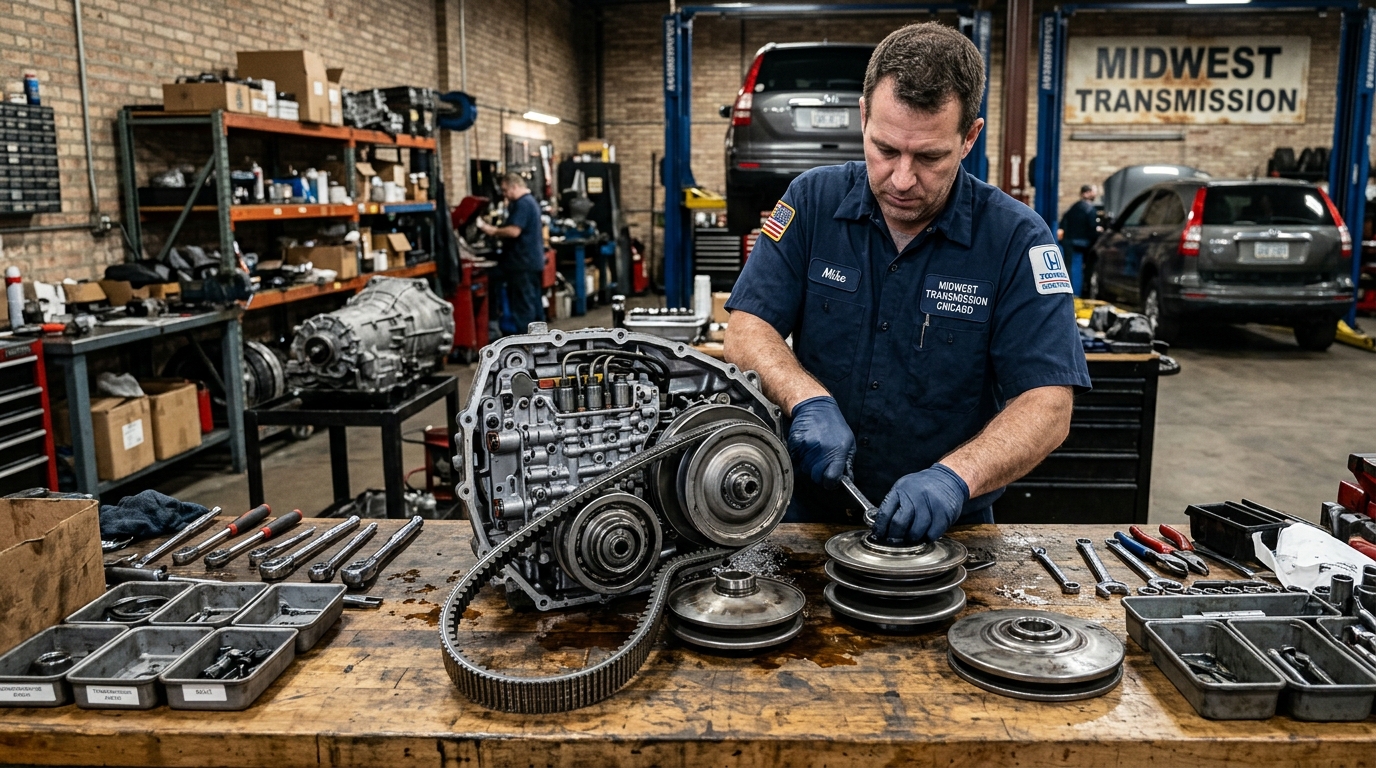
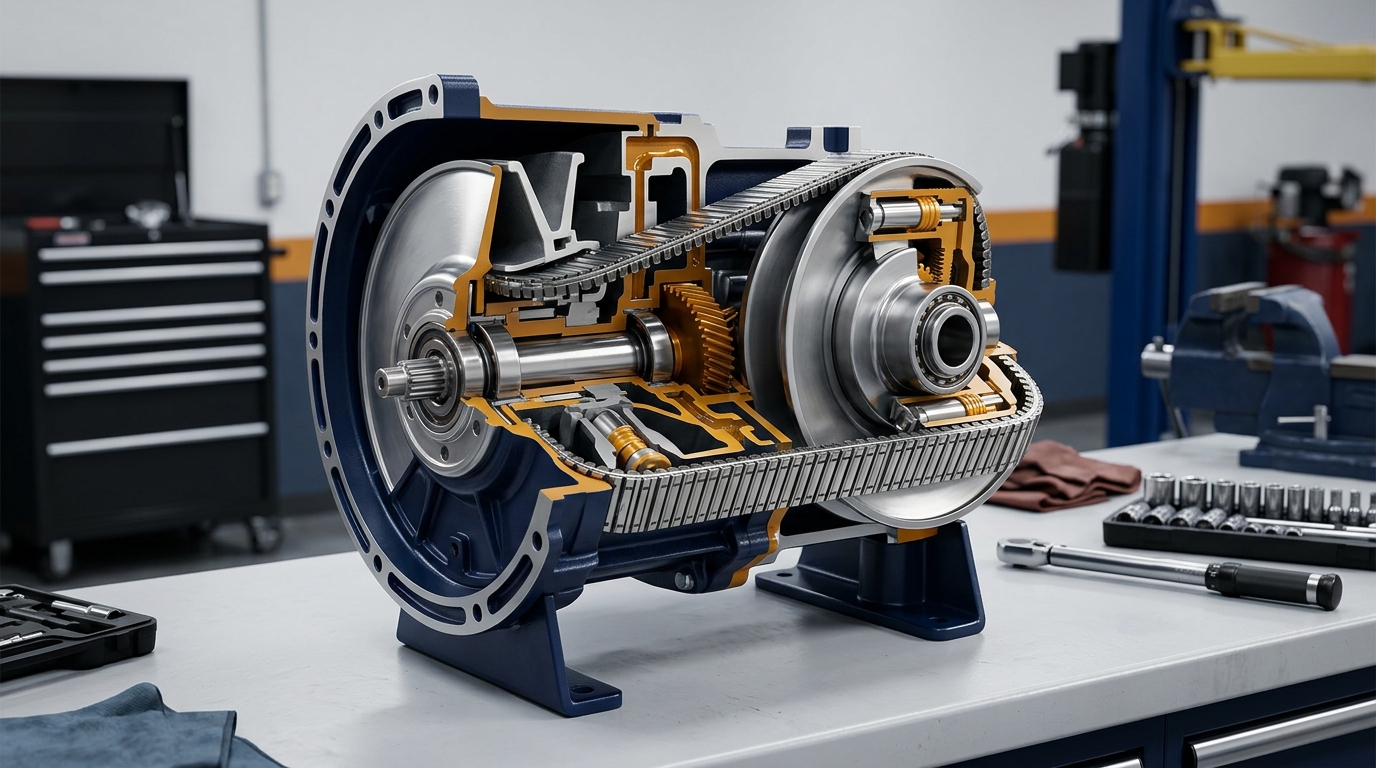
A CVT has no fixed gears at all. Instead, it uses two variable-diameter pulleys connected by a steel belt or push-chain. By changing the ratio of the two pulley diameters, the CVT can produce any gear ratio within its range - continuously, without distinct steps. This allows the engine to stay at its optimal RPM for fuel efficiency regardless of vehicle speed.
The Pros and Cons
CVT Advantages
- Better fuel economy: The CVT keeps the engine in its efficiency sweet spot - typically 2 - 5% better MPG than an equivalent automatic on EPA tests
- Smooth acceleration: No shift shock - acceleration feels linear and seamless (though some drivers find this "rubberbanding" feel strange)
- Simpler hydraulic design: Fewer solenoids and clutch packs than a multi-speed automatic
CVT Disadvantages
- Shorter lifespan: CVT belts and pulley surfaces wear over time, and the failure mode (belt slip or belt failure) is more dramatic than a conventional automatic clutch pack wearing out
- Higher repair cost per event: A CVT failure often means complete replacement rather than targeted repair, while many conventional automatics still allow targeted valve-body, solenoid, converter, or rebuild decisions after diagnosis
- More fluid-sensitive: CVT fluid must be changed more frequently - every 25,000 - 30,000 miles vs 40,000 - 50,000 for most automatics
- Driving feel: Many drivers don't like the CVT's behavior under hard acceleration - the engine holds at high RPM while the vehicle slowly speeds up ("rubber band" effect)
Automatic Transmission Advantages
- More predictable repair costs: Failed solenoid? Quoted after diagnosis. Failed clutch pack? Part of a rebuild. Costs are well-established.
- More repair options: Targeted repairs (solenoid, valve body, torque converter) avoid full replacement in many cases
- Better towing performance: Automatics are generally more tolerant of sustained high-load operation than CVTs
- Longer lifespan with maintenance: A well-maintained automatic commonly reaches 200,000+ miles
Which Fails More Often?
From our shop's experience: CVTs fail more dramatically when they fail, and are less forgiving of neglected maintenance. A conventional automatic with a neglected fluid change will slip and show symptoms long before catastrophic failure - giving you time to address it. A CVT belt that's slipping is often close to complete failure.
The worst CVTs from a reliability standpoint: Nissan Jatco CVTs (Rogue, Altima, Sentra), Subaru lineartronic on older models, and some Chrysler applications. Toyota's e-CVT (hybrid vehicles) is extremely reliable because it operates at lower power loading than a full-power CVT.
Repair Cost Comparison
| Repair | Automatic | CVT |
|---|---|---|
| Fluid service | quoted after diagnosis | quoted after diagnosis |
| Solenoid replacement | quoted after diagnosis | - (stepper motor) |
| Major internal repair | quoted after diagnosis | quoted after diagnosis |
| Full rebuild/replacement | quoted after diagnosis | quoted after diagnosis |
Diagnostic appointment at Chicago Transmission - we work on both types for all makes. shop options near Southwest Chicago. Call (312) 626-8759, Mon-Fri 8:00 AM-5:30 PM | Sat 8:00 AM-1:00 PM | Sun Closed.