A transmission that drives normally in all forward gears but won't go in reverse is a specific failure pattern - not a random breakdown. Understanding what causes reverse-only failure helps you know whether you're looking at a fix or a rebuild.
How Reverse Works Differently Than Forward Gears
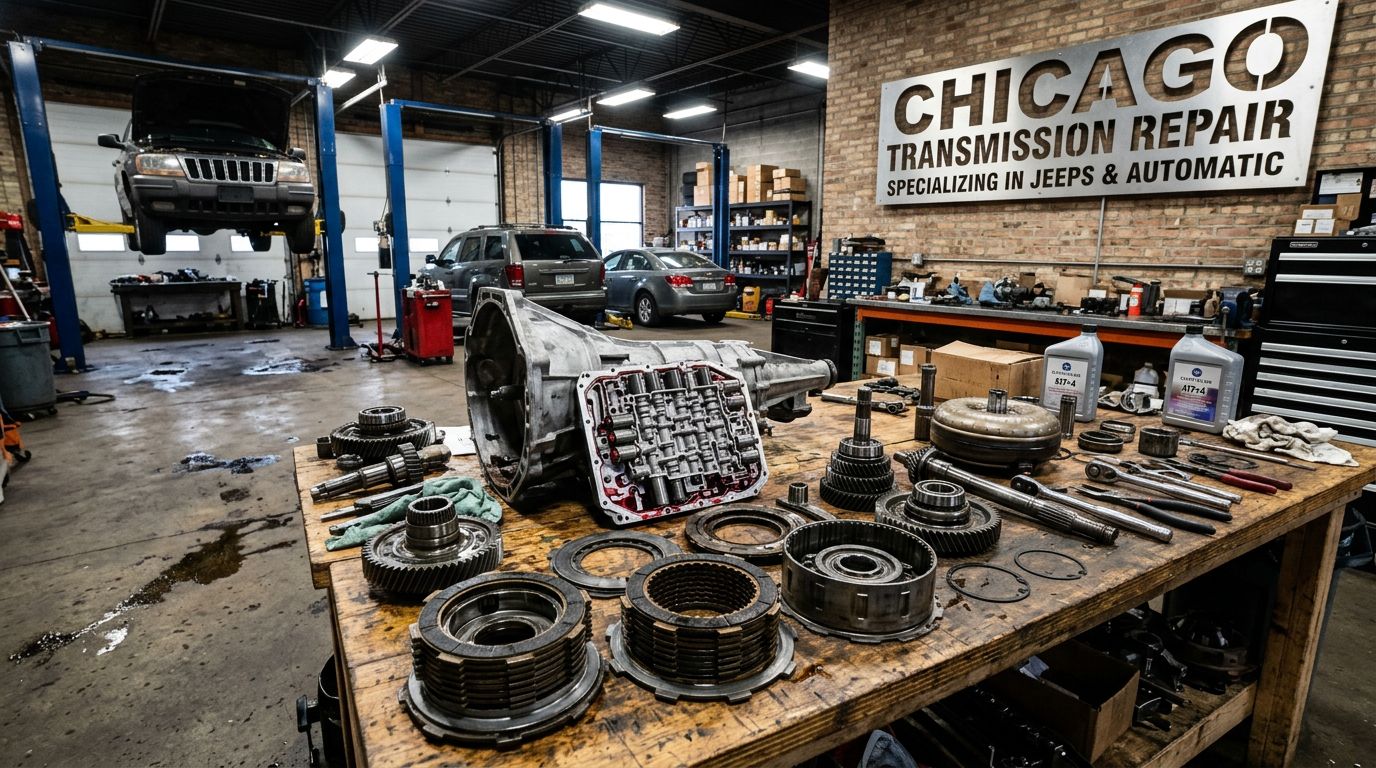
In an automatic transmission, reverse is controlled by a dedicated reverse clutch pack (or reverse band, depending on the design). This is a completely separate set of friction discs from those used in forward gears. When you shift into Reverse, the TCM activates a specific solenoid that routes hydraulic pressure to engage the reverse clutch pack.
Because reverse uses its own dedicated components, it's possible for reverse to fail while all forward gears work perfectly - and vice versa. The diagnosis focuses specifically on the reverse hydraulic circuit.
Common Causes of No Reverse
1. Low Transmission Fluid
Low fluid is always the first thing to check. Reverse requires a specific minimum hydraulic pressure to engage the clutch pack - and the pressure required for reverse is often higher than for first gear. A quart or two low on fluid may be enough to prevent reverse engagement while forward gears still work.
Check the dipstick immediately. If fluid is low, find the leak - adding fluid is a temporary measure, not a repair.
2. Worn or Burnt Reverse Clutch Pack
The reverse clutch friction discs wear over time, especially on high-mileage vehicles or those with a history of "rocking" in snow - repeatedly shifting between Drive and Reverse with the vehicle partially moving. Each time you do this, you're slipping the reverse clutch under load, generating heat and accelerating wear.
Chicago winters are brutal on reverse clutches for exactly this reason. If the friction discs wear out, the clutch pack can't generate enough grip to hold the gear under load. You may hear a brief thunk or engagement attempt before the transmission slips back to neutral.
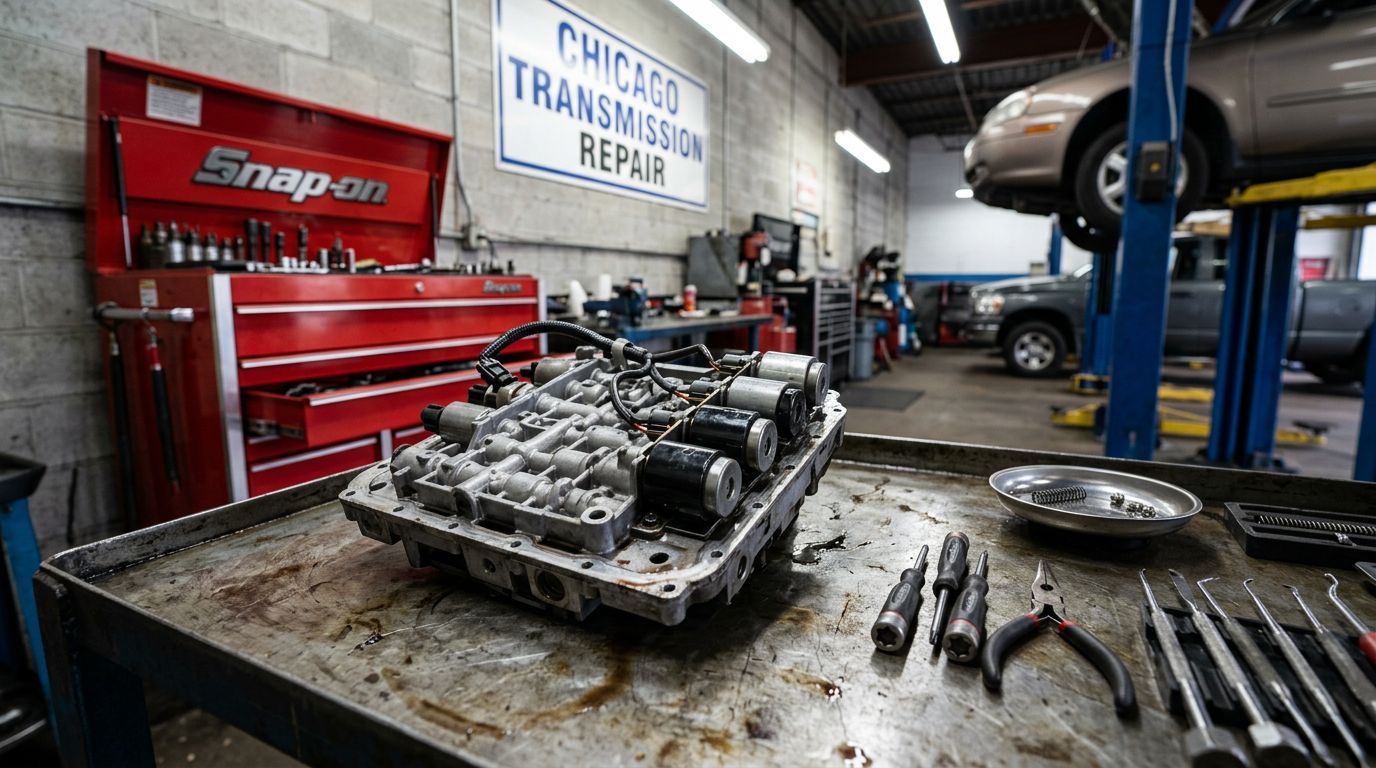
3. Failed Reverse Solenoid or Valve
The solenoid that commands reverse fluid flow can fail electrically or mechanically. A stuck or failed valve in the valve body prevents hydraulic pressure from reaching the reverse clutch pack even when the solenoid is commanded.
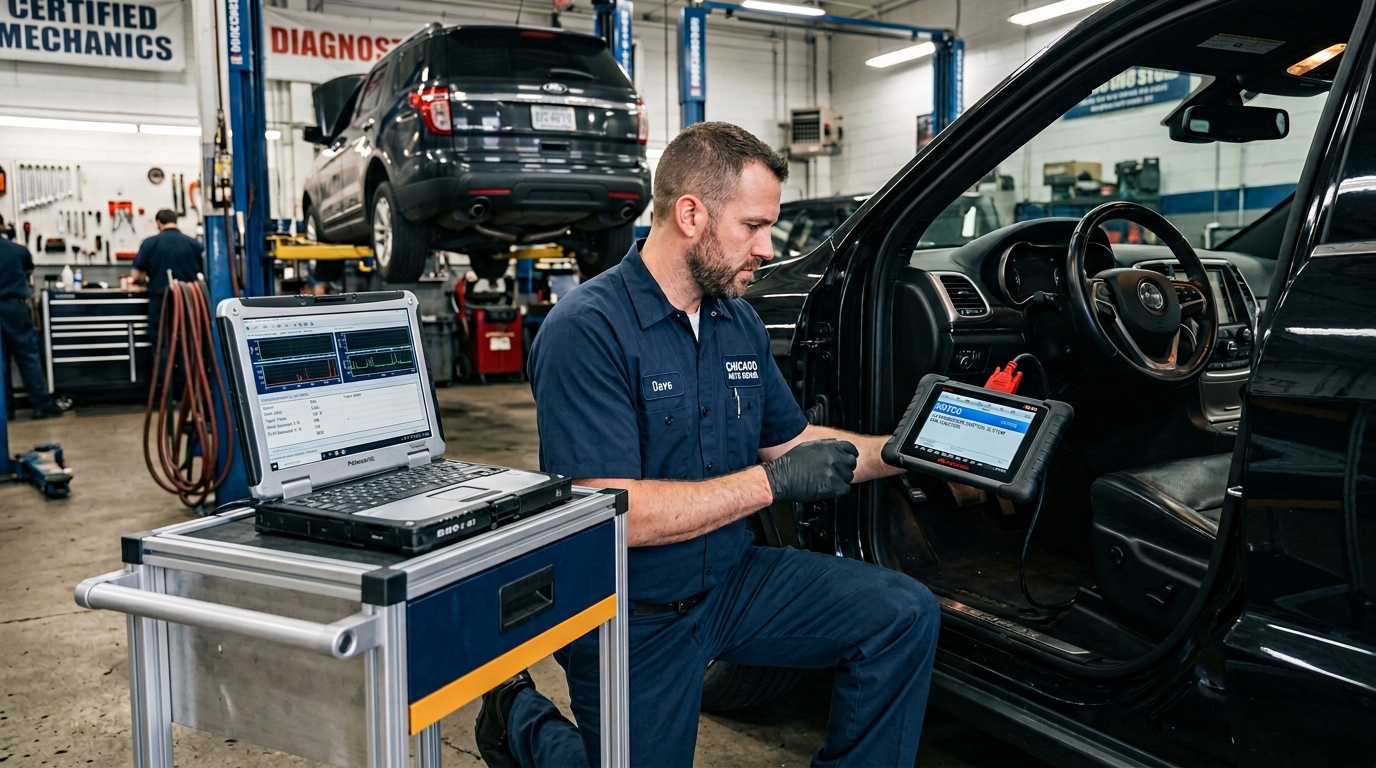
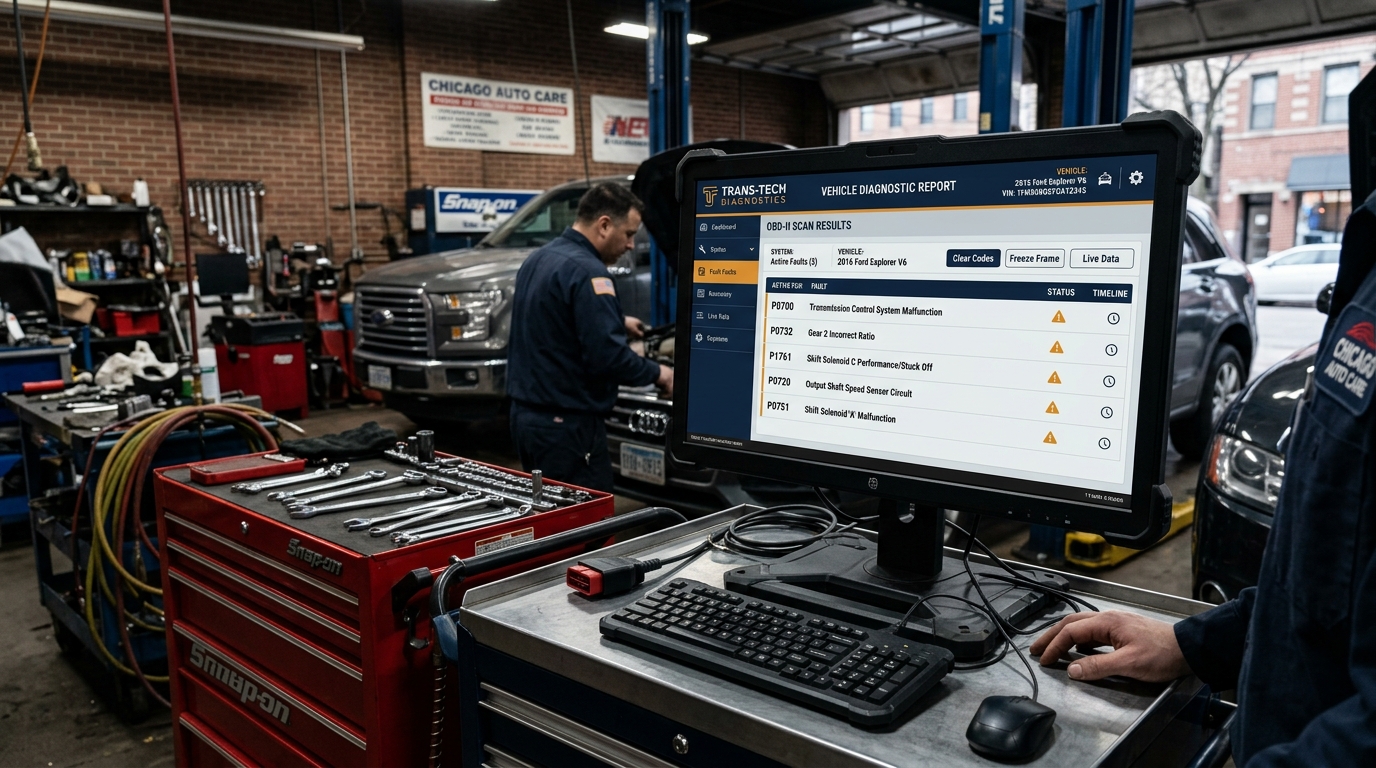
Solenoid failure is more likely to generate a trouble code (P0700, or a specific valve body code). A mechanical valve body issue may fail silently.
4. Broken Reverse Band (Some Transmissions)
Older transmission designs (GM Turbo-Hydramatic, some Chrysler units) use a reverse band rather than a clutch pack. Bands can break or stretch, causing complete loss of reverse engagement. A broken band often produces a distinctive clunking noise as it moves freely inside the transmission case.
5. Torque Converter Issues
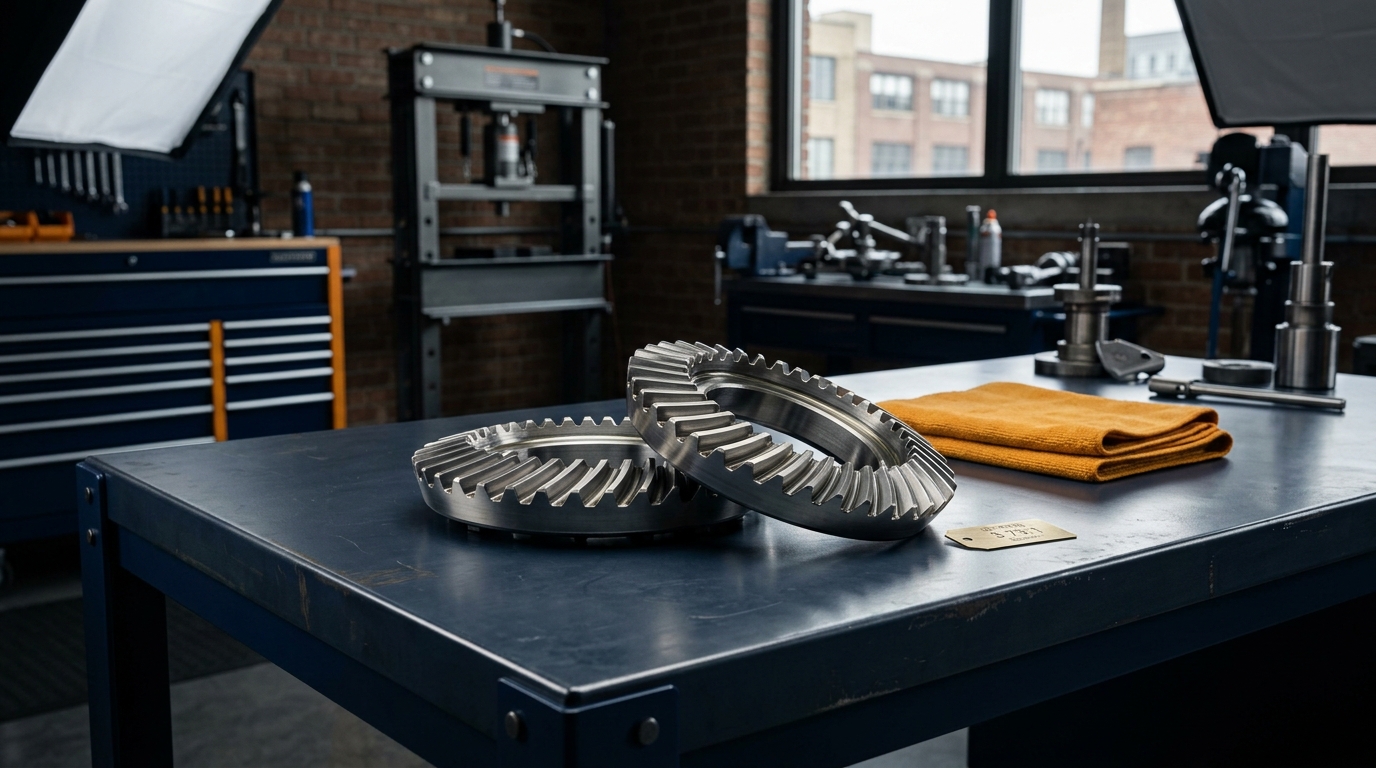
In rare cases, a locked-up or failed torque converter prevents reverse engagement. If the vehicle also has symptoms in forward gears (shudder, slipping), the torque converter is more likely to be involved.
Can You Drive Without Reverse?
Technically the vehicle moves in forward gears, but driving without reverse is extremely inconvenient and potentially unsafe. Parking situations that require backing up become impossible. More importantly, no-reverse is a sign of internal failure that may worsen - the same failure mechanism that lost reverse is stressing remaining components in forward gears.
Chicago Repair Costs for No Reverse
- Fluid level correction (if low fluid is cause): fluid change + identify the leak
- Solenoid or valve body repair: quoted after diagnosis, access check, and parts availability.
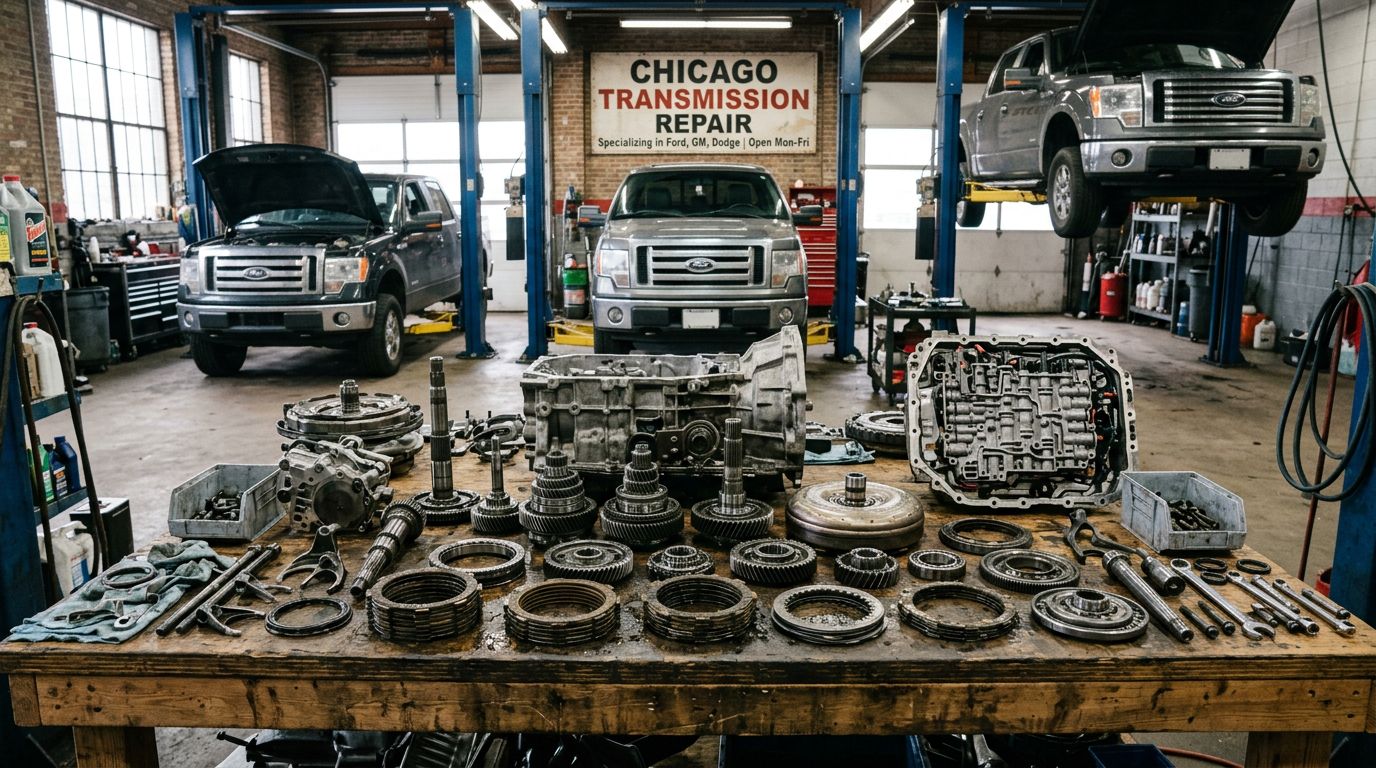
- Reverse clutch pack replacement: Requires full transmission removal and teardown - typically - since other clutch packs are usually inspected at the same time
- Reverse band adjustment or replacement: on transmissions that use bands
The honest reality: isolated reverse clutch replacement without full rebuild is rarely cost-effective. Once the transmission is apart, inspecting and replacing all wear items adds relatively little to the total cost and prevents premature failure of other clutch packs.
Diagnostic appointment at Chicago Transmission, shop options near Southwest Chicago. Call (312) 626-8759 - Mon-Fri 8:00 AM-5:30 PM | Sat 8:00 AM-1:00 PM | Sun Closed.