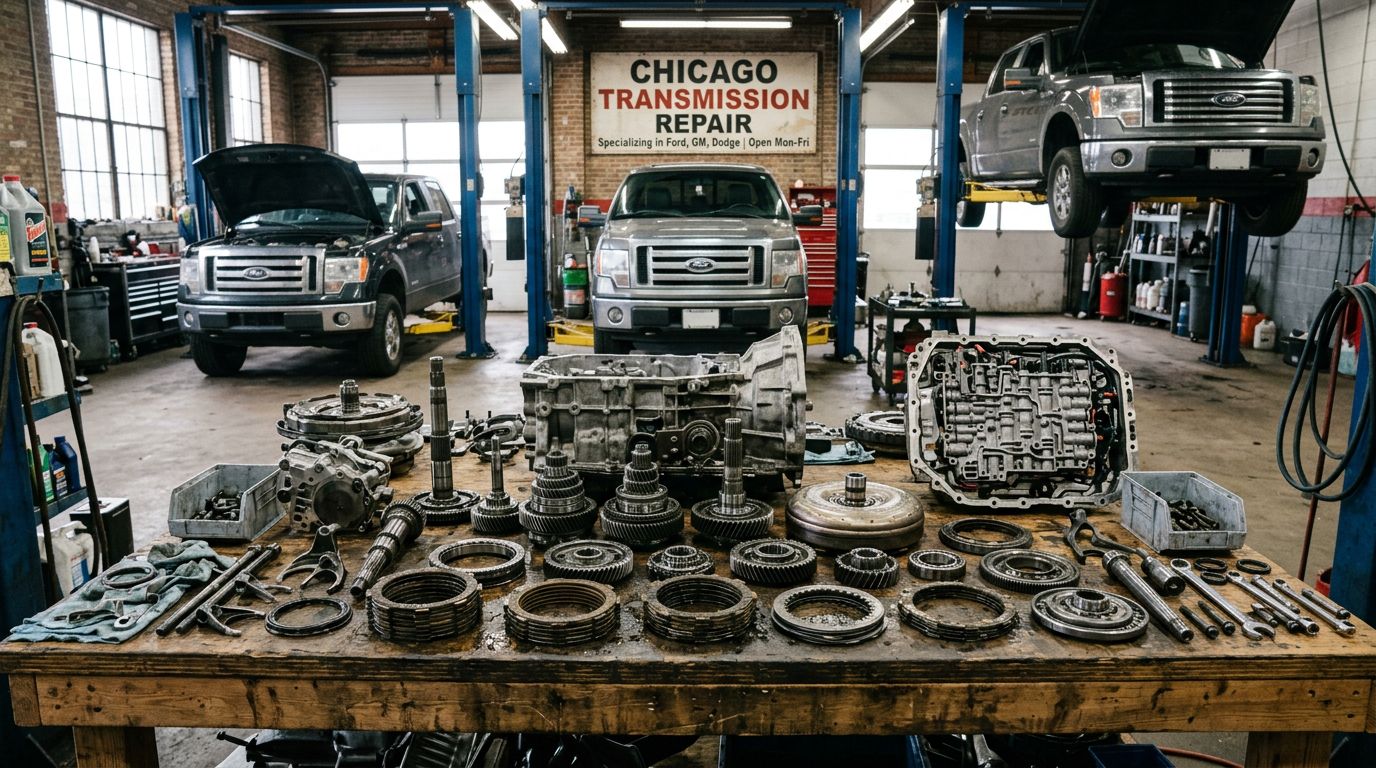
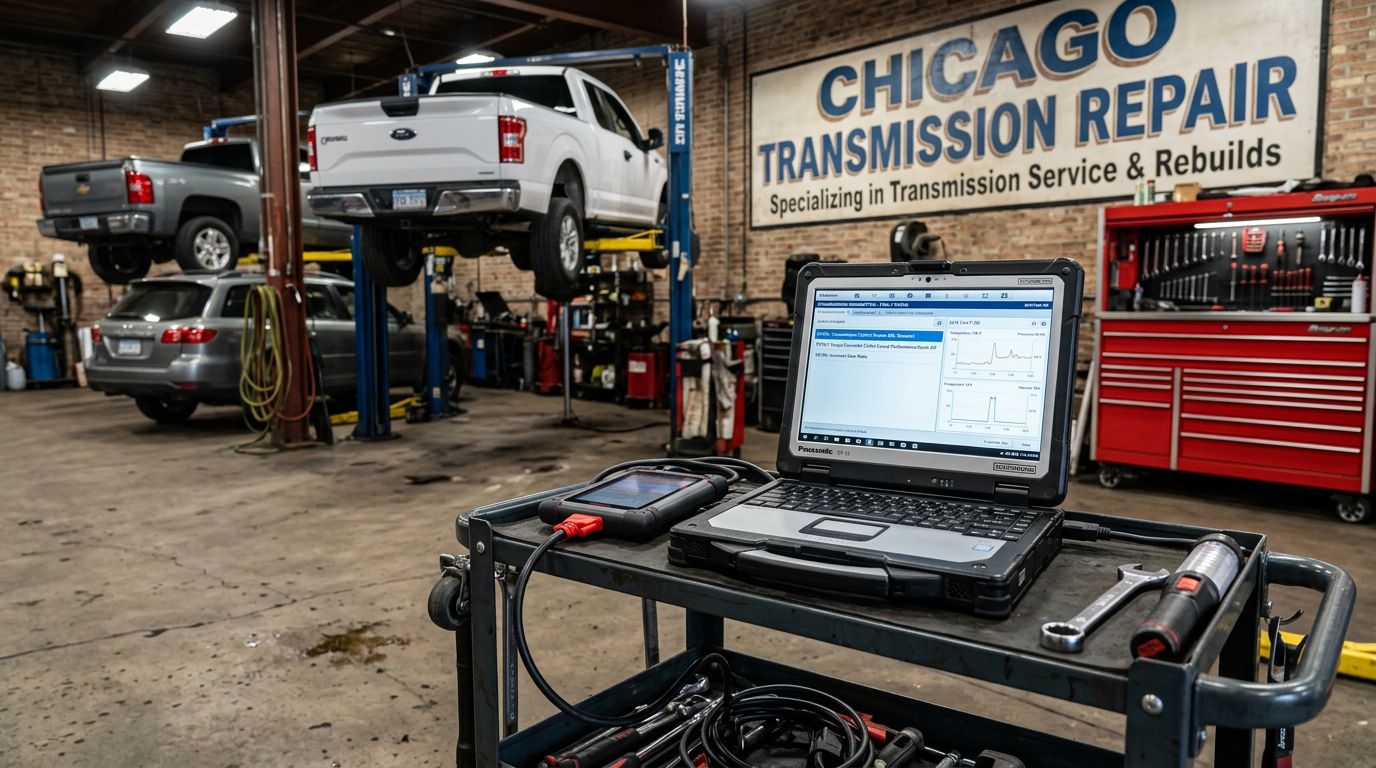
An automatic transmission that shifts with a jolt, clunk, or noticeable bang instead of smoothly is telling you something specific. Hard or rough shifts are almost always traceable to a specific component or condition - and many cases are solved without a rebuild. Here's how to diagnose the pattern.
Is It Hard All the Time or Only Sometimes?
When a shift is hard matters for diagnosis:
- Hard only when cold (first 5 - 10 minutes of driving): Usually fluid viscosity or adaptive shift table issue - often solved with a fluid change
- Hard only under hard acceleration: Pressure regulation issue - solenoid, valve body, or line pressure
- Hard on a specific gear only (e.g. only 2-3 shift): Solenoid or clutch pack specific to that gear
- Hard all the time, getting worse: Mechanical wear - clutch packs, valve body, pump
Common Causes of Hard Shifting
Degraded or Wrong Transmission Fluid
Old ATF loses its friction modifiers and viscosity improvers, causing clutch engagement that's too abrupt. This is especially common after 60,000+ miles without a fluid change, and it's one of the cheapest problems to fix. Using a universal or incorrect fluid type produces the same result immediately after a fluid change.
Shift Solenoid Failure
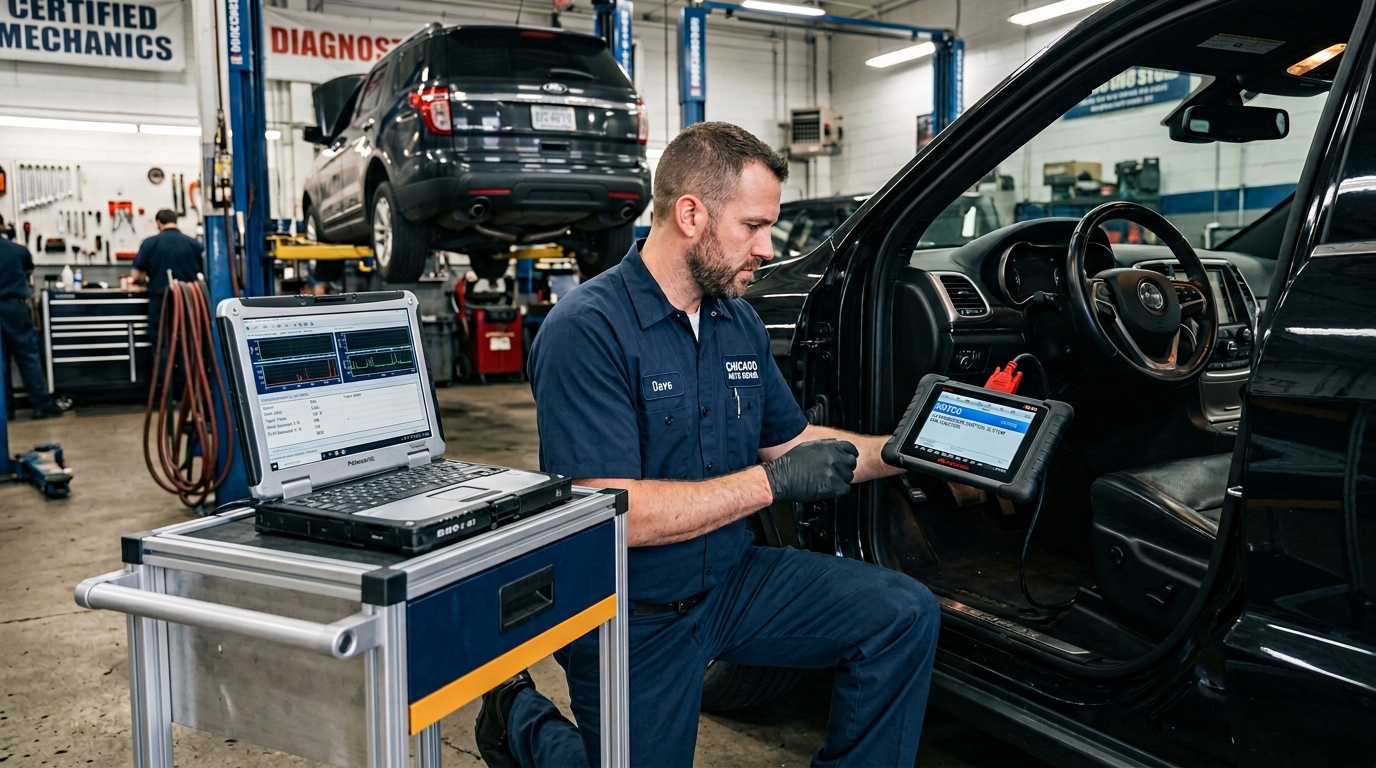
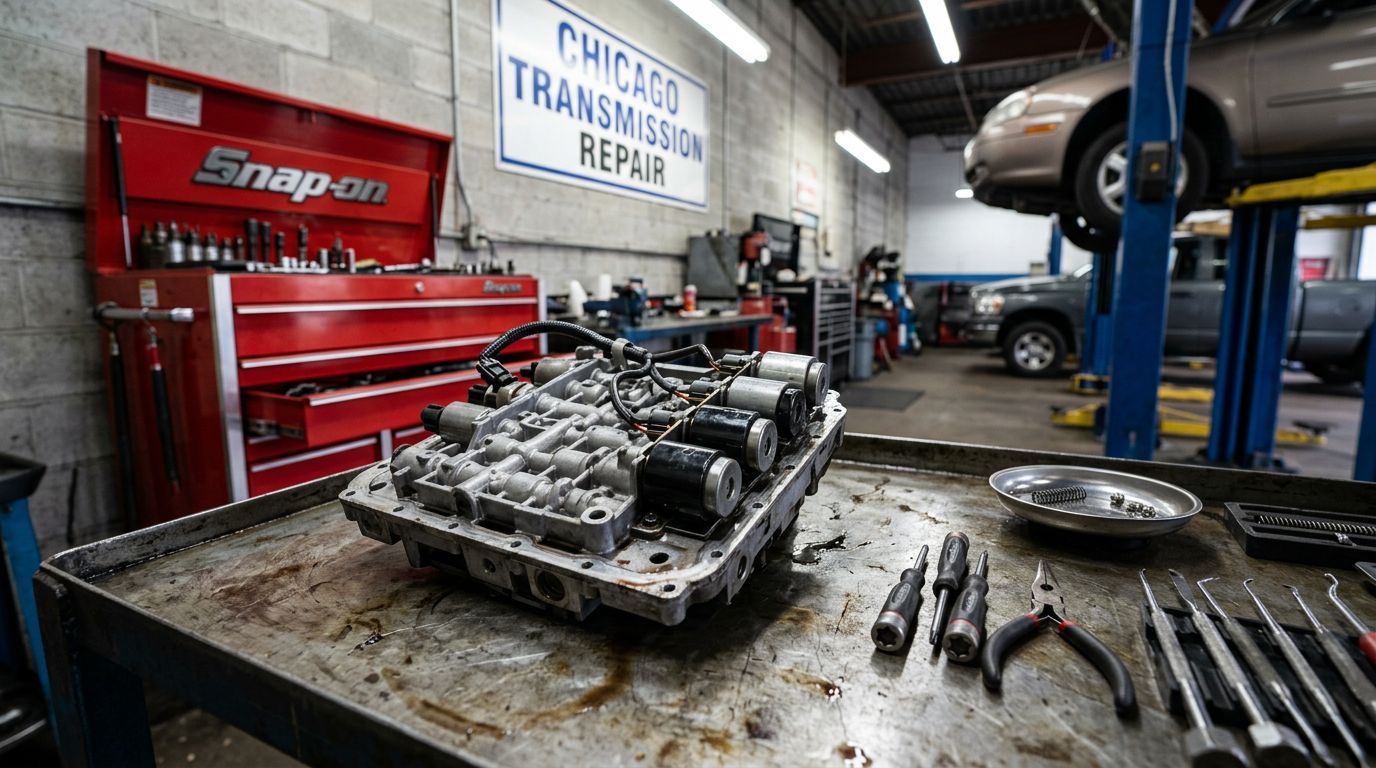
Shift solenoids control which clutch packs engage for each gear. A solenoid that's slow to respond or stuck causes the clutch pack to engage abruptly - producing a jolt. You'll often get a DTC code (P0750 - P0770 range) alongside the symptom. The check engine light may or may not be on depending on whether the TCM has flagged the solenoid's behavior.
Valve Body Issues
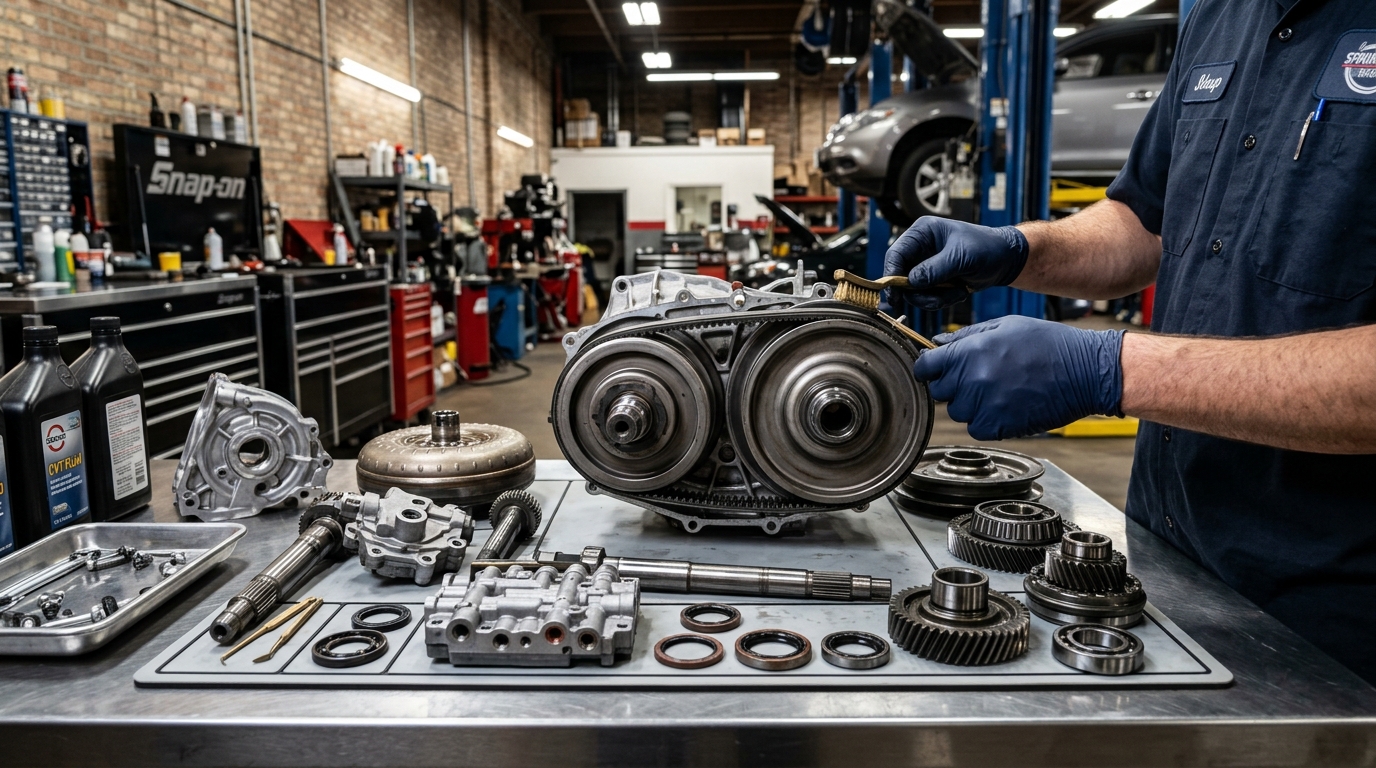
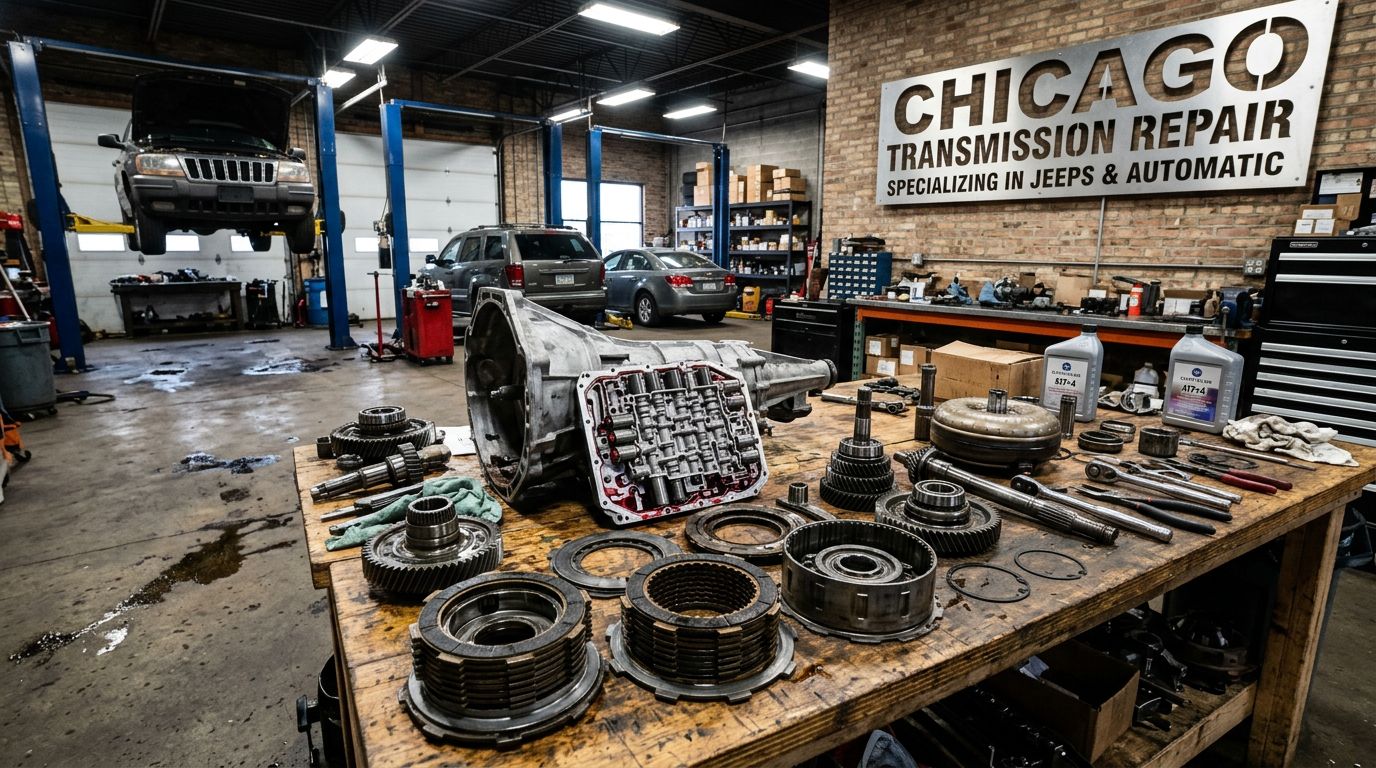
The valve body is the transmission's hydraulic control center - a maze of machined passages and check balls that route fluid pressure to clutches and solenoids. A valve body with worn check ball seats or sticky valves produces inconsistent shift pressure. This can cause some shifts to be perfectly smooth and others to be harsh - an intermittent pattern that's frustrating to diagnose.
Throttle Position Sensor (TPS) or Vehicle Speed Sensor (VSS) Issues
The TCM uses engine throttle position and vehicle speed to calculate shift timing. If the TPS reports incorrect throttle position, the TCM may command a downshift at the wrong moment or apply clutches too aggressively. Hard shifts caused by sensor issues typically have companion engine codes.
Worn Clutch Packs
When clutch friction material is thin, the clutch pack has less engagement range - it goes from disengaged to fully engaged more abruptly. This is a mechanical wear issue that progressively worsens. Eventually, slipping accompanies the hard shifts.
Transmission Control Module (TCM) Issues
Rarely, the TCM itself develops a fault affecting shift timing calibration. More commonly, a TCM software update (available from the dealer or via a scan tool) corrects a calibration issue that causes harsh shifts on specific vehicles.
Chicago Repair Costs
- Transmission fluid exchange: resolves fluid-related hard shifts
- Shift solenoid replacement: quoted per solenoid or as a complete solenoid pack after diagnosis
- Valve body cleaning or replacement: quoted after diagnosis, access check, and parts availability.
- TCM software update/reflash: quoted after diagnosis, access check, and parts availability.
- Clutch pack replacement: Requires teardown - typically part of a full rebuild
Diagnostic appointment at Chicago Transmission - shop options near Southwest Chicago. Call (312) 626-8759, Mon-Fri 8:00 AM-5:30 PM | Sat 8:00 AM-1:00 PM | Sun Closed.